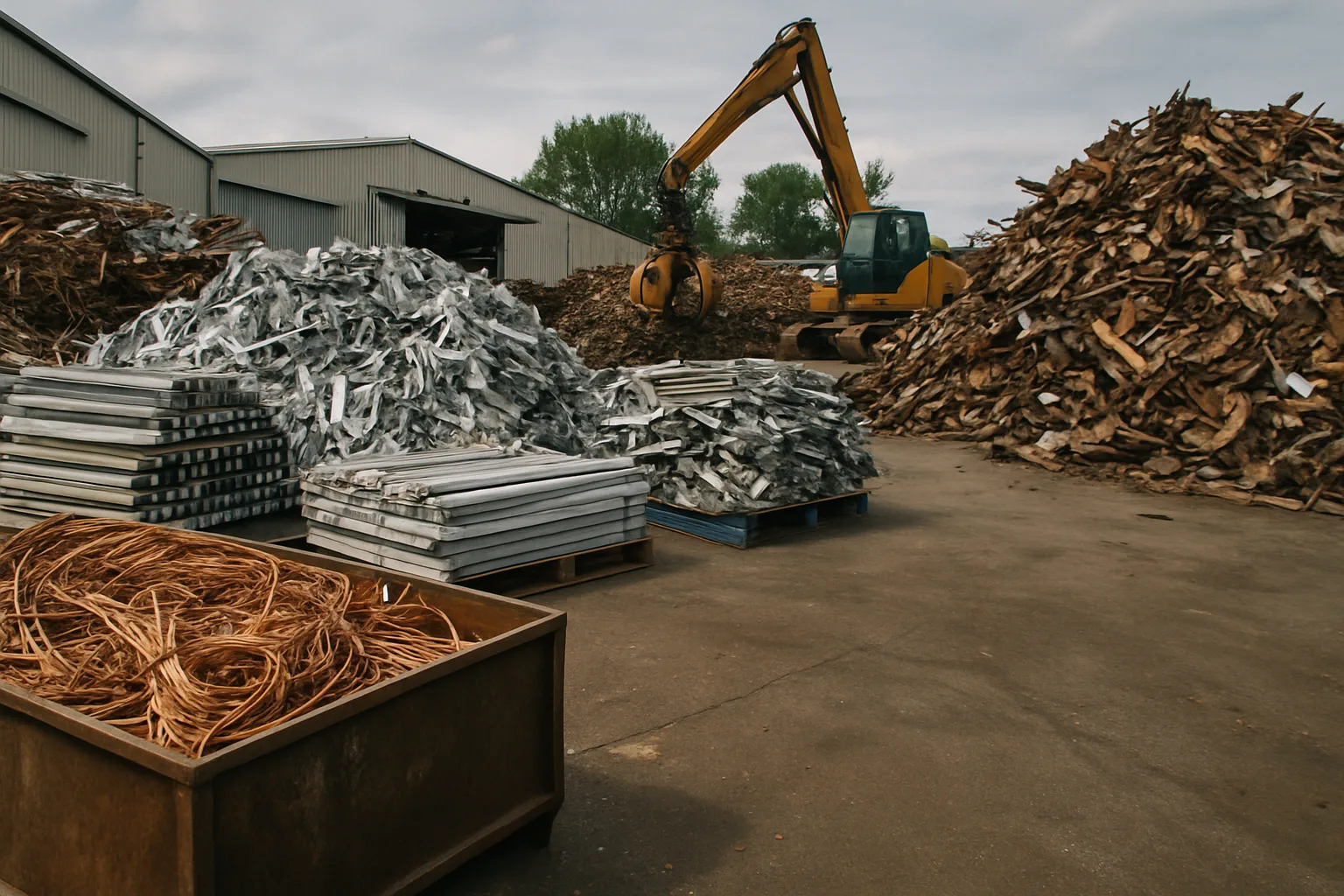
Most people searching for a junkyard near me Raleigh assume all scrap yards work the same way. Drop off your metal, get paid, leave. But that assumption can cost you money — sometimes a lot of it.
Auto recycling yards and general scrap metal yards are two different operations with different buyers, different pricing structures, and different processes. Showing up at the wrong one with a transmission or a catalytic converter could mean leaving hundreds of dollars on the table. Here's what you need to know before you load up the truck.
What Is an Auto Recycling Yard — and How Is It Different?
An auto recycling yard, sometimes called an auto salvage yard, focuses specifically on end-of-life vehicles and their components. They buy whole cars, pull usable parts for resale, and then process what's left as scrap. The business model is built around parts first, scrap second.
General scrap metal yards take a broader approach. They buy ferrous metals (iron, steel), non-ferrous metals (copper, aluminum, brass), and sometimes electronics and appliances — but they're not set up to handle vehicles the same way. They'll buy a crushed car body by the ton. They won't typically pull a working alternator and price it separately.
The key difference comes down to value extraction:
- Auto recycling yards pay for the whole vehicle and recover value through part sales plus scrap weight.
- General scrap yards pay by weight based on current scrap metal prices — no credit for working parts.
- Specialty buyers (catalytic converter dealers, core buyers) focus on specific high-value components only.
Knowing which type of yard fits your situation is the difference between a fair deal and a frustrating one.
Auto Salvage Yards: What They Buy and How They Price It
Auto recycling yards want vehicles with salvageable components. Running or not, a vehicle that still has its engine, transmission, doors, interior trim, and working electronics is worth more to them than a stripped hulk. That's because their revenue comes from reselling those parts — often at significant markup over scrap value alone.
When you bring a vehicle to an auto salvage yard in Raleigh, they typically assess it based on:
- Year, make, and model (demand for parts varies significantly)
- Mileage and overall condition
- Whether the engine and drivetrain are intact
- Whether catalytic converters, batteries, and wheels are still on the vehicle
- Current scrap metal prices for what's left after parts are pulled
A 2016 Ford F-150 with a seized engine is still worth real money to an auto recycler — the doors, tailgate, cab corners, sensors, and interior pieces all have aftermarket demand. A general scrap yard would weigh that same truck and pay you the going rate per ton for shredder-grade steel. The difference in payout can be substantial.
If your vehicle has cats still attached, don't overlook that detail. Catalytic converters contain platinum group metals and are priced separately from the rest of the vehicle. Platforms like find the best price for your scrap on SMASH allow sellers to document and list cats competitively — so you're not guessing what they're worth.
General Scrap Metal Yards: What They're Built For
General scrap yards are the backbone of metal recycling. They process everything from appliances and structural steel to copper wire, aluminum extrusion, and cast iron. If you're cleaning out a job site, a shop, or a warehouse, a general scrap yard is likely your first call.
In North Carolina, general scrap yards serve a mix of residential customers and commercial accounts — contractors, manufacturers, HVAC companies, and demolition crews all use them regularly. They're built for volume and variety, not for the nuance of automotive parts pricing.
Here's where general scrap yards perform best:
- Large volumes of ferrous steel or iron
- Non-ferrous loads: copper, aluminum, brass, stainless
- Stripped vehicle bodies (post-part-pull)
- Appliances, HVAC units, and electrical components
- Industrial scrap and manufacturing offcuts
Where they fall short is when you bring in a vehicle with parts still intact and get paid the same flat rate per ton regardless. You want the right buyer for what you're actually selling. To find a scrap yard near you that matches your material type, checking a reliable directory first saves a wasted trip.
Scrap Metal Prices Today: Why the Type of Yard Matters for Your Payout
Scrap metal prices fluctuate constantly — driven by global steel demand, copper markets, and domestic recycling volumes. The current price environment in 2026 continues to show volatility, particularly in non-ferrous metals. What you get paid depends on three things: what you're selling, where you sell it, and how the yard prices it.
At a general scrap yard, pricing is typically posted by category:
- Shredder steel (per ton)
- #1 copper (per pound)
- Clean aluminum (per pound)
- Cast iron (per ton)
Auto recycling yards don't necessarily post their vehicle buy prices the same way. They negotiate based on the factors above — vehicle condition, parts demand, and scrap value at the time of transaction. This makes comparison shopping harder unless you're talking to multiple buyers.
That's exactly where competition matters. When a seller has multiple buyers evaluating the same load or vehicle, the price reflects actual market demand instead of what one yard decides to offer. SMASH is built on that principle — documented inventory, vetted buyers, competitive bidding. More buyers means better price discovery. It's that simple.
If you're managing a larger operation — multiple vehicles, cores, or non-ferrous loads — using a platform to run competition on your material is a smarter move than calling one buyer and hoping for the best. You can read scrap yard guides and tips to understand more about how pricing works before you sell.
Disclaimer: Scrap metal prices fluctuate daily based on market conditions. Always check current rates before selling.
How to Choose the Right Yard for Your Situation in Raleigh
Raleigh's growth over the past decade has brought more construction activity, more fleet turnover, and more vehicles cycling out of use. That means there's real demand for both auto recycling and general scrap services in the area. Knowing which door to walk through makes a meaningful difference in what you take home.
Use this as a quick decision guide:
- Selling a whole vehicle with parts intact? Start with an auto recycling yard. Ask whether they do VIN lookup and what they pay for cats separately.
- Selling a stripped vehicle body or bulk steel? A general scrap yard is the right call — get paid by weight.
- Selling catalytic converters separately? Use a specialty buyer or a platform that creates competition between buyers.
- Selling mixed non-ferrous material? General scrap yard, sorted by grade for the best per-pound return.
- Managing a fleet or large volume? Consider listing through SMASH to put your material in front of multiple vetted buyers at once.
For individuals doing this for the first time, the Raleigh scrap metal services page is a useful starting point — it shows local options and helps you understand what's available in your area.
One more thing: always bring documentation. A valid ID, title for vehicles, and any available records on what you're selling builds trust with buyers and, in many states, is legally required. North Carolina has metal theft prevention regulations that scrap yards are required to follow — expect to show ID and have your transaction recorded.
Weekly Roundup: What to Watch in the Scrap Market Right Now
As of early August 2026, the scrap market is moving. Steel demand from domestic manufacturing and infrastructure work continues to support ferrous prices, though short-term fluctuations remain common. Non-ferrous metals — particularly copper and aluminum — are sensitive to energy costs and global supply chain shifts.
For auto recyclers and yard operators, the current environment rewards sellers who create competition rather than accepting the first offer. Specialty components like catalytic converters and aluminum cores remain in demand, but pricing gaps between buyers can be significant. A yard in Raleigh selling a batch of late-model cats could see meaningful price variation depending on who's buying that week.
Key things to watch this week:
- Copper pricing — any movement in energy infrastructure spending affects demand
- Shredder steel margins — watch for mill buying activity
- Catalytic converter market — platinum group metal prices remain a direct driver
- Regional yard capacity — busy construction seasons can affect how quickly yards move material
If you're sitting on a load and unsure about timing, locate the closest scrap yard and get a few quotes. Don't assume your regular buyer's number is the market. Competition reveals what your material is actually worth.
Whether you're selling one car or running a recycling operation, the right yard and the right process matter. Start by knowing what you have, then find the buyer built for it. You can do both at scrap-yard-near-me.com — the straightforward way to find a scrap yard near you that fits your material and your market.
Frequently Asked Questions
Q: What's the difference between a junkyard and an auto salvage yard near Raleigh?
In practice, the terms are often used interchangeably — both refer to facilities that buy end-of-life vehicles. However, a true auto salvage yard actively pulls and resells usable parts, while some junkyards primarily crush vehicles for scrap weight. If you want the most money for a vehicle with intact parts, look for an auto recycler that inventories parts before scrapping.
Q: Do I need a title to sell a car to a junkyard near me in Raleigh?
Most yards in North Carolina require a valid title to purchase a vehicle. This is tied to state regulations around metal theft prevention and vehicle ownership verification. If you've lost the title, contact the NC DMV about a replacement before showing up at the yard — it saves time and avoids the sale falling through.
Q: How are scrap metal prices today determined at local yards?
Scrap metal prices are set based on current commodity markets — primarily the London Metal Exchange for non-ferrous metals and regional steel indices for ferrous material. Individual yards adjust their buy prices based on those benchmarks, their own processing costs, and local supply and demand. Prices can change daily, so always call ahead or check online before making the trip.
Q: Can I sell just the catalytic converter from my car, or does the whole vehicle need to go?
You can sell a catalytic converter separately — many specialty buyers and platforms focus specifically on cats and cores. However, be prepared to provide documentation proving legal ownership, as North Carolina (like most states) has regulations requiring proof of ownership for catalytic converter sales. Platforms like SMASH allow documented cat listings to reach multiple vetted buyers, which supports better price discovery than a single buyer quote.
Q: What non-ferrous metals get the best prices at scrap yards in Raleigh?
Copper consistently commands the highest per-pound prices among common non-ferrous metals, followed by brass and aluminum. The grade matters significantly — bare bright copper wire pays more than insulated wire, and clean sheet aluminum pays more than painted or mixed aluminum. Sorting your material before arriving at the yard almost always improves your payout.
Stay current on scrap metal market shifts and industry insights by following SMASH on LinkedIn — useful weekly updates for anyone moving metal.