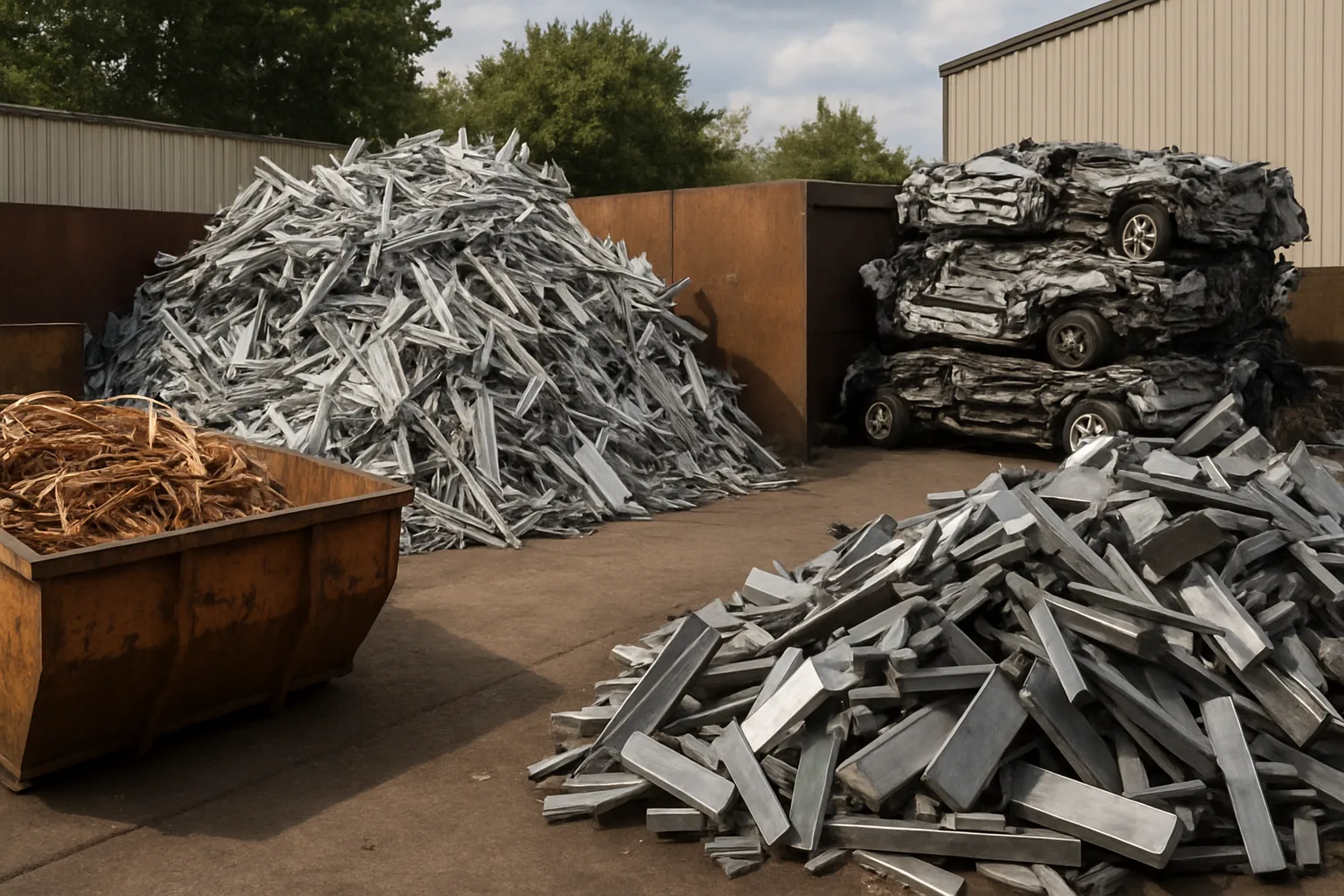
Auto Recycling Yards vs. General Scrap Metal Yards: What's the Difference and Why It Matters
Most people treat "junkyard," "scrap yard," and "auto recycler" as interchangeable. They're not — and making that mistake can cost you money or a wasted trip. If you're hauling a dead Silverado versus a load of copper pipe, you need to know exactly where to go before you load the trailer.
In Flint, Michigan, this distinction matters more than most places. The region has a deep manufacturing and automotive history, which means both types of facilities exist in the area — but they serve very different purposes. Understanding the difference helps you get paid faster, avoid rejection at the gate, and stop leaving money on the table.
Whether you're a first-timer or a yard regular, this breakdown tells you everything you need to know about auto recycling yards versus general find a scrap yard near you operations — and how to pick the right one.
What Is a General Scrap Metal Yard?
A general scrap metal yard buys and processes raw metals. Think ferrous (steel, iron) and non-ferrous (copper, aluminum, brass, stainless). These yards deal in volume. They're buying by the pound — sometimes by the ton — and they're set up to weigh, sort, and process material fast.
Walk into a general scrap yard with a truckload of sheet steel, a pile of stripped copper wire, or aluminum extrusion, and you'll get an offer based on current commodity prices. No title required. No VIN lookup. No concern about what the material used to be — only what it is now.
Common materials accepted at general scrap yards include:
- Ferrous metals: structural steel, rebar, cast iron, sheet metal, appliances
- Non-ferrous metals: copper, aluminum, brass, zinc, lead
- Insulated wire and cable
- Mixed loads — often accepted but priced lower due to sorting required
General yards are high-throughput operations. Tickets get cut, BOLs get issued, and loads move fast. They're not in the business of pulling a usable alternator off a 2019 F-150 — that's not what they're built for. They want metal by the pound, period.
What Makes Auto Recycling Yards Different
An auto recycling yard — sometimes called a junkyard, salvage yard, or auto dismantler — starts with a whole vehicle and works backward. The business model isn't built around weight. It's built around usable parts, fluids, and what's left after dismantling gets sold as scrap.
When a car comes through the gate, a good auto recycler catalogs it. They document the VIN, run checks on the vehicle, and identify which parts have resale value. Catalytic converters (cats), engines, transmissions, doors, bumpers, electronic modules — everything worth pulling gets pulled first. What remains gets crushed and sold to a downstream processor or shredder.
This process involves a layer of compliance that general scrap yards don't deal with to the same degree:
- Title requirements: Most states, including Michigan, require a clear title to sell a vehicle to a licensed auto recycler
- Fluid draining: Gas, oil, coolant, brake fluid, and refrigerant must be removed before crushing — this is regulated
- Airbag disposal: Undeployed airbags are classified as hazardous materials and require specific handling
- Catalytic converter documentation: Due to ongoing theft concerns, serial tracking and photo documentation of cats is increasingly required under state law
- Battery handling: Lithium-ion packs from hybrids and EVs need specialized processing — a growing issue as EV adoption increases through 2026
If you're searching "junkyard near me for cars," you want an auto recycler — not a general scrap yard. Showing up with a full vehicle at a general metal yard will likely get you turned away or offered a fraction of what an auto recycler would pay.
How Pricing Works — and Why It's Different at Each Type of Yard
Pricing at a general scrap yard is commodity-driven. The yard pays you based on metal type, weight, and current market rates. Prices fluctuate daily based on global demand, and no two days are identical. A load of #1 copper that pays one rate on Monday might pay differently by Friday.
At an auto recycling yard, pricing is more complex. The yard is buying a vehicle for its parts value, not just its metal weight. A running engine or a low-mileage transmission can be worth far more than what that iron would fetch at a shredder. This means auto recyclers sometimes pay a premium for the right vehicles — and less for stripped or flood-damaged ones with no usable parts.
Here's where sellers lose money: they don't understand which type of facility to use based on what they have. A car with a working engine and intact cats should go to an auto recycler first. A car that's already stripped — no cats, no drivetrain — might net you more at a general yard that just wants the steel. Know your material before you make the call.
Platforms like smashscrap.com are changing how buyers and sellers connect in this space. Instead of cold-calling a single buyer and guessing your price, SMASH puts vetted buyers in competition for your load. More buyers means better price discovery — whether you're moving non-ferrous material or bulk scrap coming off an auto dismantling operation.
Regulations Shaping Both Industries in Michigan in 2026
Both general scrap yards and auto recyclers operate under a growing layer of regulation — and Michigan is no exception. If you're searching for a scrap metal yard Flint or a local scrap yard Flint, here's what you should know before you walk through the gate.
Michigan has maintained strict regulations around scrap metal dealer licensing, purchase records, and ID requirements for sellers since the state's Metal Dealers Act was strengthened in prior years. As of 2026, those requirements remain firmly in place:
- Valid government-issued photo ID is required to sell scrap at most licensed yards
- Yards must record transactions, including material type, weight, and seller information
- Catalytic converter sales require documentation of source — personal vehicle, business fleet, etc.
- Auto recyclers must hold a vehicle dealer or recycler license issued by the state
- Salvage titles must be issued and tracked for vehicles processed through licensed dismantlers
These regulations exist to reduce theft and protect legitimate sellers. If a yard isn't asking for ID or documentation, that's a red flag — not a convenience. Legitimate operations follow the rules, and selling to them protects you too.
Flint has seen infrastructure investment tied to its industrial base in recent years, and the local recycling sector continues to serve both residential sellers and commercial accounts. Michigan's auto legacy means the area has a higher-than-average concentration of both types of facilities.
How to Choose the Right Yard for What You Have
The decision tree is simpler than it looks. Start with what you're selling, and the right type of yard becomes obvious.
Go to an auto recycling yard if you have:
- A complete vehicle — running or not
- A vehicle with intact cats, engine, or transmission
- A car with a clean title you're ready to sign over
- A fleet of end-of-life vehicles
Go to a general scrap metal yard if you have:
- Loose non-ferrous metals — copper, aluminum, brass
- Ferrous bulk material — structural steel, cast iron, sheet metal
- A fully stripped vehicle body (no engine, no cats, minimal value as parts)
- Industrial scrap from a job site or demolition project
Some yards do both. They accept vehicles and loose metal. But even hybrid operations run separate lines for each — pricing, documentation, and processing are handled differently. Always call ahead and confirm what they accept and what documentation they need before you make the drive.
When you're ready, locate the closest scrap yard to you quickly — no guesswork, no wasted trips. For deeper tips on navigating the scrap industry, read scrap yard guides and tips that walk you through the process start to finish.
Making the Most of Your Scrap — Tips for Sellers in Flint and Beyond
Whether you're a homeowner cleaning out a garage or a small business moving scrap regularly, a few habits will consistently get you better outcomes at any yard.
Separate your materials before you arrive. Mixed loads always pay less. A bin of copper mixed with aluminum will be priced at the lower rate — or rejected and sorted at your expense. Take the time to separate ferrous from non-ferrous, and group by metal type where possible.
Document what you're bringing. For vehicles especially, have the title ready. For cats or high-value non-ferrous material, know where it came from and be ready to explain it. Photo documentation of loads — something SMASH has built into its platform — also gives buyers more confidence in what they're bidding on.
Don't accept the first price without context. Prices fluctuate. The rate a yard offers today may differ from yesterday, and it definitely differs from another yard across town. Getting a second opinion or using a competitive auction format through a platform like SMASH puts the market to work for you instead of against you.
Check hours before you go. If you're looking for a scrap yard open today near me, confirm hours directly — holidays, reduced staffing, and processing backlogs can affect availability, especially at smaller operations.
Flint's industrial roots mean sellers here often have access to a wider range of facility types than in smaller markets. Use that to your advantage. Know what you have, know where it belongs, and make the call before you load the truck.
If you're ready to move material and want to make sure you're getting competitive pricing, check out what SMASH offers at smashscrap.com. No subscription fees. We only win when you win.
The best starting point? Find a scrap yard near you that matches what you're selling — and stop leaving money on the table by walking through the wrong gate.
Frequently Asked Questions
Q: What's the difference between a junkyard and a scrap metal yard in Flint?
A junkyard (or auto recycler) accepts whole vehicles and sells usable parts before scrapping what's left. A scrap metal yard buys metals by weight — copper, steel, aluminum, and similar materials. In Flint, both types of facilities exist, but they serve different purposes. Bring the right material to the right place to avoid rejection and maximize your payout.
Q: Do I need a title to sell a car to a scrap yard in Michigan?
Yes. Michigan requires a valid title to sell a vehicle to a licensed auto recycler or salvage yard. Without it, most legitimate yards will not complete the transaction. If you've lost the title, you can apply for a duplicate through the Michigan Secretary of State's office before making the trip.
Q: Can I sell catalytic converters at a general scrap metal yard in Flint?
Many general scrap metal yards do accept catalytic converters, but documentation is required under Michigan law. You'll need to show valid ID and provide information about where the converter came from — your own vehicle, a business fleet, etc. Serial tracking and photo documentation are increasingly standard. Yards that skip this process are not operating in compliance.
Q: How do I find a scrap yard open today near me in the Flint area?
The fastest way is to check the facility's website or call ahead — hours change around holidays and during peak processing periods. You can also use scrap-yard-near-me.com to locate nearby facilities and check availability. Don't assume a yard is open just because it was last time you went.
Q: Is it worth separating my scrap before going to the yard?
Absolutely. Mixed loads are priced at the lowest common denominator — or sorted at a fee before you get paid. Separating ferrous from non-ferrous, and grouping metals by type (copper from aluminum, for example), consistently results in a better payout. It takes extra time upfront but pays off at the scale.
Stay current on scrap metal market trends and industry updates by following SMASH on LinkedIn: Scrap Metal Auction Sales Hub.