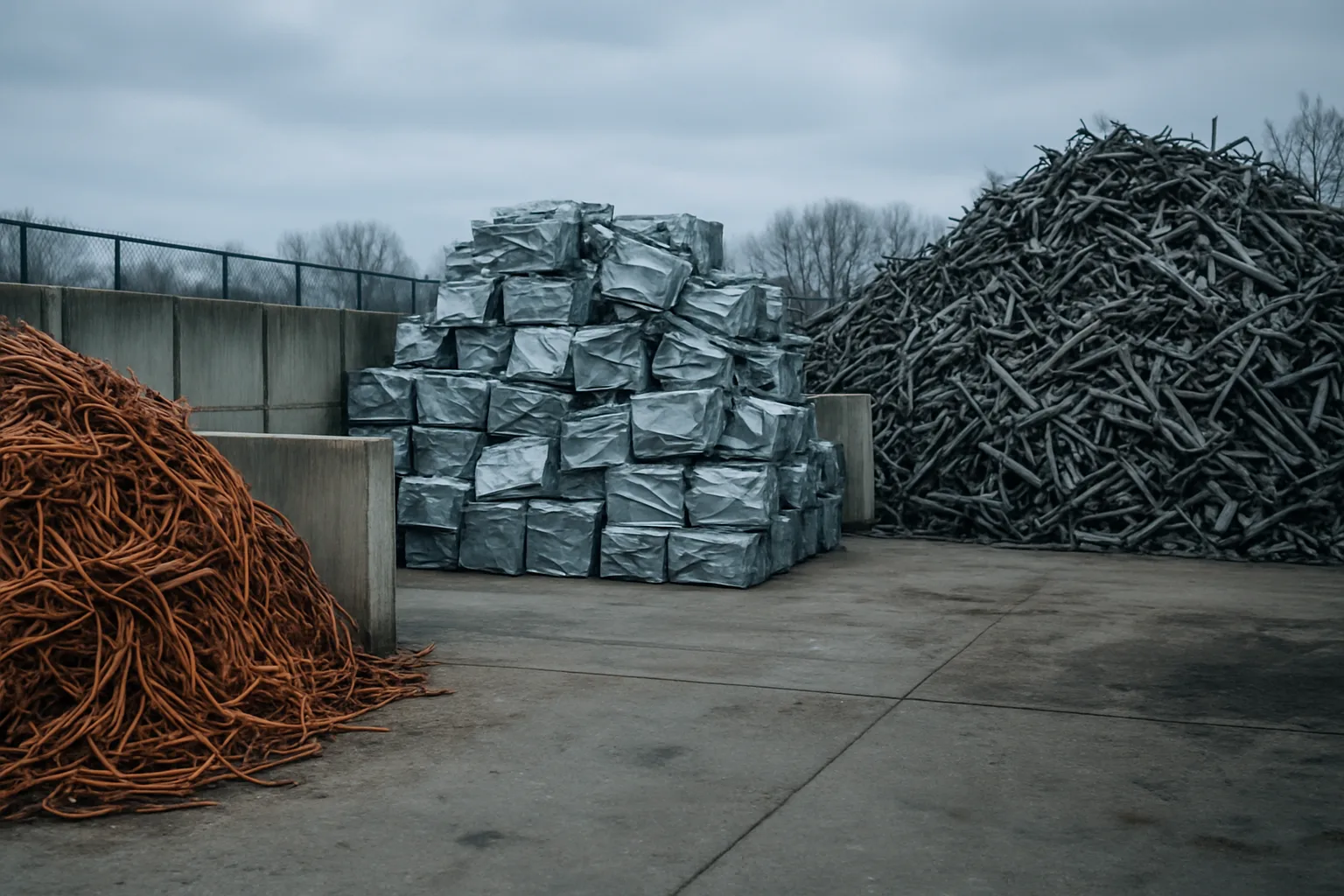
Most people show up at a scrap yard with a truckload of mixed metal and assume someone behind the counter just... figures it out. The reality is more sophisticated than that. Modern scrap yards run a multi-step sorting and processing system that directly determines what you get paid — and understanding it puts more money in your pocket.
If you're hunting for a scrap metal buyer near me Philadelphia, knowing how yards actually work gives you a real edge. You'll know what to separate before you arrive, which materials command premium pricing, and why a mixed load always pays less than a sorted one. Let's break it down.
Why Metal Sorting Matters — for Yards and for You
Scrap yards aren't just collection points. They're the first link in a supply chain that feeds steel mills, copper refiners, and aluminum smelters across North America. Every downstream processor needs consistent, spec-grade material. That means the yard has to know exactly what it's buying before it can price it, move it, or sell it forward.
When you show up with unsorted metal — copper wire tangled with steel brackets, aluminum rims mixed with cast iron — the yard prices the whole load at the lowest-value material in the pile. That's not them being difficult. That's how the economics work. Sorting before you arrive is one of the fastest ways to improve what you walk away with.
In a city like Philadelphia, where industrial activity, construction demo, and auto salvage generate serious metal volume, the yards processing that material run tight, efficient operations. Pennsylvania's scrap infrastructure is built for scale. Understanding the system helps you work with it, not against it.
How Scrap Yards Identify and Classify Incoming Metal
The first step when a load hits the scale is identification. Experienced yard operators use a combination of visual inspection, magnet testing, and handheld XRF (X-ray fluorescence) analyzers to determine what they're looking at. XRF guns are now standard at most mid-to-large yards — they can identify alloy composition in seconds without destroying the material.
Here's the basic identification process most yards follow:
- Magnet test: Ferrous metals (iron and steel) are magnetic. Non-ferrous metals (copper, aluminum, brass, stainless) are not. This is the first cut.
- Visual ID: Color, texture, and form help distinguish copper from brass, #1 from #2 wire, sheet aluminum from cast aluminum.
- XRF analysis: For high-value non-ferrous or mystery alloys, the analyzer confirms exact composition.
- Weight and grade classification: Once identified, material is graded against industry standards (ISRI specs) and assigned a category that matches what buyers expect.
Getting this step right matters enormously. A yard that misclassifies your #1 bare bright copper wire as #2 wire is leaving money on the table — yours, not theirs. That's one reason documented, sorted loads consistently yield better results than mystery bins.
The Big Split: Ferrous vs. Non-Ferrous Processing
Once material is identified, it moves into two completely separate processing streams. Ferrous and non-ferrous metals are handled differently, priced differently, and sold to different end buyers. Understanding this split is fundamental to getting scrap yard prices Philadelphia that actually reflect your material's value.
Ferrous Metal Processing
Ferrous scrap — steel, iron, and their alloys — makes up the bulk of what most yards handle by weight. Think structural steel, rebar, appliances, auto bodies, and machinery. The processing steps typically include:
- Shredding: Large shredders (some capable of consuming whole vehicles) reduce ferrous material to fist-sized chunks.
- Magnetic separation: Overhead magnets and magnetic drum separators pull ferrous material away from non-ferrous contaminants that came along for the ride.
- Shaking and screening: Screens separate shredded material by size, removing dirt, rubber, glass, and other non-metal waste (called "shredder fluff").
- Baling or bundling: Lighter gauge steel gets baled into dense cubes. Heavier structural steel may be torched or sheared into specified lengths.
Ferrous scrap prices are lower per pound than non-ferrous, but the volume makes it commercially significant. If you're hauling auto bodies or heavy iron from a find a scrap yard near you search, you're feeding this stream.
Non-Ferrous Metal Processing
Non-ferrous metals — copper, aluminum, brass, zinc, lead, nickel, and precious metals — are where the real per-pound value lives. These materials get treated with significantly more care. Processing steps include:
- Hand sorting: Non-ferrous material is often hand-sorted by trained operators who can distinguish copper grades, aluminum alloys, and red metals by appearance and weight.
- Stripping and upgrading: Copper wire with insulation (called "insulated wire" or "ICW") gets run through wire granulators that strip the jacket and separate bare copper from plastic. Cleaner copper = higher grade = better price.
- Eddy current separation: Non-ferrous metals are electrically conductive. Eddy current separators use a spinning magnetic rotor to eject non-ferrous metals from a mixed stream — critical in auto shredder operations for recovering aluminum and copper from the fluff.
- Baling or briquetting: Aluminum cans, aluminum sheet, and other non-ferrous material gets baled into dense blocks that match the spec requirements of smelters and refiners.
If you're selling scrap metal prices today sensitive materials like copper pipe, aluminum extrusion, or brass fittings, this is the processing path your material takes. The cleaner it arrives, the less work the yard has to do — and the more flexibility they have on price.
Specialty Streams: Cats, Cores, and Auto Parts
Beyond the standard ferrous/non-ferrous split, most established yards run dedicated processing for high-value specialty streams. These categories have their own grading systems, their own buyer networks, and often their own staff.
Catalytic Converters (Cats)
Catalytic converters contain platinum group metals (PGMs) — platinum, palladium, and rhodium — which are refined out and sold separately. Yards that buy cats rely on assay data or published price guides, and many now use serial tracking to document each unit. If you're selling cats, document what you have. Yards that operate on transparency pay better than those that guess.
Radiators, Cores, and Heat Exchangers
Copper/brass radiators and aluminum radiators are priced differently and sold to different buyers. Clean copper/brass radiators with no plastic end tanks command higher rates. Auto cores (starters, alternators, AC compressors) follow their own grade schedule. If you're sourcing material from a junkyard near me for auto parts, understanding which cores have value and which don't saves you a trip.
Electronics and E-Scrap
Circuit boards, transformers, and wire harnesses from electronics contain copper, gold, silver, and palladium. Most yards don't process this in-house — they aggregate it and ship to specialized e-scrap refiners. Prices vary widely based on board type and precious metal content.
Platforms like SMASH Scrap — where verified buyers bid on your metal bring competitive bidding to specialty streams like cats and non-ferrous loads, which helps sellers get real market pricing instead of a single yard's best guess.
How Documentation Changes What You Get Paid
This is where most sellers leave money on the table without realizing it. A load with good documentation — photos, weights by grade, VIN numbers on auto parts, serial numbers on cats — gives buyers confidence. Confidence translates into higher bids or better counter-offers.
Think about it from the buyer's side. An undocumented bin of mixed copper wire forces them to assume the worst-case grade. A documented lot with photos showing clean #1 bare bright, separated from insulated wire, with weights by category? That's a load they can price accurately — and bid aggressively on.
If you want to locate the closest scrap yard and maximize what you earn, arrive sorted and documented. Separate your ferrous from non-ferrous. Pull your copper out of your steel pile. Strip what you can. The processing work you do at your end reduces the yard's cost — and good yards price that in.
For sellers in Philadelphia moving regular volume, this discipline adds up fast. Pennsylvania has a strong base of industrial buyers who know what clean, graded material looks like — and they pay for it.
What This Means When You're Ready to Sell in Philadelphia
Philadelphia sits in the middle of a dense industrial corridor. Yards here handle everything from construction demo steel to automotive non-ferrous to specialty metals from manufacturing operations. The competition among buyers — when you access it — is real.
The old approach: call one yard, take their price, load the truck. That single call tells you nothing about what your material is actually worth in the current market. Sell metal scrap yard near me searches return a list of locations, but they don't tell you who's paying best today for your specific grades.
SMASH changes that dynamic. Instead of one call to one buyer, your documented load goes to multiple vetted buyers who compete for it. More competition means better price discovery. That's not a guarantee of a higher price — it's a guarantee that you find out what the market actually thinks your metal is worth. You can read scrap yard guides and tips to sharpen your approach before your next load.
For Philadelphia scrap metal services, knowing how yards process and grade your material is the foundation. The next step is making sure the right buyers actually see what you have.
Ready to put your scrap in front of more buyers? Find the best scrap yard near you and explore your options at scrap-yard-near-me.com — and if you're moving consistent volume, bring that documented load to SMASH and let the market tell you what it's worth.
Frequently Asked Questions
Q: What's the difference between ferrous and non-ferrous scrap, and why does it matter for pricing?
Ferrous scrap contains iron and is magnetic — think steel, cast iron, and most auto bodies. Non-ferrous scrap (copper, aluminum, brass) is non-magnetic and commands significantly higher prices per pound. Knowing which category your material falls into before you arrive at a yard helps you negotiate and avoid being underpriced.
Q: How do scrap yards determine scrap metal prices today for copper and aluminum?
Yards price non-ferrous metals based on commodity markets (COMEX for copper, LME for aluminum), local supply and demand, and the grade of material you bring in. Cleaner, higher-grade material — like #1 bare bright copper versus insulated wire — always prices higher. Prices can shift daily, so checking current rates before you haul is always worth it.
Q: Can I find a scrap metal buyer near me in Philadelphia that accepts mixed loads?
Yes, most yards accept mixed loads, but they'll price the whole load at the lowest-value material present. If you want better scrap yard prices in Philadelphia, take the time to sort your material before arrival — separate copper from steel, pull aluminum out of the iron pile. The extra effort typically pays off at the scale.
Q: Do junkyard near me searches turn up places that buy catalytic converters in Philadelphia?
Many yards in the Philadelphia area buy catalytic converters, but policies vary. Some require photo documentation and serial numbers; others use published price guides. Bring documentation, know your converter's make and model if possible, and call ahead to confirm the yard accepts cats before making the trip.
Q: How does SMASH help sellers get better prices on their scrap metal?
SMASH connects sellers with multiple vetted buyers who compete for documented loads through an auction format. Instead of accepting one yard's single offer, you get market-driven price discovery. There are no subscription fees — SMASH only earns when you do. It works especially well for higher-value non-ferrous loads, specialty materials, and consistent volume sellers.
Follow SMASH on LinkedIn for scrap metal market insights and industry updates: linkedin.com/company/scrap-metal-auction-sales-hub.
Disclaimer: Scrap metal prices fluctuate based on commodity markets, regional demand, and material grade. Always verify current rates directly with your local yard or buyer before hauling a load.