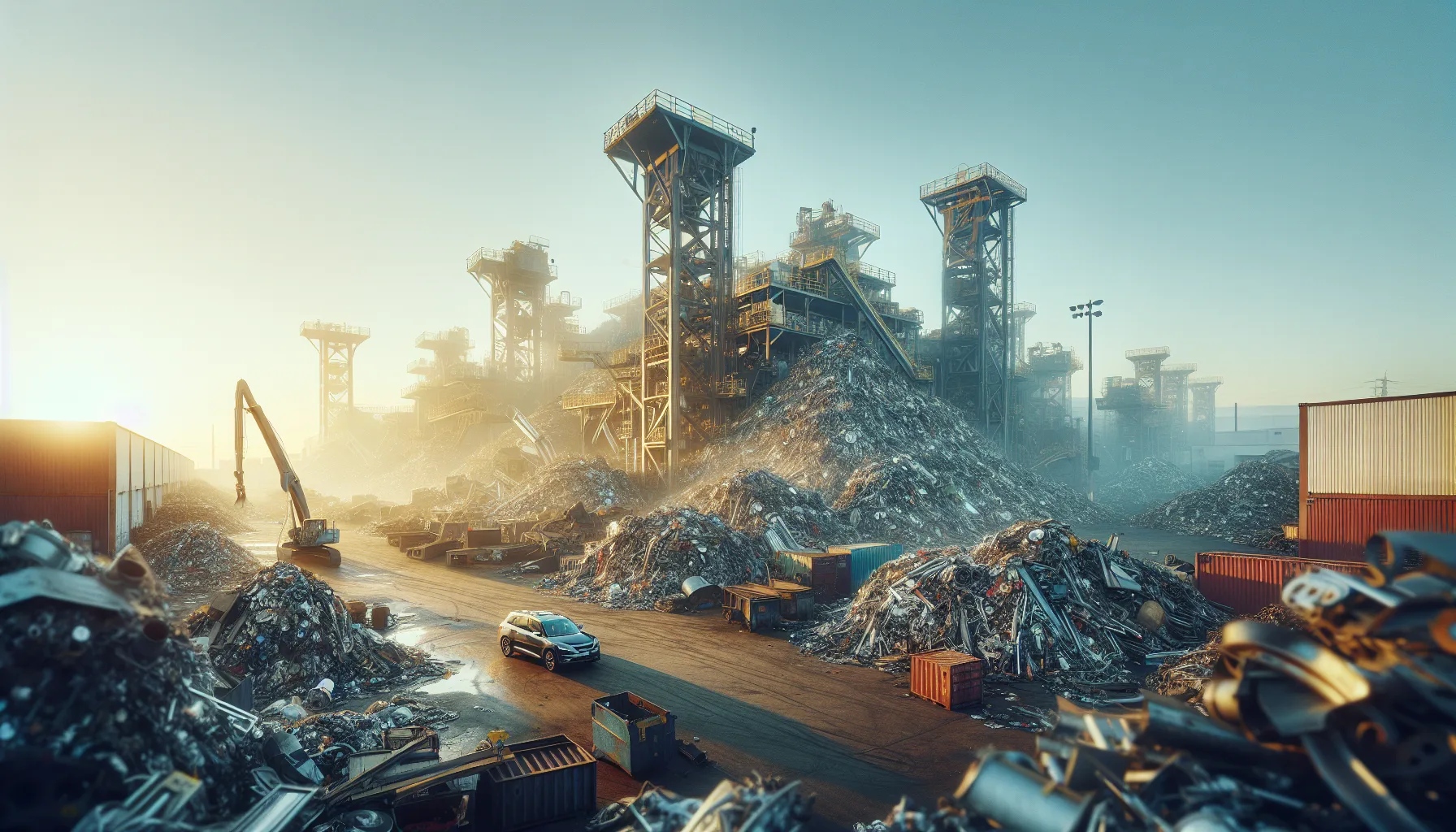
How Scrap Yards Enable Circular Metal Flows
Traditional manufacturing follows a linear path: extract raw materials, create products, use them, then dispose of them in landfills. The circular economy flips this model by keeping materials in productive use for as long as possible. Scrap yards make this possible by creating efficient collection networks that capture metal at the end of its initial lifecycle. When businesses and individuals bring copper wire, aluminum cans, steel beams, or automotive parts to a local scrap yard San Diego, they're participating in a sophisticated recycling ecosystem. These facilities sort, process, and prepare materials for remanufacturing, ensuring that valuable metals return to production cycles rather than becoming waste. The process begins with collection and sorting. Modern scrap yards use advanced technologies including magnetic separators, eddy current separators, and optical sorting systems to efficiently categorize different metal types. This precision ensures maximum value recovery and prepares materials for the next stage of the circular process. Processing comes next, where metals undergo cleaning, shredding, melting, or other preparation methods. A well-equipped facility can handle everything from delicate electronic components to massive industrial equipment, transforming these items into specification-grade raw materials that manufacturers can immediately use in new products.Environmental Impact and Resource Conservation Benefits
The environmental advantages of metal recycling through scrap yards are substantial and measurable. Recycling aluminum uses 95% less energy than producing it from bauxite ore. Steel recycling saves 74% of the energy required for primary production. Copper recycling consumes 85% less energy than mining and refining new copper. These energy savings translate directly into reduced carbon emissions. The steel industry alone prevents approximately 58 million tons of CO2 emissions annually through recycling activities in the United States. When you find a scrap yard near you, you're contributing to these impressive environmental benefits. Water conservation represents another critical benefit. Primary metal production requires enormous amounts of water for mining, ore processing, and refining. Recycled metals dramatically reduce this water demand, helping preserve this precious resource for other essential uses. Mining operations also create significant land disturbance and habitat destruction. By maximizing metal recycling through efficient scrap yard networks, we reduce the pressure for new mining operations, helping protect ecosystems and biodiversity worldwide.Technology Integration and Modern B2B Platforms
Today's scrap metal industry leverages sophisticated technology platforms to optimize the circular economy. Digital marketplaces and auction systems have revolutionized how scrap yards connect with buyers and sellers, creating more efficient markets and better price discovery. The B2B scrap metal marketplace ecosystem has evolved dramatically in 2026, with platforms facilitating millions of dollars in transactions monthly. These systems provide real-time pricing, quality specifications, and logistics coordination that make metal recycling more efficient and profitable for all participants. SMASH has emerged as a leading platform in this space, connecting scrap yards with industrial buyers across North America. The SMASH scrap metal auction system enables facilities to reach broader markets and achieve better pricing for their materials, which incentivizes higher collection rates and more comprehensive recycling programs. Advanced inventory management systems help scrap yards track material flows, optimize processing schedules, and maintain quality standards. These technologies ensure that recycled metals meet strict manufacturing specifications, making them viable substitutes for virgin materials in high-value applications.Economic Value Creation and Local Market Development
Scrap yards generate substantial economic value while supporting the circular economy. They create direct employment in collection, processing, transportation, and administration. Additionally, they support indirect employment in related industries including logistics, equipment manufacturing, and professional services. The pricing dynamics at scrap metal yard near me prices reflect global commodity markets while responding to local supply and demand conditions. In San Diego and throughout California, scrap yards contribute millions of dollars annually to the regional economy while providing competitive pricing for sellers ranging from individual contractors to large industrial operations. Local economic benefits extend beyond direct transactions. Scrap yards reduce waste management costs for municipalities and businesses by diverting materials from landfills. They also support local manufacturing by providing readily available raw materials, reducing transportation costs and supply chain complexity. When you locate the closest scrap yard, you're accessing a network that creates economic value while advancing environmental goals. This dual benefit makes scrap yards essential infrastructure for sustainable economic development.Future Trends and Circular Economy Evolution
The role of scrap yards in the circular economy continues expanding as new technologies and business models emerge. Artificial intelligence and machine learning improve sorting accuracy and processing efficiency. Blockchain technology enhances traceability, allowing manufacturers to verify the sustainability credentials of their raw materials. Urban mining represents an emerging trend where scrap yards focus on recovering metals from infrastructure, buildings, and electronic waste in dense urban areas like San Diego. This approach treats cities as "metal mines" with known quantities of recoverable materials. Extended producer responsibility regulations increasingly require manufacturers to design products for recyclability and take responsibility for end-of-life material recovery. These policies strengthen the role of scrap yards as essential infrastructure in product lifecycle management. Digital platforms will continue evolving, with features like predictive pricing, automated quality assessment, and integrated logistics coordination. Platforms like SMASH are pioneering these innovations, making it easier for businesses to participate in the circular economy while maximizing value recovery from scrap materials. For those looking to participate in this growing sector, you can read scrap yard guides and tips to understand best practices and market opportunities. The circular economy depends on informed participants who understand how to maximize both environmental and economic benefits. Professional-grade platforms like North America's B2B scrap metal auction platform are transforming how the industry operates, creating more transparent and efficient markets that benefit all participants in the circular economy. The circular economy represents the future of sustainable resource management, and scrap yards stand at its center. Whether you're a business looking to responsibly dispose of metal waste or an individual wanting to participate in environmental stewardship, these facilities provide essential services that benefit both the economy and the environment. Find the best scrap yard near you — check locations at scrap-yard-near-me.com.Frequently Asked Questions
Q: How do scrap yards contribute to the circular economy?
Scrap yards serve as crucial collection and processing hubs that transform discarded metals into raw materials for new products. They enable the circular flow of materials by preventing waste and reducing the need for virgin mining, creating a sustainable cycle where metals are continuously reused rather than disposed of in landfills.
Q: What environmental benefits do San Diego scrap metal yards provide?
Local scrap yards in San Diego help reduce energy consumption by up to 95% for aluminum recycling and 74% for steel recycling compared to primary production. They also prevent significant CO2 emissions, reduce water usage, and minimize mining-related environmental damage while supporting California's environmental sustainability goals.
Q: How do modern technology platforms improve scrap metal recycling?
Digital platforms like SMASH create more efficient B2B marketplaces with real-time pricing, quality specifications, and logistics coordination. These technologies help scrap yards reach broader markets, achieve better pricing, and maintain quality standards that make recycled metals viable for high-value manufacturing applications.
Q: What types of metals can I bring to local San Diego scrap yards?
Most scrap yards accept copper, aluminum, steel, iron, brass, bronze, stainless steel, and various electronic metals. The specific materials accepted and current pricing vary by facility, so it's best to contact local yards directly for current rates and material requirements.
Q: How do scrap metal prices support the circular economy?
Competitive scrap metal pricing incentivizes collection and recycling activities, making it economically attractive for individuals and businesses to participate in the circular economy. Higher prices for recycled materials encourage more comprehensive collection programs and support the development of recycling infrastructure.
For industry updates and scrap metal market insights, follow SMASH on LinkedIn at https://www.linkedin.com/company/scrap-metal-auction-sales-hub to stay informed about the latest developments in circular economy practices and metal recycling innovations.