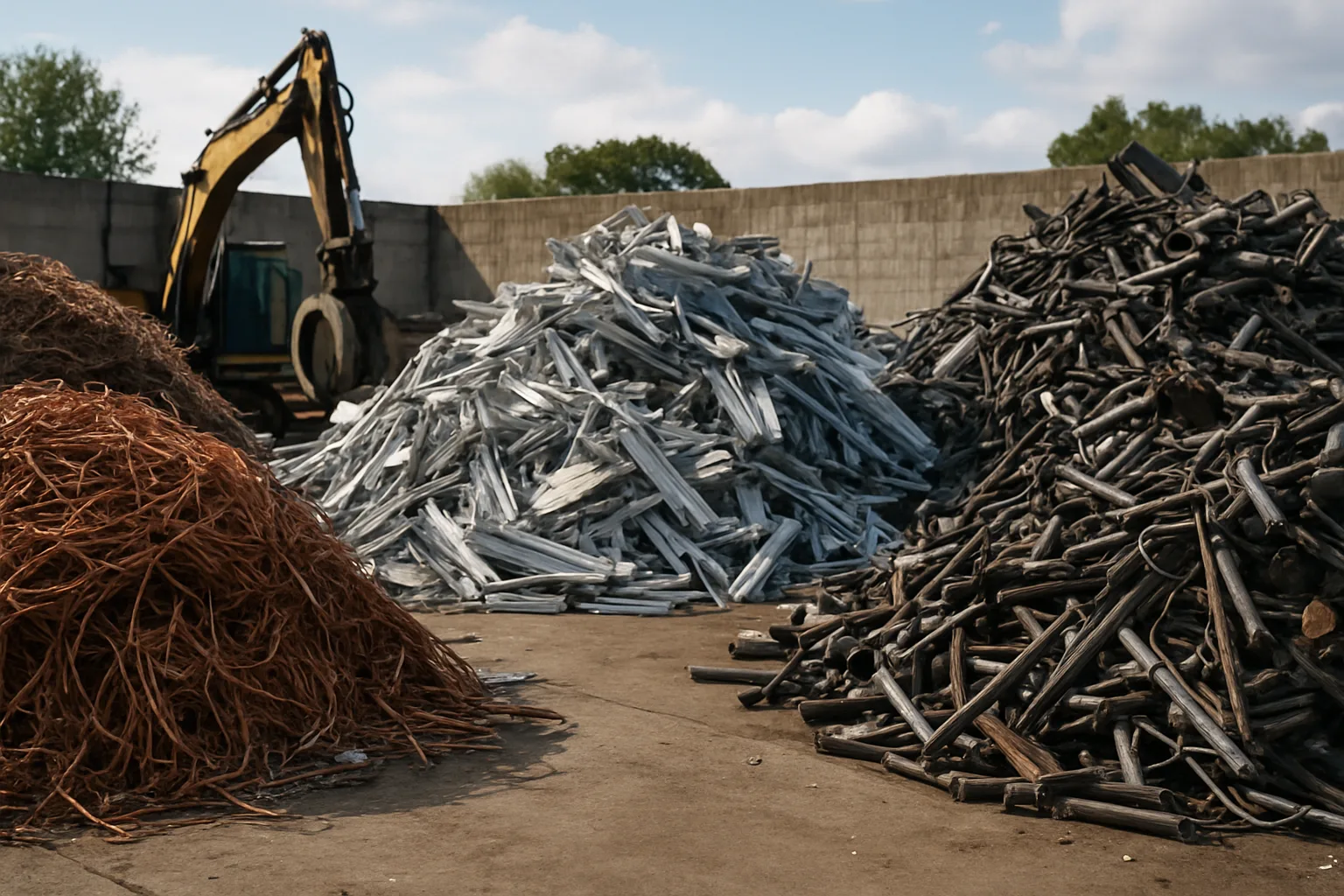
Most people drop off a load and assume the hard part is over. It's not — it's just beginning. What happens inside a scrap yard after you hand over your metals determines how fast you get paid, how accurately your load gets valued, and whether you walk away feeling like you got a fair deal or left money on the table. If you're searching for a scrap metal buyer near me Richmond, understanding the sorting and processing side of the business gives you a real edge.
Scrap yards in Richmond, Virginia aren't just warehouses where metal piles up. They're active processing operations — sorting, grading, shearing, baling, and moving material through multiple stages before it ships to mills and smelters. The more you know about that process, the better you can prepare your loads, negotiate your price, and choose the right yard.
Why Sorting Happens Before Anything Else
Metal is not metal. That's the first thing any experienced scrapper will tell you. A load of mixed steel scrap is worth far less per pound than the same steel properly sorted and graded. A box of "non-ferrous" that still has steel bolts attached will get downgraded fast. Yards sort first because buyers — mills, foundries, secondary smelters — pay premiums for clean, consistent grades. Contamination kills value.
The sorting process starts at intake. When you pull up to a yard's scale, your load gets a visual inspection. A grader walks the material, looking for obvious contamination, attached non-ferrous, plastics, fluids, or prohibited items. This initial grade sets your payout category before anything is weighed or processed further. Come in with a clean, pre-sorted load and that conversation goes in your favor. Come in with a mixed mess and expect to get the lowest bracket price on everything.
Here's what typically gets separated at a well-run scrap yard:
- Ferrous metals — iron and steel, including structural steel, cast iron, and appliances
- Non-ferrous metals — copper, aluminum, brass, stainless steel, zinc, lead
- Catalytic converters (cats) — sorted by type, vehicle, and PGM content
- Auto cores — alternators, starters, motors, and other remanufacturable units
- E-scrap — circuit boards, wire, transformers with specific material profiles
- Insulated wire — graded by copper percentage inside the insulation
Each category has subcategories. Copper alone runs from bare bright copper wire down through #1 copper, #2 copper, light copper, and insulated wire — each with its own price point and handling process. Yards that handle high volumes will have separate bins, separate scales, and separate processing lines for each.
How Scrap Yards Process Ferrous vs. Non-Ferrous Loads
Ferrous processing is mostly about size reduction and density. Large pieces of structural steel get sheared or torched into manageable lengths. Bulk auto shred runs through industrial shredders that reduce whole car bodies to fist-sized chunks. Baling machines compress loose sheet steel into dense cubes for efficient transport. The goal is to move the most metal in the smallest space possible — freight economics drive everything downstream.
Non-ferrous processing is more hands-on and detail-oriented. Aluminum gets separated by alloy type — extruded 6061 aluminum is priced differently than cast aluminum wheels, which are different from clip (clean mixed aluminum). Copper wire often goes through a granulator that strips insulation mechanically to recover the bare copper inside. Brass gets sorted from bronze. Stainless is separated from standard steel using a combination of magnets and spectrometer testing.
Yards with scrap metal inventory management systems track each grade as a separate SKU — logging weight, location, grade, and status. This matters to you as a seller because it's the documented basis for your payout. A yard running a real inventory system can show you exactly what grade your material landed in and what that grade is currently trading for. A yard that can't do that is either guessing or hiding something.
For large commercial loads in the Richmond area, find a scrap yard near you that can handle volume, separate grades properly, and give you written documentation of what you brought in and how it was classified. That documentation is your protection if a payout dispute ever comes up.
Catalytic Converters and High-Value Cores: A Different Process Entirely
If you've been selling cats, you already know this isn't the same as selling steel by the pound. Catalytic converters contain platinum, palladium, and rhodium — precious metals (PGMs) that trade on global commodity markets and fluctuate daily. A yard that values cats properly is using VIN lookups, serial number tracking, and assay data. One that eyeballs them and gives you a flat number is either guessing or shorting you.
Serious yards process cats through a separate intake track. Each unit gets logged — serial number or VIN noted, photos taken, grade assigned. Categories range from domestic cats and foreign cats to foil cats, small foreign, and direct-fit units. Each category has a different PGM loading and therefore a different value. The difference between a correctly identified domestic cat and a misidentified foil cat can be significant per unit.
Auto cores — alternators, starters, AC compressors — follow a similar logic. They're graded by type, condition, and remanufacturability. A working-pull alternator from a late-model vehicle is worth more than a seized unit from a 1997 truck. Yards that track this properly get better bids from core buyers. Yards that throw it all in one bin leave money for everyone on the table.
This is exactly where platforms like smashscrap.com change the equation. When inventory is documented with photos, serial tracking, and grade data, you're not relying on a single buyer's verbal offer. Competition can help reveal the market. More buyers seeing your documented load means better price discovery — not a guess from one phone call.
Scrap Yard Prices in Richmond: What Drives the Numbers
People searching for scrap yard prices Richmond want a specific number. Here's the honest answer: posted prices at any yard are a snapshot, not a contract. They reflect the yard's last buy price from a mill or broker, adjusted for their margin, overhead, and current stock levels. Those numbers move with commodity markets, freight rates, and demand cycles.
What you can control is the grade you deliver. A clean load of #1 copper pipe pulls a different price than a load of mixed dirty copper with fittings still attached. Prepared shredder scrap loads differently than unprepared. Sorted and labeled loads — especially for non-ferrous — show up differently in a buyer's eyes than mixed material they have to process themselves.
A few factors that directly impact your payout at Richmond-area yards:
- Grade cleanliness — the less work the yard does to process your material, the more they can offer
- Load size — larger volumes often qualify for better rates; small drops typically price at retail
- Documentation — BOLs, packing lists, and photo documentation build trust and reduce disputes
- Timing — commodity prices move; check rates before you load up, not after
- Buyer competition — a yard with multiple buyers competing for your material prices differently than one with a single offtake agreement
Virginia scrap markets connect into major regional networks with buyers in the Mid-Atlantic, Southeast, and direct to port facilities. That regional demand backdrop matters when you're negotiating a price. A yard with access to multiple buyers has more pricing flexibility than one locked into a single mill relationship.
If you want to compare options before committing to a single buyer, locate the closest scrap yard to your location and do a quick comparison on posted prices for your specific material grade. Don't just go to the nearest yard by default — go to the yard that prices your specific material correctly.
How Good Inventory Management Changes What You Get Paid
Here's something most sellers never think about: the yard's internal scrap metal inventory management system directly affects your payout accuracy. A yard running manual processes — paper logs, whiteboard prices, verbal grade assignments — introduces error at every step. That error rarely benefits the seller.
Modern yards use digital intake systems that log your load against a timestamped grade schedule. Weight tickets are generated automatically. Grade assignments are documented. If a dispute comes up — wrong grade, short weight, classification error — there's a paper trail both sides can review. Without that system, you're trusting the person at the scale window to remember what they said an hour ago.
Platforms built around documented inventory take this further. When a load is photographed, catalogued by grade, and listed with supporting data, buyers bid on what they can actually see. That transparency produces better outcomes than a phone call where you describe the load and hope the buyer believes you. For commercial sellers moving regular volumes through Richmond scrap metal services, that documentation layer isn't optional — it's how you protect your margins over time.
SMASH was built specifically around this principle. Document your inventory. Let multiple vetted buyers see it. Let competition do its job. No subscription fees — we only win when you do.
What to Do Before You Bring a Load In
Preparation before you leave your yard or job site is worth more per hour than almost anything else in the scrap chain. A sorted, clean, documented load commands better pricing and faster processing at every yard you'll ever deal with.
Here's a practical pre-drop checklist that experienced Richmond-area scrappers use:
- Separate ferrous from non-ferrous — don't mix them in the same bin or truck section
- Pull cats and cores out of auto bodies before the car goes to the crusher
- Strip or at minimum separate insulated wire from bare wire
- Remove obvious contamination — plastic, rubber, wood, fluids
- Photograph your load before it leaves your site — this is your documentation if questions arise
- Know your grades — if you're not sure what grade your aluminum is, ask before you accept a price
- Check current posted prices for your material type before you commit to a yard
For businesses moving regular loads, consider building a simple intake log — material type, weight estimate, grade, date pulled. That data becomes leverage. When you show up knowing what you have and roughly what it weighs, you're negotiating from information, not hope.
Want to go deeper on how to maximize returns on different material types? Read scrap yard guides and tips that cover everything from copper grading to auto core identification.
Whether you're clearing a single garage load or managing commercial volumes across Virginia, doing your homework upfront pays off at the scale window. The best scrap metal buyers in Richmond reward sellers who show up prepared. Find the best scrap yard near you — check locations at scrap-yard-near-me.com and make sure your next load gets the price it actually deserves.
Frequently Asked Questions
Q: How do I find a reliable scrap metal buyer near me in Richmond?
Start by searching for yards that post their prices publicly and have clear grading documentation. A yard that can explain exactly how they classify your material — and show you the weight ticket — is a yard worth trusting. You can also use scrap-yard-near-me.com to locate verified facilities in the Richmond area.
Q: What metals get the best prices at scrap yards in Richmond?
Non-ferrous metals consistently outprice ferrous on a per-pound basis. Bare bright copper wire, #1 copper tubing, and platinum-group metals from catalytic converters typically top the list. Clean aluminum extrusions and brass also command strong per-pound prices. Note that all prices fluctuate with commodity markets — always verify current rates before you drop a load.
Q: Do Richmond scrap yards pay more for sorted loads?
Yes, almost universally. A sorted, clean load reduces the yard's processing cost and increases their confidence in the grade. That savings gets passed back to you — partially, at least. Mixed or contaminated loads get priced at the lowest grade in the mix to protect the yard's margin. Sorting before you arrive is one of the most direct ways to improve your payout.
Q: What is scrap metal inventory management and why does it matter to sellers?
It's the system a yard uses to track incoming material — grade, weight, classification, and status. A yard with a solid inventory system can give you a documented receipt showing exactly how your load was classified and priced. That documentation protects you from errors and gives you a basis to compare against current market rates. Platforms like SMASH are built around this kind of transparent, documented process.
Q: Can I sell scrap metal in Virginia without ID?
Most Virginia scrap yards are required by state law to collect seller identification for certain material types — particularly copper, catalytic converters, and other high-theft-risk metals. Bring a valid government-issued ID to every drop. Requirements vary by material and yard, so call ahead if you're unsure what documentation you need for your specific load.
Follow SMASH on LinkedIn for scrap metal market insights, industry updates, and auction platform news: linkedin.com/company/scrap-metal-auction-sales-hub