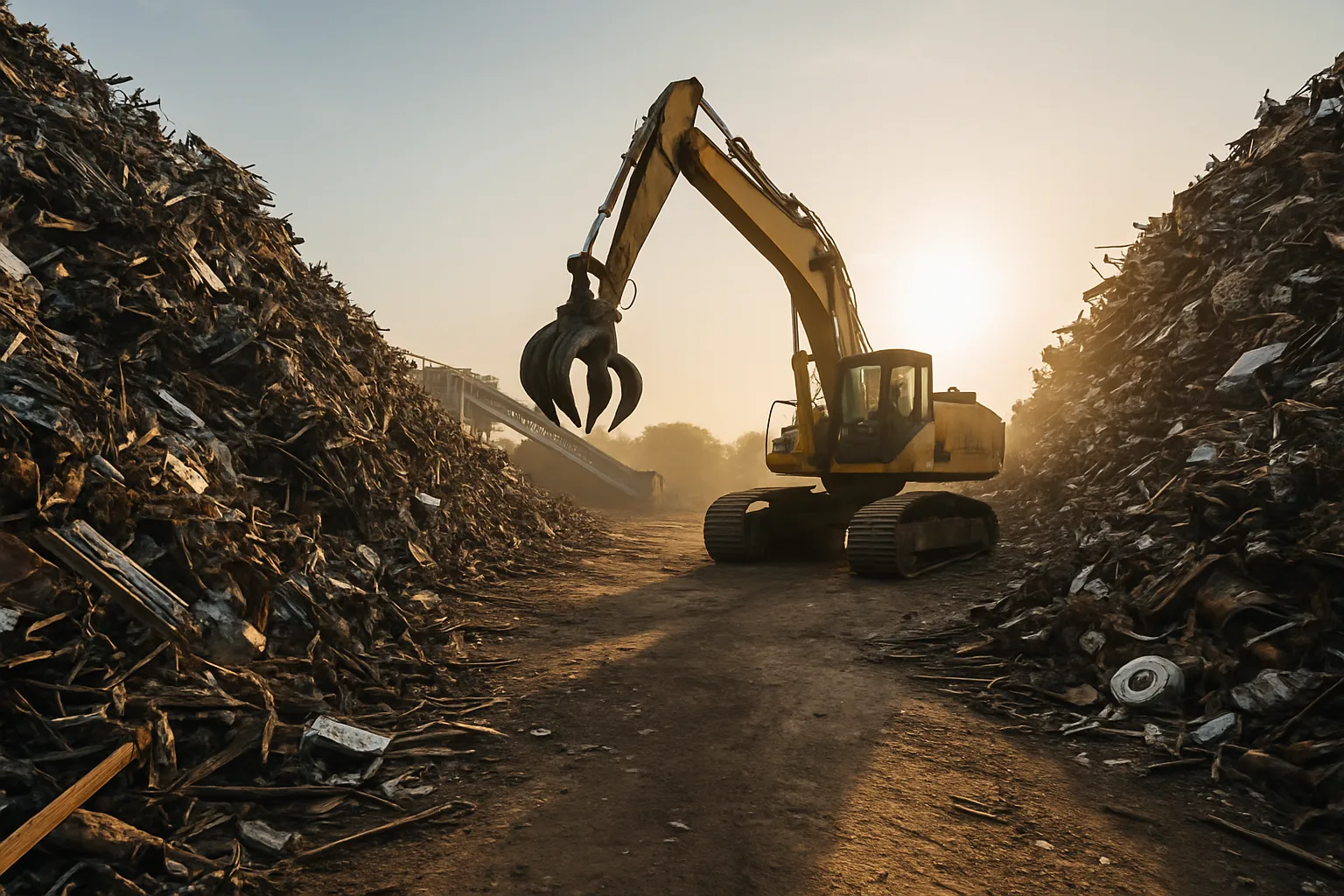
From the Yard Floor Up: How Scrap Metal Yards Actually Sort and Process Metal
Most people pull up to a scrap metal yard, hand over their load, and walk away with a check. What happens between those two moments? A lot. The sorting, grading, and processing work that happens inside a scrap yard directly affects what you get paid — and understanding it helps you prep your metal better, argue your grade confidently, and stop leaving money on the table.
If you're hauling to a scrap metal yard in Savannah or anywhere else in Georgia, this is the process your metal goes through before a buyer ever sees it. Knowing it makes you a better seller.
Why Sorting Matters More Than Most Sellers Realize
Every load that rolls into a yard is a mix — sometimes a deliberate mix, sometimes a chaotic one. Copper wire tangled with steel conduit. Aluminum rims next to cast iron brake rotors. Old electrical motors sitting beside clean sheet aluminum. The yard's job is to untangle that and assign each material a grade and a value.
Sorting isn't just administrative work. It determines what the yard can sell downstream, what price they can command from processors and mills, and what margin they're working with. A yard that sorts well can move cleaner loads and negotiate better. A yard that doesn't sort well eats the cost in downgraded material.
For sellers, this is where preparation pays off. Pre-sorted loads — copper separated from aluminum, ferrous kept away from non-ferrous — typically command better prices than mixed or contaminated loads. The yard doesn't have to do that labor, so more of the value comes back to you. If you want to understand what affects scrap yard prices today near you, sorting and cleanliness are near the top of the list.
The Ferrous Line: Steel, Iron, and Everything Magnetic
The first major split in any yard is magnetic. Ferrous metals — steel, iron, and their alloys — stick to a magnet. Non-ferrous metals don't. A yard runs magnets over incoming loads or uses overhead magnetic separators to pull ferrous material out of mixed piles. It's fast, effective, and the foundation of everything else.
Once flagged as ferrous, material gets further broken down:
- #1 Heavy Melt Steel (HMS 1): Clean, thick-gauge steel with no attachments. Structural steel, heavy plate, large beams.
- #2 Heavy Melt Steel (HMS 2): Thinner gauge, mixed quality, may include light iron and sheet steel.
- Shredder feed: Cars, appliances, mixed light iron — material that gets shredded into fist-sized chunks for easier melting.
- Cast iron: Engine blocks, radiators, heavy machine components. Dense and valuable for its melt quality.
- Busheling: Clean factory punchings and sheet scrap, usually from manufacturing operations.
Ferrous pricing moves with mill demand, regional inventory levels, and export activity out of major ports — including those in Georgia. Prices per gross ton fluctuate week to week. Always ask your local scrap yard what grade your steel qualifies for before you hand it over.
The Non-Ferrous Side: Where the Real Per-Pound Value Lives
Non-ferrous metals — copper, aluminum, brass, stainless steel, lead, zinc, nickel — are where the per-pound values get interesting. These metals don't corrode the way ferrous does, they're more conductive, and they're harder to replace with cheaper alternatives. That makes them more valuable by weight. They also require more careful sorting.
Here's how a yard typically processes the major non-ferrous categories:
Copper
Copper gets graded by cleanliness and form. Bare bright copper wire — clean, uncoated, 16 gauge or heavier — sits at the top. Below that is #1 copper (clean pipe and wire with no attachments), then #2 copper (soldered fittings, painted pipe, light contamination), then insulated wire, which gets graded by the percentage of copper inside the insulation. Yards use wire choppers to strip and assess insulated wire. The cleaner and more separated your copper is, the higher the grade — and the better your payout.
Aluminum
Aluminum sorting is detailed work. The major categories include:
- Cast aluminum: Engine parts, transmission cases, wheels
- Extruded aluminum: Clean, uniform shapes like window frames and screen material
- Sheet aluminum: Flat stock, roofing, siding
- Painted or coated aluminum: Lower value due to contamination
- Aluminum cans (UBCs): Used beverage containers — processed separately and compacted into bales
Alloy matters here. Aircraft-grade aluminum isn't worth the same as paint-coated scrap from a window frame. Yards use XRF (X-ray fluorescence) guns to identify alloys when cleanliness or composition is unclear.
Brass and Bronze
Brass gets separated into yellow brass (plumbing fixtures, fittings) and red brass (higher copper content, valves, fire hydrant components). Bronze — used in bearings, bushings, and marine hardware — is separated out as well. These are small-volume but high-value materials. Keep them bagged or binned separately from your other non-ferrous.
Stainless Steel
Stainless is non-magnetic in most common grades (304 and 316), which means it doesn't get pulled on the ferrous line. Yards verify stainless with a magnet or XRF gun and separate it from regular steel. The value comes from the nickel and chromium content, which varies by grade. Know your stainless grade if you can — it affects the price.
Processing Equipment: What Happens After Sorting
Sorting is step one. Processing is what gets the material ready for mills, smelters, and downstream buyers. Here's what that looks like at a properly equipped yard:
- Shredders: Large vehicles and mixed light iron go through an industrial shredder. The output — fist-sized chunks of clean steel — is called shredded scrap or #1 shredded. Non-ferrous material is liberated from the shred stream and recovered separately using air classifiers and eddy current separators.
- Shears and balers: Oversized ferrous material gets cut down by hydraulic shears before it can be moved or sold. Non-ferrous material — aluminum, copper, stainless — often gets baled for density and easy transport.
- Wire choppers: Strip insulation from copper wire, allowing proper grading and weight assessment.
- XRF analyzers: Handheld or fixed guns that identify metal alloys in seconds. Used on stainless, aluminum, and high-value non-ferrous loads.
- Scales and ticketing systems: Every load is weighed. Weight tickets generate the paperwork trail — critical for BOLs, packing lists, and accurate invoicing.
When you're comparing yards in a market like Savannah, it's worth asking what processing equipment they run. A yard with a shredder and XRF capability can grade and process more accurately than one doing it by eye. That accuracy often works in your favor — especially on mixed or ambiguous loads.
How Platforms Like SMASH Connect Sorted Loads to Competitive Buyers
Here's where the market structure gets relevant. Once a yard has sorted, processed, and graded a load, they need to sell it. The old way: call one or two buyers, take the first reasonable offer, move on. The problem with that approach is obvious — one buyer doesn't set a market. One buyer sets their price.
That's the exact gap that SMASH Scrap — where verified buyers bid on your metal addresses. SMASH puts processed, documented loads in front of multiple vetted buyers simultaneously. When buyers compete, price discovery happens. You're not guessing whether your sorted copper or clean aluminum load is worth more — the market tells you.
SMASH uses photo documentation, serial tracking, and detailed inventory tools so buyers can evaluate loads with confidence before they bid. That confidence drives participation. More participation means better price discovery. No subscription fees. You only pay when the deal closes.
Whether you're a yard operator in Georgia moving regular loads or a private seller who just cleaned out a shop full of non-ferrous, understanding the sorting and processing side of the business puts you in a stronger position. Cleaner loads. Better grades. More informed conversations with buyers.
To find a scrap yard near you that processes and grades accurately, or to locate the closest scrap yard with the right equipment for your load type, start with a quick location search. And if you want to go deeper on selling strategy, read scrap yard guides and tips that cover grades, pricing, and prep.
Disclaimer: Scrap metal prices fluctuate based on market conditions, regional demand, and load quality. Always check current rates directly with your local scrap yard before hauling. The pricing information above reflects general industry categories, not current spot prices.
The best move you can make before your next haul is knowing exactly what you have, how it's graded, and who's buying. Start by finding the right yard — check locations at scrap-yard-near-me.com and take the guesswork out of your next load.
Frequently Asked Questions
Q: How does a scrap metal yard in Savannah determine what grade my metal is?
Yards grade metal based on cleanliness, form, and composition. Visual inspection handles most common materials — bare copper wire versus insulated wire, for example. For ambiguous loads or high-value non-ferrous like stainless steel, many yards use XRF analyzers to confirm alloy content. Pre-sorting your load before you arrive typically results in more favorable grading.
Q: What's the difference between ferrous and non-ferrous scrap, and does it matter for pricing?
Ferrous metals contain iron and are magnetic — think steel and cast iron. Non-ferrous metals like copper, aluminum, and brass don't contain iron and aren't magnetic. Non-ferrous metals generally carry significantly higher per-pound values than ferrous. Keeping them separated before your visit to a local scrap yard in Savannah or elsewhere helps the yard grade faster and helps you get accurate payouts for each material type.
Q: How do I find out what scrap metal prices are today near me?
Scrap yard prices today near you are best confirmed by calling or visiting your local yard directly — prices shift with commodity markets, often weekly or even daily. Online price guides provide rough benchmarks, but they don't replace a current quote from a buyer in your area. Platforms like SMASH can also help reveal what competitive buyers are actually paying for specific grades and load types.
Q: Can I bring a mixed load to a scrap yard, or do I need to sort it myself?
Most yards accept mixed loads, but they'll sort it themselves and price accordingly — which usually means the lower grades in the mix pull the average down. If you sort your load before arriving and separate copper, aluminum, and steel into distinct piles, you typically walk away with a better blended payout. The more work you do upfront, the more value comes back to you.
Q: What should I bring to a scrap yard in Georgia to sell metal legally?
Most scrap yards in Georgia require a valid government-issued photo ID for all transactions. For larger loads or regulated materials like catalytic converters, additional documentation may be required under Georgia state law. Some yards photograph loads and license plates as part of their intake process. Call ahead to confirm requirements before your first visit.
---Stay sharp on scrap metal market trends and industry news — follow SMASH on LinkedIn for regular updates, pricing insights, and recycling industry news.