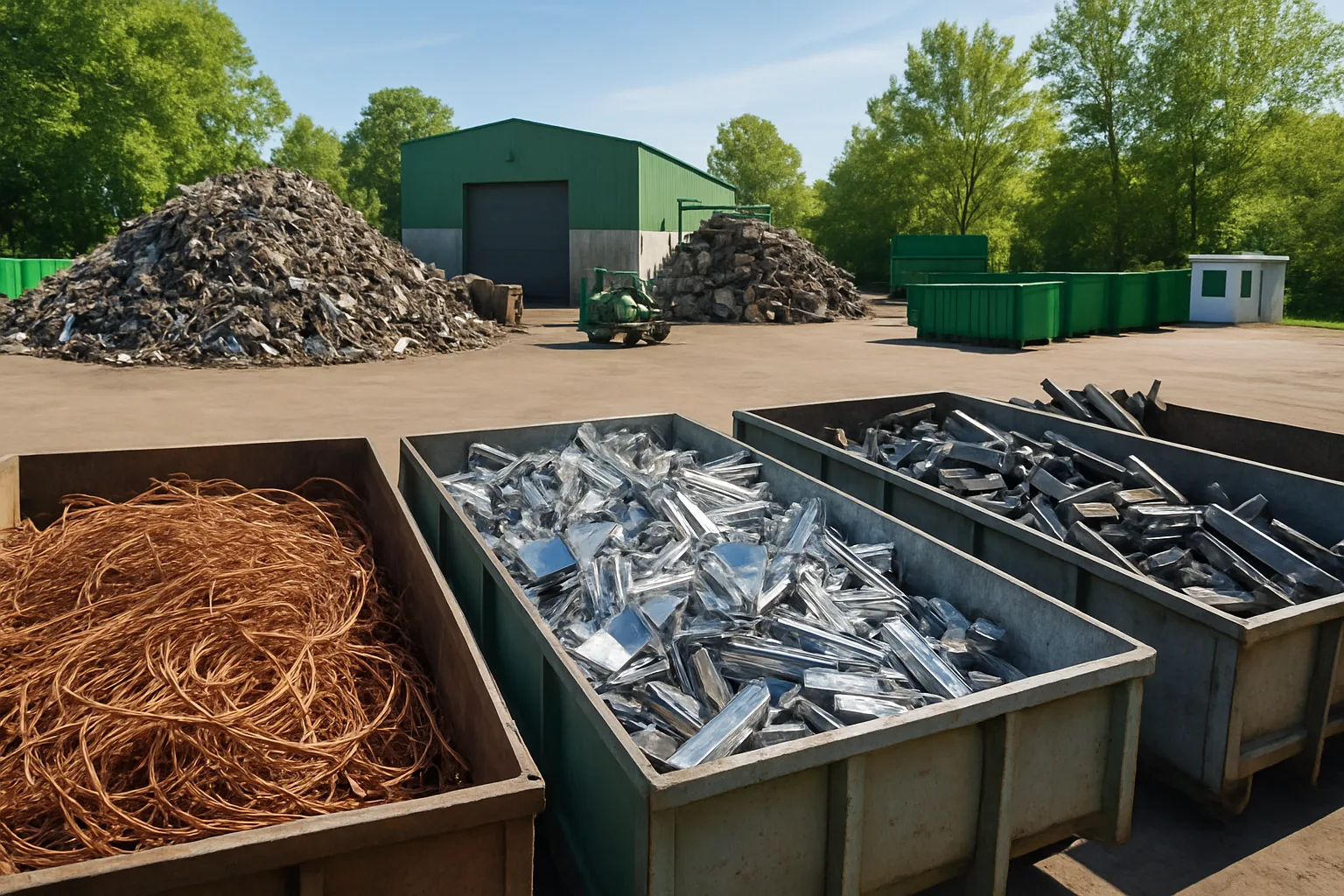
Most people walk into a scrap yard for the first time with no idea what to expect — and leave money on the table because of it. If you're trying to find a scrap yard in Seattle and you've never done this before, that's exactly what this guide is for.
Selling scrap metal isn't complicated. But knowing the process before you show up saves you time, frustration, and sometimes real cash. Here's what actually happens from the moment you pull in to the moment you drive away with a check.
What Happens the Moment You Pull Into a Scrap Yard
The first thing you'll notice is the scale. Most scrap yards — including those across Seattle and the broader Washington state region — run a drive-on truck scale at the entrance. You pull your vehicle onto it, they weigh you fully loaded, you offload your material, and they weigh you again on the way out. That difference is your net weight, and that's what you get paid on.
Don't skip this step mentally. Weight is everything in this business. A few hundred pounds of mixed steel versus sorted copper or aluminum changes your payout dramatically. Know roughly what you're bringing before you show up.
- Bring your ID. Washington state law requires scrap yards to record seller identification, especially for regulated materials like catalytic converters and copper wire.
- Know your material. Mixed loads get priced at the lowest common denominator. Sorting saves money.
- Check the hours first. Not every yard is open seven days. If you need a scrap yard open today near me, verify before you load your truck.
- Ask about acceptable materials upfront. Some Seattle yards won't take certain items — sealed containers, hazardous materials, or specific electronics.
The staff at the yard will direct you where to go. Follow their instructions. These facilities move heavy loads constantly and the flow of traffic is intentional. When in doubt, ask — yard workers would rather answer a question than untangle a bottleneck.
How Scrap Metal Gets Sorted and Priced on the Spot
Once you offload, a yard employee will walk your pile. They're sorting fast and they know what they're looking at. Ferrous metals (anything magnetic — steel, iron) go one direction. Non-ferrous metals (copper, aluminum, brass, stainless) go another. Each category carries a different price per pound.
Here's where first-timers get surprised: contamination drops your price. Copper wire with plastic insulation isn't priced the same as bare bright copper. Aluminum with steel attachments gets docked. If you took twenty minutes to prep your load before arriving, that prep shows up in your payout. If you didn't, you're leaving that value with the yard.
Common materials and what drives their value:
- Bare bright copper — the highest copper grade, no insulation, no corrosion
- Insulated wire — priced lower due to recovery rate after stripping
- Cast aluminum vs sheet aluminum — different grades, different prices
- Stainless steel — must be confirmed with a magnet test (non-magnetic = higher value)
- Catalytic converters (cats) — priced individually by serial number or assay; never lump them into a pile
If you have cats, call ahead. Yards that handle catalytic converters seriously want documentation — VIN numbers, photos, serial tracking. That's not bureaucracy; that's them protecting you and themselves under Washington's metal theft statutes. Bring what you have.
Metal Recycling Near Me Seattle: What Local Yards Look Like Versus What You Might Expect
Seattle's industrial zones — SoDo, Georgetown, the Duwamish corridor — house most of the serious recycling operations. These aren't junkyards in the TV sense. They're industrial facilities processing hundreds of tons a week. Expect forklifts, shredders, baling equipment, and a lot of noise. That's normal. It means the operation is moving volume, which typically means they're competitive on pricing.
Smaller neighborhood yards exist too, and they serve a different purpose. They're more accessible, sometimes more flexible on small loads, and can be faster for individual sellers with a pickup truck haul. The tradeoff is that smaller operations sometimes have narrower buyer networks, which can affect how competitively they price your material on any given day.
This is where selling your scrap metal on the SMASH marketplace becomes worth understanding — especially for businesses, contractors, or anyone moving consistent volume. Instead of accepting whatever price one buyer posts that morning, an auction-style platform puts your load in front of multiple vetted buyers. Competition can help reveal the market. More buyers means better price discovery. That's the idea behind platforms like SMASH, and it's gaining traction among Washington-area yards and sellers who got tired of guessing.
For your first visit though, a local yard gets you started. You learn the process, you see how grading works, and you walk away with a better feel for what your material is actually worth.
Documents, Payments, and What to Bring With You
This part trips up first-timers more than anything. Scrap yards aren't informal cash-under-the-table operations anymore — at least not legitimate ones. Washington state has strict regulations around scrap metal purchasing, and reputable yards follow them tightly.
Here's what to bring:
- Government-issued photo ID — driver's license is standard. Required by law for most transactions.
- Vehicle registration — if you're selling materials from a vehicle or dropping off a vehicle for scrap.
- Proof of ownership — for large loads, especially copper, catalytic converters, or anything that could raise theft-related flags.
- Bill of lading or packing list — if you're a business moving industrial scrap, documentation helps yards process your load faster and price it more accurately.
Payment at most yards comes as a check. Some pay cash for small loads under a threshold. Electronic payment options vary by yard. If same-day payment matters to you, ask when you call ahead — not after you've already offloaded your material.
You can find a scrap yard near you that fits your needs before you ever load the truck. Check hours, accepted materials, and payment methods while you're still at home. That fifteen-minute check saves a wasted trip.
B2B Scrap Metal Marketplace: When You're Moving More Than Just a One-Time Load
If you're a contractor, demolition crew, auto recycler, or industrial operation in the Seattle area — this section matters more than any other part of this article. One-off visits to a single yard work fine for occasional loads. They don't work well when you're moving regular volume and you need reliable pricing, documentation, and buyer relationships that scale.
That's the gap a B2B scrap metal marketplace fills. SMASH runs an auction-style platform specifically for this. You document your inventory — photos, weights, serial numbers for regulated items like cats — and put it in front of vetted buyers who compete for your load. No subscription fees. No cold calls. No wondering whether the price you got was anywhere close to market.
SMASH also handles auto-invoicing, which matters when you're running a real operation and need clean records. If you're already doing the work to sort, document, and move scrap, you shouldn't be leaving the pricing to chance. Read scrap yard guides and tips on how businesses are structuring their scrap sales to get more out of every load.
The old model — one buyer, one phone call, accept whatever number they give you — made sense when that was the only option. It's not the only option anymore.
Scrap Yard Prices: What Drives the Numbers and How to Track Them
Scrap metal prices move. They track commodity markets, shipping costs, global demand for raw materials, and local yard capacity. What copper pays this Tuesday in Seattle might be different from what it pays next Tuesday. This isn't the yard being arbitrary — it's the market.
A few things that influence what you'll get paid:
- Material grade and purity — always the biggest factor
- Load size — larger, consistent loads often command better per-pound rates
- Current market conditions — ferrous and non-ferrous markets move independently
- Local demand — mills and processors in the Pacific Northwest affect regional pricing
- Documentation quality — for regulated items, good documentation speeds processing and sometimes improves offers
Disclaimer: Scrap metal prices fluctuate daily based on commodity markets and local yard conditions. Always check current rates directly with your yard or through a current market source before making decisions based on price.
If you need a locate the closest scrap yard option that shows current information for your area, use the location tools available to you before you load your truck. Prices vary yard to yard, and a few minutes of research changes your outcome.
For Seattle scrap metal services, local options are within reach — but knowing the process before you arrive is what turns a first visit into a smooth transaction.
Seattle has real infrastructure for metal recycling. The buyers are here, the volume is here, and platforms like SMASH are connecting sellers to more of that demand than a single cold call ever could. Whether you're offloading a truck bed of copper pipe or running a regular scrap operation out of a demolition business, the tools exist to get you a fair shake. Start with a local yard, learn the process, and scale from there.
When you're ready to move beyond the first visit — or you want to compare your options before you show up — the best place to start is to check locations at scrap-yard-near-me.com and find the yard that fits your load, your schedule, and your materials.
Frequently Asked Questions
Q: What do I need to bring to a scrap yard in Seattle for the first time?
Bring a government-issued photo ID — it's required under Washington state law for most scrap metal transactions. If you're selling from a vehicle or dropping off a vehicle, bring the registration. For larger loads or regulated materials like catalytic converters, any proof of ownership or origin documentation helps the process move faster.
Q: How do I find a scrap yard open today near me in Seattle?
Check the yard's website or call ahead before you load your truck. Hours vary by location, and not every yard is open on weekends or holidays. The scrap-yard-near-me.com location tool lets you filter by city so you can confirm hours and accepted materials before making the drive.
Q: How are scrap metal prices determined at Seattle yards?
Prices are based on material type, grade, and current commodity market rates. Non-ferrous metals like copper and aluminum pay significantly more per pound than ferrous steel. Contamination in your load — insulation, attachments, mixed metals — lowers the effective grade and reduces your payout. Prices fluctuate daily, so always confirm current rates directly with the yard.
Q: Can businesses use a B2B scrap metal marketplace instead of selling directly to a yard?
Yes. Platforms like SMASH operate as auction-style marketplaces where vetted buyers compete for your load. This approach is particularly useful for businesses moving regular volume — contractors, auto recyclers, demolition crews — who want competitive pricing and cleaner documentation without locking into a single buyer relationship.
Q: Do Seattle scrap yards take catalytic converters?
Many do, but regulations are strict. Washington state requires documentation for catalytic converter sales, including seller ID and often vehicle VIN information. Bring everything you have — the more you document, the smoother the transaction. Some yards use serial number tracking and photo documentation to verify units before purchase.
Stay current on scrap metal market trends and industry updates — follow SMASH on LinkedIn for insights that help you sell smarter.