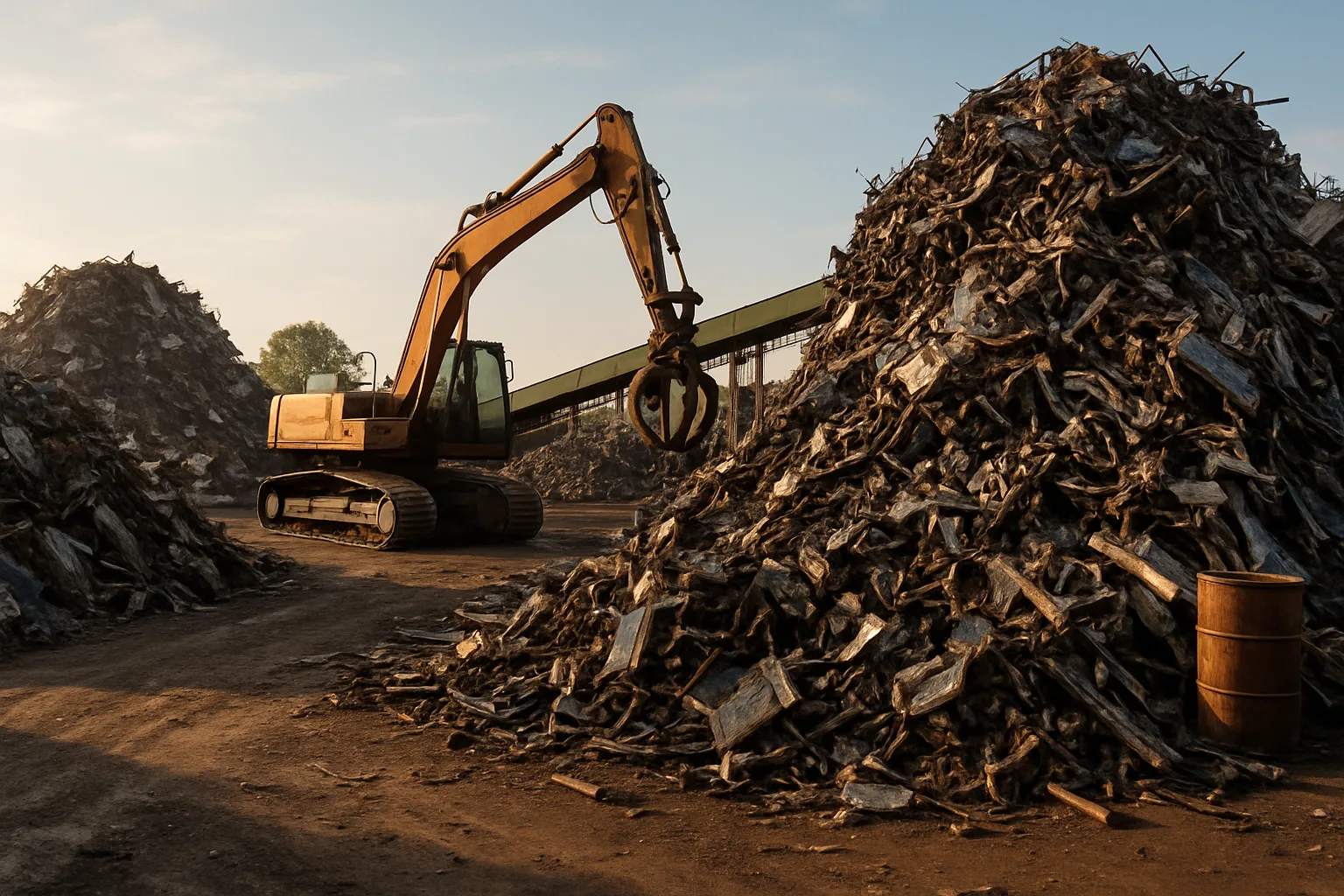
Most people show up at a scrap yard with a truckload of mixed metal and zero idea what'll get rejected at the gate. That mistake costs time, fuel, and sometimes a flat-out turned-away load. If you're hunting for a junkyard near me St. Paul or anywhere across Minnesota, knowing what yards accept — and what they won't touch — is the difference between a smooth transaction and a wasted trip.
This guide breaks it all down. What's welcome, what's not, why the rules exist, and how to get the most out of your visit before you ever leave your driveway.
What Scrap Yards Generally Accept
Most scrap yards deal in a wide range of ferrous and non-ferrous metals. If it's metal and it's clean, you're usually in good shape. But "clean" is the operative word — more on that shortly.
Here's a broad breakdown of what most facilities will take:
- Ferrous metals: Steel, iron, cast iron, stainless steel (though grades matter). Think old appliances, beams, rebar, auto bodies, and structural scrap.
- Non-ferrous metals: Copper, aluminum, brass, bronze, lead, and zinc. These carry higher value per pound than ferrous and get weighed and graded carefully.
- Vehicles: End-of-life cars, trucks, and vans. Most auto recycling yards in St. Paul will accept complete vehicles, stripped hulks, and sometimes flood or fire-damaged units — but policies vary. You'll typically need a clean title.
- Catalytic converters: Cats are accepted at many yards, but regulations around serial tracking and documentation have tightened significantly. Have your paperwork ready.
- Aluminum cans and sheet: Common at most yards, though larger loads get better pricing than small residential drop-offs.
- Electric motors and cores: Motors, alternators, starters — these are welcome at most facilities. They get sorted and processed for their copper content.
- Wire and cable: Bare bright copper wire, insulated wire, and communication cable all have a market. Know the grade before you go.
If you're a business — a demolition crew, a contractor, or a manufacturing operation — you're dealing in volume. That changes the conversation. North America's B2B scrap metal auction platform SMASH exists precisely for those loads, connecting vetted sellers to a competitive buyer pool rather than the single-buyer guessing game most yards still run on.
What Scrap Yards Will Not Accept — And Why It Matters
This is where most first-timers get burned. Yards aren't being difficult when they turn away certain materials — there are real regulatory, safety, and environmental reasons behind every restriction. Showing up with rejected material wastes everyone's time and can get you flagged at the gate.
Here's what most yards across Minnesota and the broader U.S. will refuse:
- Sealed or pressurized containers: Propane tanks, freon canisters, fire extinguishers — anything still sealed and pressurized is a liability. They need to be properly emptied and punctured (by a professional) before most yards will take them.
- Radioactive materials: Scrap yards run radiation detectors at many intake points. Medical or industrial equipment with radioactive components gets flagged and rejected immediately.
- PCB-contaminated equipment: Old transformers and capacitors manufactured before the 1980s may contain polychlorinated biphenyls. These require specialized hazardous waste disposal — not a scrap yard.
- Asbestos-containing materials: Pipe insulation, floor tiles, and some older automotive parts (brake pads, gaskets) may contain asbestos. Yards won't touch it — this is an EPA-regulated material requiring certified removal and disposal.
- Explosives and ammunition: Self-explanatory. Live rounds, shell casings that haven't been deprimed, and anything classified as ordnance are off the table everywhere.
- Wet or contaminated loads: Scrap soaked in oil, chemicals, or other fluids often gets rejected or docked heavily. Yards pay by weight — and they don't want to pay for contamination.
- E-waste (in most scrap yards): Computers, monitors, televisions, and circuit boards require e-waste recycling, not a standard scrap yard. Some specialized facilities handle it, but most general yards pass.
- Stolen property: This one's obvious but worth saying. Minnesota law requires yards to log seller ID, vehicle information, and load details. If something's flagged as stolen, law enforcement gets involved. Don't bring hot material — it's not worth it.
Regulations around what yards can accept have evolved considerably. By 2026, documentation requirements — especially around catalytic converters, cores, and certain non-ferrous categories — are more rigorous than ever. If you're running an auto recycling yard in St. Paul or sourcing from one regularly, staying current on state and local compliance requirements isn't optional.
How Yards Grade and Price What You Bring In
Knowing what's accepted is step one. Understanding how yards value your material is what determines your payout. Grading is where experience — and documentation — pays off.
Yards don't offer a flat rate for "copper." They price based on grade: bare bright, #1 copper, #2 copper, insulated wire, and so on down the line. Same for aluminum — sheet aluminum, cast aluminum, extrusions, and irony aluminum all carry different prices. When you walk in without knowing your grades, you often get quoted the lower end of the range.
A few things that affect pricing:
- Cleanliness: Mixed or contaminated metal fetches less. A clean load of #1 copper commands a premium over a load mixed with insulation, fittings, or foreign material.
- Volume: Larger loads typically negotiate better rates. If you're moving industrial quantities, you have leverage — but only if you're talking to more than one buyer.
- Documentation: For vehicles, a clean title matters. For cats, serial numbers and VIN documentation increasingly affect what a yard will pay. For commercial loads, BOLs and packing lists help both sides.
- Market timing: Metal prices move daily. Showing up on the wrong day with no knowledge of the market is how sellers leave money behind.
For commercial sellers, this is where platforms like SMASH change the equation. Competition between vetted buyers — not a single phone call to one yard — is how price discovery actually works. More buyers seeing your load means better odds of hitting the real market value, not just one yard's preferred margin.
Preparing Your Load Before You Arrive at a Scrap Yard Near St. Paul
Preparation matters more than most people realize. An unprepared load gets downgraded, partially rejected, or priced at the yard's discretion rather than yours. Here's how to show up ready:
- Sort your metal by type. Don't mix copper with brass, or aluminum with steel. Keeping grades separate at load time saves you from being lumped into a catch-all bin at a lower price.
- Remove non-metal attachments where possible. Rubber, plastic, wood, and insulation add weight but reduce value. Strip what you can before you go.
- Document what you have. For vehicles, bring your title. For catalytic converters, have VIN records and any serial documentation. For commercial loads, a simple inventory list helps the transaction move faster.
- Know the rules for ID. Minnesota yards are required to log seller identification for certain material categories. Have a valid, current ID on you.
- Call ahead for large or unusual loads. If you're bringing in something outside the ordinary — industrial equipment, a large volume of non-ferrous, or vehicles in questionable condition — a quick call saves a wasted trip.
If you need to find a scrap yard near you that handles your specific material type, it pays to check before you load up the truck. Not every yard in the St. Paul area handles every category.
Why B2B Sellers in Minnesota Are Moving Away From Single-Yard Deals
For residential drop-offs — a few pounds of copper pipe, an old appliance — walking into your local yard is fine. But if you're moving volume, the single-yard model leaves real money on the table.
Think about it: one buyer, one price, no comparison. The yard knows you're there. You don't know what the next buyer down the road would have offered. That information gap is where margin disappears.
The SMASH scrap metal auction model flips that dynamic. Sellers list inventory with documentation — photos, weights, grades, condition — and vetted buyers compete. That competition can reveal the actual market. It doesn't guarantee a higher price on every load, but it means you're not flying blind with a single quote from one yard on one phone call.
For yards and operators in the St. Paul area handling commercial volumes, this is the model worth understanding. You can read scrap yard guides and tips on topics like grading, documentation, and maximizing your payout before your next transaction.
The B2B scrap metal marketplace has shifted. Transparency and competition are now accessible tools — not just advantages reserved for large national players.
How to Find the Right Scrap Yard for Your Material in Minnesota
Not all yards are equal. Some specialize in auto recycling. Some focus on non-ferrous. Some handle industrial demolition scrap. Matching your material to the right facility matters for both acceptance and pricing.
Here's how to narrow it down:
- Check what material categories the yard advertises. A yard that prominently lists catalytic converters and automotive cores likely has the right grading infrastructure for that material.
- Look for yards that accept commercial accounts. If you're a contractor or business, a yard with a commercial account setup will have faster intake processes and better pricing structures for volume.
- Ask about documentation requirements upfront. Title requirements for vehicles, ID requirements for certain metals, and what paperwork they need for auto parts all vary by facility and state regulation.
- Compare quotes when the load is worth it. For a small load of mixed cans, it's probably not worth the time. For a significant load of non-ferrous or a commercial haul, shopping the price makes sense.
Use a directory to locate the closest scrap yard in your area, filter by material type, and make informed decisions before you load up. Going in prepared beats going in blind every time.
Whether you're a first-time seller cleaning out a garage in St. Paul or a yard operator running commercial loads across Minnesota, the rules are the same: know what they take, show up prepared, and don't leave pricing to chance. Find the best scrap yard near you — check locations at scrap-yard-near-me.com and get moving.
Frequently Asked Questions
Q: What do I need to bring when selling scrap metal at a junkyard near me in St. Paul?
At minimum, bring a valid government-issued photo ID — Minnesota yards are required to log seller information for many material categories. For vehicles, bring a clean title. For catalytic converters, VIN documentation and any serial records you have will help the transaction go smoothly and protect you legally.
Q: Can I drop off a car without a title at an auto recycling yard in St. Paul?
Most auto recycling yards require a clean title to accept a vehicle. Some may accept vehicles with a bill of sale under specific circumstances, but it varies by facility and Minnesota state regulations. Call ahead before hauling a titleless vehicle across town.
Q: Why do scrap yards reject certain materials?
Safety, environmental regulations, and liability all play a role. Pressurized containers, asbestos-containing materials, PCB-contaminated equipment, and radioactive components require specialized disposal — not a standard scrap yard intake. Showing up with rejected material wastes your time and theirs.
Q: How are scrap metal prices determined at a yard?
Prices are based on metal type, grade, cleanliness, and current market conditions. Metal markets move daily — what copper fetches today may differ from what it fetches next week. Always ask for the current rate when you arrive and understand that mixed or contaminated loads typically get priced lower than clean, sorted material. Prices fluctuate — check current rates before your trip.
Q: What is SMASH and how does it help scrap metal sellers?
SMASH is a B2B scrap metal auction platform that connects sellers — yards, contractors, and industrial operators — with vetted buyers across North America. Instead of calling one buyer and accepting one price, sellers list documented loads and buyers compete. That competition can help reveal the actual market value of a load rather than relying on a single quote.
---Stay current on scrap metal market trends and industry updates — follow SMASH on LinkedIn for insights from across the North American scrap market.