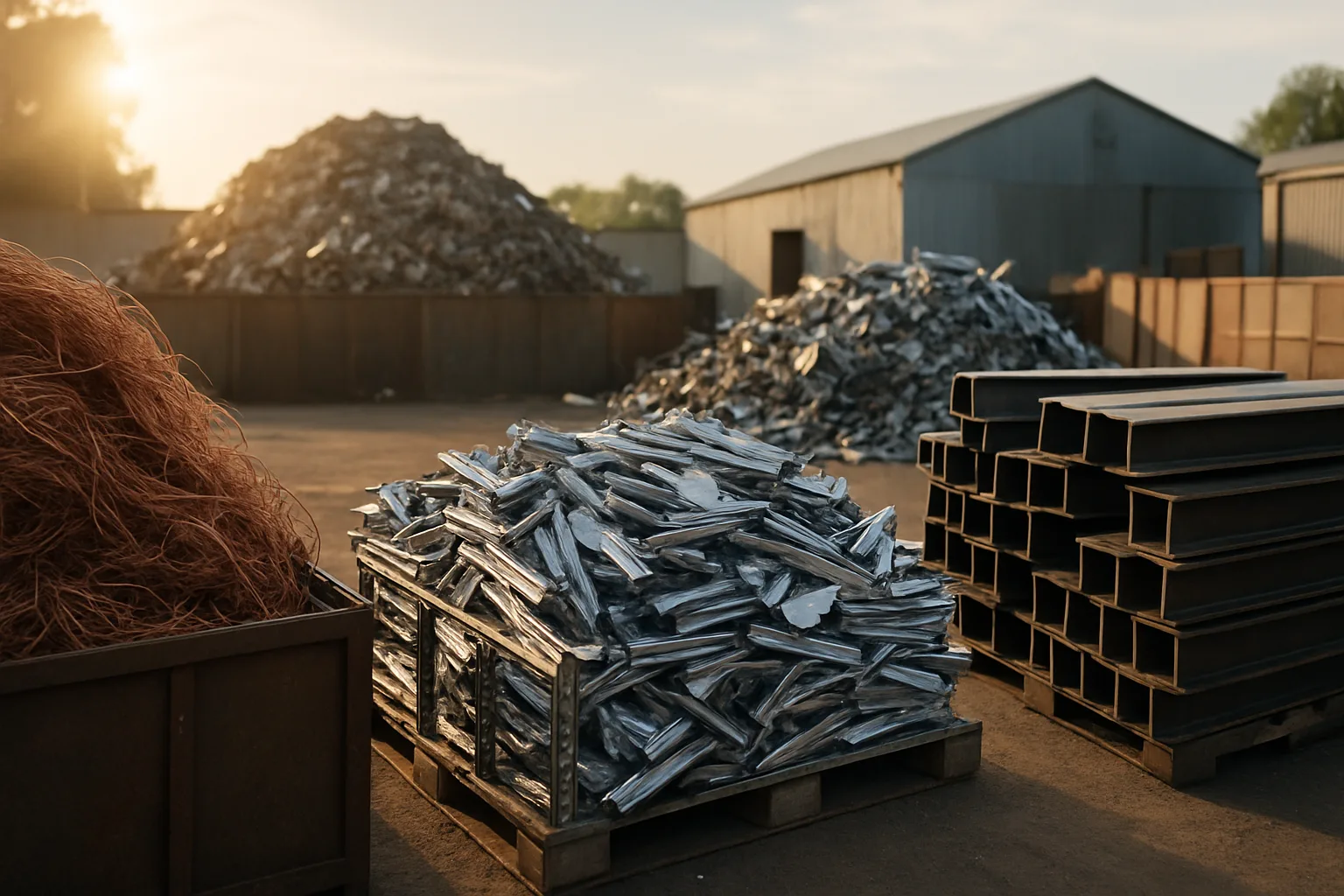
Most people drop off a load of copper pipe or an old catalytic converter and never think twice about where it goes. You got paid — done. But what actually happens to that metal after the yard buys it? Understanding the journey changes how you think about pricing, timing, and which yards are worth your business.
If you're looking for metal recycling near me Tucson, knowing what happens downstream helps you ask better questions and make smarter decisions about where you sell. This isn't just trivia. It directly affects the price you get today.
The Yard Isn't the End of the Line — It's the First Stop
When a scrap yard buys your metal, they're not the final buyer. They're an aggregator. Their job is to sort, process, and consolidate material until they have enough volume to sell to the next tier — mills, smelters, foundries, or commodity traders. That gap between what they pay you and what they ultimately get paid is their margin.
This matters because yard prices aren't arbitrary. They're set based on what the yard believes they can get when they sell the accumulated load upstream. If copper prices drop between when they buy from you and when they sell to a mill, they absorb that risk. That's part of why yards don't always move prices in real time — there's a lag built into how they manage inventory and risk.
The cleaner, more sorted, and better documented your load is, the less processing work the yard needs to do. Less work on their end often translates to better pricing on yours. That's not a rule — it's just math.
Sorting, Processing, and Grading: What Happens on the Yard Floor
Once your material hits the scale and gets logged, it goes through a grading and sorting process. Not all copper is the same. Not all aluminum is the same. #1 bare bright copper wire is worth more than insulated wire with contamination. Clean cast aluminum sits in a different pile than painted or alloyed material. Every grade has a different destination and a different value.
Ferrous metals — steel, iron — typically go through a shredder or a baler. Loose material gets compressed into dense bales or shredded into frag, which then ships to steel mills to be melted down and turned into new rebar, beams, or sheet stock. The whole cycle, from your old appliance to new construction material, can take weeks to months depending on mill demand and shipping logistics.
Non-ferrous material — copper, aluminum, brass, stainless, nickel — gets processed more carefully. It's more valuable per pound, so contamination and purity matter a lot. Some yards do basic processing on-site. Others ship it to specialized processors or directly to smelters who refine it into ingots or rod stock for manufacturing.
- Ferrous: Baled or shredded → sold to steel mills → melted into new steel products
- Copper: Sorted by grade → sold to refiners or mills → drawn into wire or rod
- Aluminum: Sorted by alloy → sold to smelters → cast into ingots or extrusions
- Catalytic converters: Sold to specialized refiners who extract platinum group metals (PGMs)
- E-scrap: Routed to certified e-waste processors for precious metal recovery
Why the Downstream Market Drives the Price You Get Today
Scrap metal prices aren't set by yards. They're set by commodity markets — the London Metal Exchange (LME), the Chicago Mercantile Exchange (CME), and domestic mill buying programs. Yards pay you a fraction of those market prices, keeping a spread to cover operating costs, processing, and transport. When mills are buying aggressively, yards compete harder for your material. When mills slow down or inventories build up, the spread widens and your price drops.
In 2026, mill demand has stayed active across several non-ferrous categories, particularly copper and aluminum, driven by ongoing infrastructure buildout and domestic manufacturing activity. That's a general trend — it doesn't mean every grade is up or that your specific load will fetch top dollar. Prices still fluctuate daily. Always check current rates before you haul.
This is exactly where platforms like compare scrap metal bids from verified buyers become genuinely useful. Instead of accepting one yard's number based on their internal spread, you put your load in front of multiple vetted buyers who are actively competing. More competition means better price discovery. It doesn't guarantee the highest price in the market, but it gives you real data instead of a guess.
If you're in the Tucson area and regularly moving non-ferrous loads, understanding this pricing chain is what separates a seller who consistently gets fair value from one who leaves money on the table every trip.
How Documentation and Transparency Affect What You Get Paid
Here's something most sellers don't realize: buyers upstream — the mills and smelters — are getting more demanding about documentation. Chain of custody requirements, compliance with theft deterrence regulations, and traceability mandates have pushed through the supply chain. Yards that can document what they received, from whom, and when, are more attractive to buyers than yards operating on paper slips and handshakes.
Arizona has active reporting requirements for certain scrap categories, including catalytic converters and copper material above certain thresholds. Tucson yards that take compliance seriously maintain detailed intake logs, require seller ID, and track serial numbers on relevant materials. If you're selling in volume, working with a compliant yard protects you too — not just the yard.
When you use a platform like SMASH, documentation is built into the workflow. Photo documentation, VIN lookups for vehicles, serial tracking for cores and cats, and auto-generated invoicing create a clean record that travels with the material. That kind of documented inventory gives buyers more confidence — and more confidence from buyers translates to competitive bids rather than lowball offers hedged against unknown risk.
For sellers doing business through Tucson scrap metal services, this documentation layer is increasingly the difference between a smooth transaction and a dispute at the scale.
What Happens to Specialty Materials: Cats, Cores, and E-Scrap
Catalytic converters don't just go in the ferrous pile. They're routed to specialized precious metal refiners who assay the platinum, palladium, and rhodium content and pay accordingly. The PGM market is volatile — prices can swing significantly week to week. Yards that hold cats in inventory and sell in volume to refiners can often get better recovery than a yard selling one-offs through a broker. That spread, again, affects what you get paid at intake.
Engine cores, transmission cores, and other remanufacturable components take a different path entirely. Some go to rebuilders rather than smelters — they're worth more as functional parts than as raw metal. If your yard is treating a rebuildable core as scrap weight, you're losing value. Know what you're bringing in and ask whether there's a better classification for it.
E-scrap — computers, circuit boards, phones — goes to certified e-waste processors. Under 2026 federal and state guidelines, e-waste handling has specific compliance requirements. Not every scrap yard accepts e-scrap, and those that do need to be R2 or e-Stewards certified to handle it responsibly. If you're find a scrap yard near you for e-waste in the Tucson area, verify certification before you drop a load.
Finding the Right Scrap Yard in Tucson and Getting Fair Market Value
Not every yard near you is processing the same way or paying the same rates. In a market like Tucson and the broader Arizona region, you have options. The question is whether you're using those options or defaulting to the most convenient call.
Start by sorting your material before you arrive. Mixed loads get processed at the lowest-grade price in the mix. Clean, separated material gets graded accurately. That alone — no investment, just organization — can improve your payout on a given load.
Second, understand what your material actually is. A lot of sellers call everything "copper" or "aluminum" without knowing the grade. Spend ten minutes learning the difference between #1 and #2 copper, or between 6061 and cast aluminum. That knowledge pays dividends every load you bring in.
Third, don't assume one call tells you the market. Use tools that give you competitive pricing. SMASH runs auction-based pricing that puts vetted buyers in competition for your load. No subscription fee. No commitment to sell. Just real bids based on real market conditions. You can also read scrap yard guides and tips to sharpen your knowledge before you show up at the scale.
Whether you're a residential seller clearing out copper wiring or a recycling business moving truckloads of aluminum extrusion, the best outcome starts with understanding the chain your material enters. Knowing what happens after the yard buys it puts you in a better position to negotiate where that chain begins — at the price they offer you.
When you're ready to sell, locate the closest scrap yard in your area and make sure you're working with buyers who can document the transaction, pay a competitive rate, and handle your material compliantly. That's the standard worth holding to.
Frequently Asked Questions
Q: What actually happens to scrap metal after a yard buys it?
After purchase, yards sort and process material by grade and type, then sell consolidated loads to mills, smelters, or specialized refiners. Ferrous metal typically goes to steel mills to be melted into new steel products. Non-ferrous material — copper, aluminum, brass — goes to refiners or commodity buyers who process it into raw industrial inputs.
Q: Does it matter which scrap yard I use for metal recycling near me in Tucson?
Yes, significantly. Different yards have different buyer relationships, processing capabilities, and compliance practices. In Tucson and across Arizona, yards with strong downstream connections and documented intake processes tend to offer better pricing on specialty materials like non-ferrous loads and catalytic converters. Shopping around — or using a competitive auction platform like SMASH — helps you get accurate market pricing rather than a single yard's number.
Q: How do I know if I'm getting a fair price for my scrap metal?
Fair pricing comes from market data and competition, not from trusting one buyer's quote. Check commodity trends for the material you're selling, sort your load before you go, and use platforms that put multiple vetted buyers in competition for your material. SMASH's auction format is built specifically to create that competition. You can also check resources at scrap-yard-near-me.com to benchmark current rates.
Q: Are there regulations in Arizona I need to know about when selling scrap?
Yes. Arizona has reporting requirements for certain materials, including catalytic converters and high-value non-ferrous metals like copper. Sellers typically need to provide ID, and yards are required to log transactions above certain thresholds. Working with a compliant yard protects you from complications and ensures your transaction is properly documented from intake through sale.
Q: Can I sell scrap metal online instead of hauling it to a yard?
For larger loads, yes. Platforms designed to help sellers sell scrap metal online — like SMASH — let you list your material, collect bids from verified buyers, and complete the transaction with documentation handled digitally. This works particularly well for non-ferrous loads, catalytic converters, and larger volumes where the price difference between one buyer and several competitive buyers is meaningful.
The scrap industry moves fast, and prices shift with commodity markets, mill demand, and material availability. The sellers who consistently get fair value aren't lucky — they understand the process, show up prepared, and use every tool available to create competition for their load. Start by knowing what you're selling, where it goes, and what it's worth. Then find the right buyer for it.
Ready to move your material? Find the best scrap yard near you — check locations at scrap-yard-near-me.com and see what your load is actually worth in today's market.
Stay ahead of scrap metal market shifts and industry news — follow SMASH on LinkedIn for regular updates, pricing insights, and practical tips for sellers and buyers across North America.