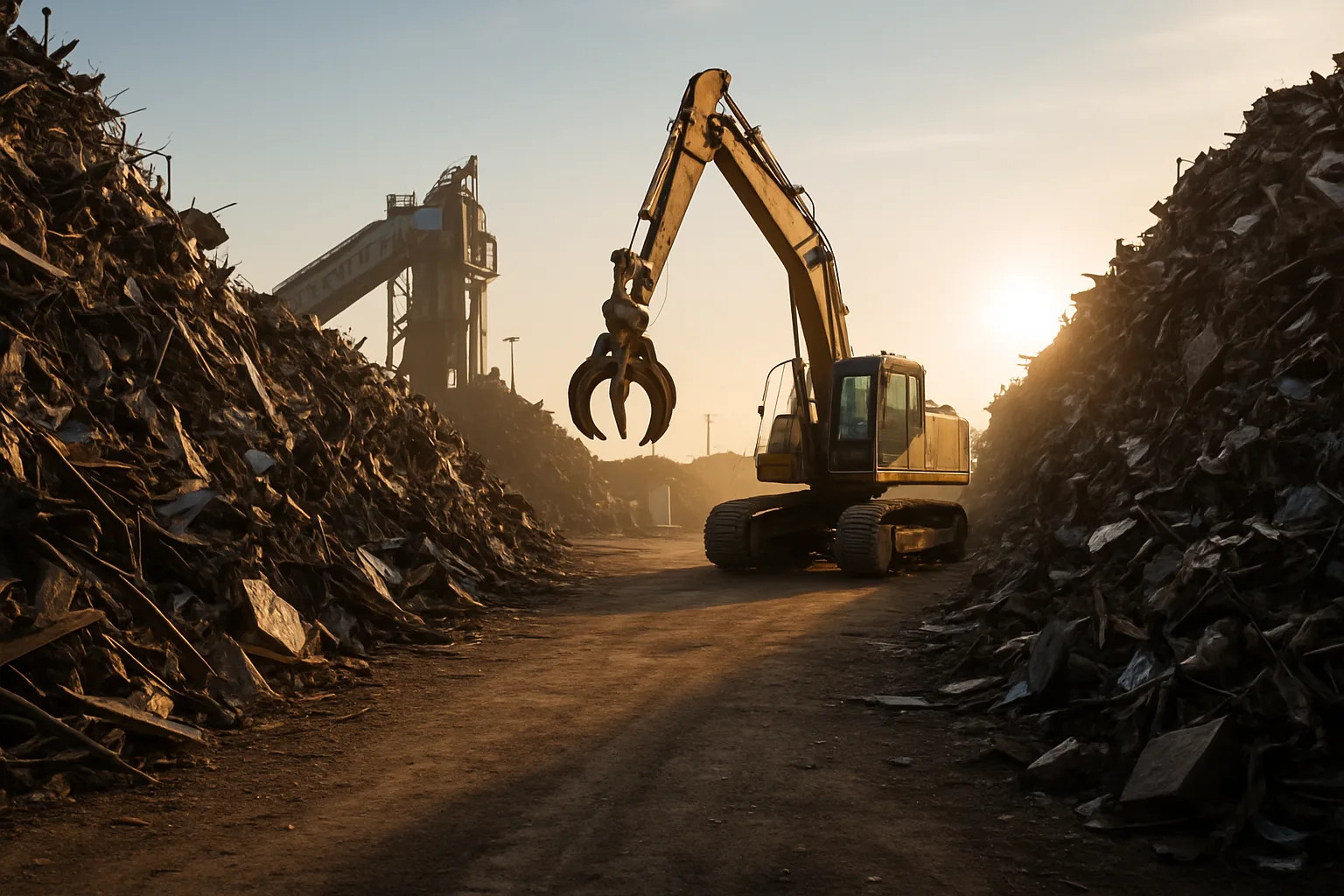
What Actually Happens to Your Metal After You Drop It Off at a Scrap Yard
Most people hand over their load, grab their ticket, and drive away without a second thought. But understanding how scrap yards process and sort metals can make you a smarter seller — and help you get better value every time you bring in a load. If you're hunting for a scrap metal buyer near me Aurora, knowing what happens on the other side of the scale matters more than you think.
This week's roundup breaks down the sorting and processing side of the industry — the part most sellers never see. We're covering how yards separate ferrous from non-ferrous, what happens to catalytic converters and cores, and why documentation and prep work on your end directly affects what buyers are willing to pay.
Ferrous vs. Non-Ferrous: The First Sort That Determines Everything
The moment metal hits the yard, it gets sorted into two fundamental categories: ferrous (iron-based) and non-ferrous (everything else). This isn't just organization — it's the foundation of how pricing works and how loads get processed downstream.
Ferrous metals include steel, cast iron, and mixed iron. They're magnetic, which makes sorting fast. A yard worker with a magnet can separate a mixed pile in minutes. Non-ferrous metals — copper, aluminum, brass, stainless, lead, and zinc — don't respond to magnets and carry significantly higher value per pound. A pound of clean copper wire pays out at a very different rate than a pound of prepared steel.
- Ferrous: Steel beams, car bodies, appliances, cast iron radiators, rebar
- Non-ferrous: Copper pipe, aluminum extrusion, brass fittings, stainless cookware, lead wheel weights
- Mixed loads: Processed further by hand sorting or mechanical separation before final grading
Yards in the Aurora, Illinois area — like most large operations in the Chicago metro — handle enormous volumes of ferrous material from construction and demolition jobs. Getting your ferrous properly separated before arrival can move you into a better pricing tier. Show up with a clean, sorted load and you skip the downgrade that mixed or contaminated metal earns.
How Yards Grade and Price What You Bring In — Scrap Yard Prices Aurora Explained
Grading isn't arbitrary. Every commodity has published grades, and yards price to those grades based on what they can realistically resell to mills and smelters. The Institute of Scrap Recycling Industries (ISRI) publishes commodity specifications that define grades — terms like #1 Copper, Bare Bright, Prepared Steel, and Zorba have specific definitions that affect what a yard will offer you.
Understanding these grades is part of the game when it comes to scrap yard prices Aurora and across Illinois. Here's a simplified breakdown of how grading affects your payout:
- Bare Bright Copper: Clean, uncoated copper wire with no insulation — highest copper grade, highest payout
- #1 Copper: Clean pipe and solids with no paint, plating, or excessive oxidation
- #2 Copper: Slightly contaminated — oxidized, painted, or with small amounts of attached material
- Insulated Copper Wire: Graded based on estimated copper recovery percentage — heavier insulation means a lower recovery rate and lower price per pound
- Mixed Non-Ferrous: The catch-all grade. You'll always leave money on the table here.
The takeaway: prep your load before you arrive. Strip insulation where you can. Separate aluminum from copper. Pull brass fittings out of steel assemblies. That work pays dividends when you step on the scale. If you're not sure what current rates look like in your area, platforms like SMASH make it easy to get competitive bids for your scrap metal before you commit to a single buyer.
Catalytic Converters, Cores, and High-Value Items — What Happens After Drop-Off
High-value items like catalytic converters (cats), starters, alternators, and copper cores get pulled from the general stream fast. These aren't processed the same way as bulk scrap — they go through a specialist assessment that looks at VIN numbers, serial tracking, and photo documentation before they move anywhere.
Why does that matter to you? Because the value of a catalytic converter depends heavily on make, model, and year — not just weight. A cat from a late-model diesel pickup pays out very differently than one from a small sedan. Yards that use proper tracking tools can verify that information quickly. Yards that don't are guessing — and they guess low to protect themselves.
This is exactly where platforms like SMASH change the math. Instead of taking one yard's word for what your cats are worth, you can put them in front of vetted buyers who specialize in that material. More eyes on your load means better price discovery. That's not hype — that's competition doing what competition does.
The same logic applies to cores — used auto parts like alternators, starters, and brake calipers that have remanufacturing value beyond their raw metal content. A core buyer values these differently than a scrap buyer. Know what you have before you decide where it goes.
The Processing Equipment That Turns Your Scrap Into Commodity
Once sorted and graded, metal gets processed into sellable commodity forms. This is the industrial side of the operation most sellers never witness. Here's what that equipment does:
- Shredders: Massive hammer mills tear apart car bodies and appliances into fist-sized chunks. The output — called shredded steel — is dense, uniform, and ready for the mill.
- Balers: Compress loose sheet metal, cans, and light gauge steel into dense bales for efficient transport. A baler turns a truckload of loose material into tightly compacted blocks.
- Alligator shears: Cut structural steel — I-beams, pipe, rebar — into mill-length pieces. If you've ever watched a hydraulic shear cut through a 6-inch beam like cardboard, you know the power these machines carry.
- Wire choppers: Chop insulated copper wire into small pieces, then separate copper from insulation using air and gravity tables. This is how yards recover copper from low-grade wire at scale.
- Eddy current separators: Use magnetic fields to separate non-ferrous metals from shredded material — pulling aluminum, copper, and zinc out of the shredder stream.
This equipment represents millions of dollars of investment. Larger yards — like the major processors operating in the Chicago metro and accessible to Aurora residents — run multiple lines simultaneously to handle volume. That processing capacity is part of why going to a legitimate, established yard matters for consistent payouts.
Why Documentation and Prep Work on Your End Affects Scrap Metal Prices Today Near Me
Here's the part most sellers skip: documentation affects price. A well-documented load — photos, weights, packing lists, BOLs for larger shipments — gives buyers confidence. Confidence means tighter bids and less risk premium baked into the offer.
If you're selling a large load or any high-value material, document it before it leaves your hands:
- Photograph the load from multiple angles before transport
- Note weights if you have a certified scale available
- Record serial numbers on cats, cores, and any tagged material
- Keep your BOLs and packing lists organized — you may need them later
This isn't bureaucratic busywork. It's the difference between a buyer who trusts your load description and one who hedges on price because they're uncertain about what they're getting. Platforms built around transparency — photo documentation, inventory tools, serial tracking — are designed to close that trust gap. That's exactly how SMASH approaches the auction process, and why vetted buyers on the platform can bid with confidence rather than caution.
When you understand what happens to your metal after drop-off, you become a better seller. You prep smarter. You sort cleaner. You document properly. And when you're ready to find a scrap yard near you in Aurora, Illinois or anywhere across the region, you show up with a load that commands better attention at the scale.
Whether you're bringing in a truckload of structural steel, a bucket of copper fittings, or a handful of cats from your shop floor, the process is the same: sort it, grade it, document it, and know what competition can do for your price. If you want to locate the closest scrap yard and understand how to make the most of every visit, start with the prep work before you ever leave your driveway. And when you're ready to go deeper on strategy, read scrap yard guides and tips that help you work the system instead of guessing your way through it.
Disclaimer: Scrap metal prices fluctuate daily based on commodity markets, regional demand, and material grade. Always check current rates directly with your local yard or through a live platform before committing to a sale.
Frequently Asked Questions
Q: How do scrap yards in Aurora, Illinois determine what they pay for my metal?
Yards base pricing on commodity grade, current market rates, and material condition. Clean, sorted loads in identifiable grades — like Bare Bright copper or prepared steel — earn better rates than mixed or contaminated material. Getting a competitive quote before you drop off helps you know if the offer is fair.
Q: What's the best way to find a reliable scrap metal buyer near me in Aurora?
Start with yards that are transparent about their grading process and pricing tiers. Ask how they handle high-value items like cats and non-ferrous metals. Platforms like SMASH connect sellers with vetted buyers across the region, giving you a competitive benchmark before you commit to one yard's offer.
Q: Do scrap yard prices in Aurora change daily?
Yes. Scrap metal prices track commodity markets — copper, aluminum, and steel all move with global supply and demand. Prices you see on Monday may be different by Thursday. Always confirm current rates the day you plan to sell, not the day before.
Q: What metals are worth the most at a scrap yard near me?
Non-ferrous metals carry the highest value per pound. Bare Bright copper typically leads the pack, followed by #1 and #2 copper, aluminum extrusion, and brass. Catalytic converters can carry significant value based on precious metal content, but grading depends on vehicle make and model — not just weight.
Q: Why does my load get downgraded at the yard even if I think it's clean?
Yards grade conservatively to protect their margins when they resell to mills. Mixed materials, light contamination, or attached non-target metals can all trigger a lower grade. The fix is to sort aggressively before arrival — separate by metal type, strip insulation where possible, and pull out anything that doesn't belong in the pile.
Ready to get more out of every load you sell? Find the best scrap yard near you and check locations across Aurora and Illinois at scrap-yard-near-me.com — because knowing where to sell is just the first step, and knowing how to sell is what makes the difference.
Stay current on market moves and industry news by following SMASH on LinkedIn — real scrap industry insights, no filler.