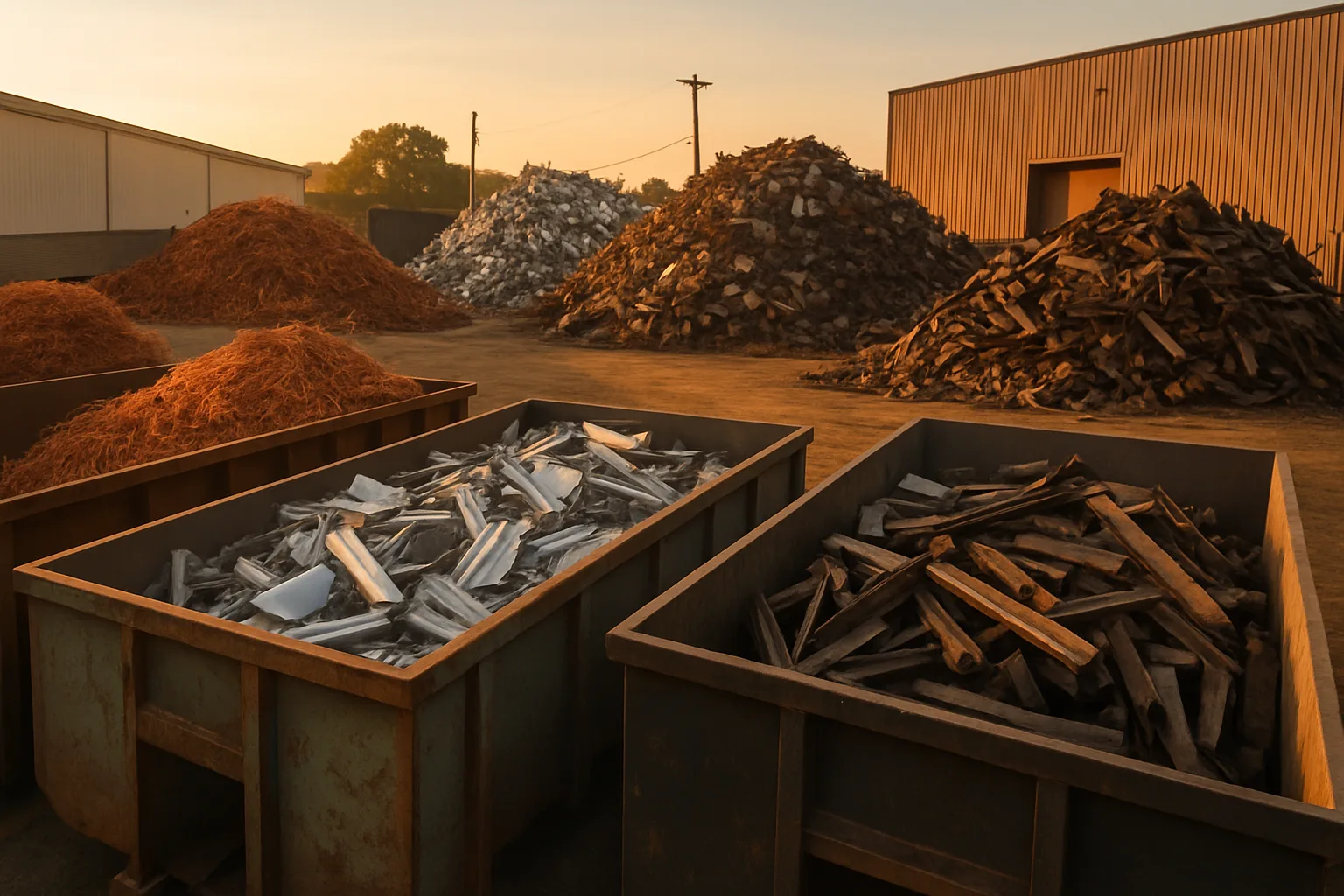
Most people pulling into a scrap yard for the first time have no idea what they're walking into. The scale catches you off guard — piles of crushed cars, forklifts moving steel, the smell of oil and rust in the air. But here's the thing: once you understand how the process works, it's straightforward. And if you live near Buffalo, New York, you're sitting in a region with serious industrial recycling infrastructure and active scrap demand. This guide walks you through exactly what to expect when you visit a metal recycling near me Buffalo facility for the first time — from what to bring to how you actually get paid.
---What to Bring Before You Even Pull In
Scrap yards aren't flea markets. They have paperwork requirements, and if you show up empty-handed, you may not be able to sell anything — especially metals with a higher theft risk. Every yard in New York is required to log seller information, and most are strict about it.
Here's what to have with you:
- Government-issued photo ID — driver's license or state ID. This is non-negotiable at virtually every yard in the state.
- Vehicle title or bill of sale — if you're scrapping a car, truck, or van, bring the title. No title, no deal at most legitimate yards.
- Proof of ownership for larger loads — some yards, especially in Buffalo, will ask for documentation on commercial loads of copper, aluminum, or catalytic converters.
- Cash preference or bank info — some yards pay cash on the spot; others write checks or use direct deposit for larger amounts. Ask ahead so you're not surprised.
If you're hauling catalytic converters — and this is a big one — expect scrutiny. Cats are high-value, high-theft items. Most yards require serial numbers, vehicle VINs, or documentation linking the cats to a vehicle you legally own. If you want to sell catalytic converters online and skip some of this friction, platforms like SMASH let you find the best price for your scrap by connecting you with vetted buyers who can price cats competitively with full documentation support.
---How the Weighing and Pricing Process Actually Works
When you pull in, you'll typically drive your vehicle onto a large industrial scale — a drive-on scale that logs your gross weight. You unload your scrap, then pull back over the scale so they can record the tare weight (your empty vehicle). The difference is your net load weight. That's what you get paid on.
Prices are quoted per pound or per ton, depending on the material. Here's the general category breakdown you'll encounter at any scrap metal buyer near me Buffalo:
- Ferrous metals (iron, steel) — lowest price per pound, but yards take large volumes. Think appliances, structural steel, car bodies.
- Non-ferrous metals (copper, aluminum, brass, stainless) — priced significantly higher per pound. Even small amounts of copper wire can add up fast.
- Catalytic converters — priced individually based on the precious metals inside (platinum, palladium, rhodium). Prices swing hard with the market.
- E-scrap and cores — alternators, starters, and other cores are often bought by weight or as individual units.
One thing that surprises first-timers: prices aren't always posted on a board at the front gate. Some yards post rates daily; others quote verbally. Ask before you unload. You have the right to know the price before you commit. If a yard is evasive about pricing, that's a red flag.
Prices change constantly — sometimes daily — based on commodity markets. The rate you saw online last week may not be what the yard is paying today. Always confirm current rates on arrival. Prices mentioned in any scrap yard guide are for general reference only and do not reflect current market rates. Always verify pricing directly with your local yard before selling.
---Navigating the Yard: Safety, Sorting, and What Yard Staff Expect From You
Scrap yards are active industrial sites. Forklifts, cranes, and heavy trucks move constantly. When you pull in, stay in your vehicle until staff direct you — don't wander. Wear closed-toe shoes. If you brought a passenger, they may be asked to wait in the vehicle or near the office depending on the yard's safety policy.
The biggest time-saver you can give yourself: sort your metals before you arrive. Most yards want non-ferrous separated from ferrous. Copper mixed in with steel will get you the steel price on everything, or the yard will separate it themselves and charge you for the labor. Either way, you lose money. Separate your aluminum, copper, brass, and stainless before loading up.
If you're visiting a junkyard near me for parts rather than to sell scrap, the process is different. Pull-a-part style yards charge an entry fee (usually a few dollars), let you walk the rows, and you pull your own parts with your own tools. Know your part numbers before you go — staff at those yards won't usually hunt parts down for you. Check if the yard has an online inventory tool before making the trip.
For Buffalo scrap metal services, the region has a mix of large commercial yards and smaller independent operations. The bigger yards near industrial corridors tend to have more competitive pricing and faster processing for large loads. Smaller independent yards can sometimes offer better attention for specialty items like non-ferrous or cats.
---What Happens After You Drop Off Your Load
Once your load is weighed and sorted, the yard generates a transaction record — sometimes called a weight ticket or a packing list receipt. Hold onto this. It documents what you sold, the weight, the price per pound, and the total payout. If there's ever a discrepancy, this is your evidence.
Payment terms vary. Small loads are usually paid out immediately — cash or check at the window. Larger commercial loads may have a short processing window or require a check mailed to you. Some yards have moved to digital payment options. Ask the yard's office what their payment process looks like before you unload your first load.
If you're a yard operator or hauler with consistent volume, it's worth building a relationship with the buyer at a specific yard — or exploring a platform that brings buyers to you. That's exactly where SMASH changes the equation. Instead of relying on one buyer with one price, SMASH creates competition between vetted buyers on your load. More buyers means better price discovery. The old way — one phone call, one price, take it or leave it — leaves money on the table.
---Selling Catalytic Converters and High-Value Items: What Buffalo Yards Will Ask
If you're bringing cats, copper, or other high-value non-ferrous materials, expect a more thorough process. New York has tightened regulations on high-theft metals, and yards operating legally in the Buffalo area follow strict protocols. This protects you as a legitimate seller — it keeps the market cleaner and the prices more stable.
For catalytic converters specifically:
- Have the VIN of the vehicle the cats came from, if possible.
- Serial numbers on the cats themselves help yards identify make, model, and precious metal content — which directly affects what they'll pay you.
- Some buyers use handheld scanners to read cat barcodes on the spot.
- If you're selling multiple cats regularly, photo documentation of each unit is becoming standard practice among serious buyers.
If navigating this in person feels like too much friction, consider exploring how to sell catalytic converters online through a platform that handles documentation, verification, and buyer competition in one place. Platforms like SMASH streamline the process with built-in photo documentation, serial tracking, and VIN lookup — meaning the buyer has confidence in what they're bidding on, and you get a cleaner transaction.
For anyone doing this at volume — yards, haulers, dismantlers — manual documentation is a liability. You want a digital record of every unit.
---How to Get the Most Out of Metal Recycling Near Me Buffalo
Whether you're a homeowner cleaning out a garage or a small business with regular scrap loads, a few habits will consistently get you better results at any yard in the region.
- Call ahead. Confirm the yard is open, confirm they accept your material type, and get a ballpark price quote. Don't assume.
- Sort before you go. Separation equals better payouts. Every time.
- Bring documentation. ID, title if applicable, any paperwork that establishes ownership.
- Shop around on price. One yard's price for aluminum isn't necessarily another's. Especially for large loads, it pays to make two calls.
- Track your weights. Keep a log of what you sold, when, and at what price. Over time this data is useful — you'll know when prices are up and when to hold.
- Consider online platforms for volume selling. If you're moving consistent loads of non-ferrous, cats, or specialty materials, auction-style platforms bring buyers to you instead of the other way around.
The metal recycling New York market is active and competitive. Buffalo's location — close to industrial corridors, steel-producing regions, and major transport routes — means there's real buyer demand for quality scrap. Use that to your advantage.
To find a scrap yard near you and start comparing options in the Buffalo area, check the location directory at scrap-yard-near-me.com. If you want to go beyond walk-in pricing and get real market competition on your loads, you can also locate the closest scrap yard and combine that with an online platform that works in your favor. Want more guidance on navigating the recycling market? Read scrap yard guides and tips to stay sharp on what each material is worth and how to document your loads properly.
The scrap business rewards the prepared seller. Know your material, know your price, and know your options. If you're in Buffalo and ready to put that into practice, find the best scrap yard near you — check locations at scrap-yard-near-me.com and start comparing what's available in your area today.
---Frequently Asked Questions
Q: What do I need to bring to a scrap yard for the first time in Buffalo?
At minimum, bring a government-issued photo ID. If you're scrapping a vehicle, bring the title. For high-value materials like catalytic converters or copper, be prepared to provide documentation showing ownership. New York yards are required to log seller information, so don't show up empty-handed.
Q: How do scrap yards determine what they pay for metal recycling near me in Buffalo?
Yards price based on current commodity market rates, material type, and load quality. Ferrous metals like steel pay less per pound than non-ferrous metals like copper or aluminum. Catalytic converters are priced individually based on their precious metal content. Prices change frequently — always confirm rates on the day you visit.
Q: Can I sell catalytic converters at a junkyard near me in Buffalo?
Yes, most scrap yards and metal recycling facilities accept catalytic converters. Expect to provide documentation — VIN numbers, serial tracking, or proof of ownership — especially in New York where regulations on high-value metals are strict. If you want to compare prices across multiple buyers, platforms like SMASH let you sell catalytic converters online with full documentation support.
Q: Is it worth sorting my scrap metal before visiting a yard?
Absolutely. Yards pay based on material type, and mixed loads often get downgraded to the lowest-value material in the mix. Sorting aluminum, copper, and steel separately before you go means you get paid the correct rate for each material. It takes 20 minutes at home and can make a real difference in your payout.
Q: What's the difference between a scrap yard and a junkyard for parts in Buffalo?
A scrap yard buys metal by weight — they pay you for raw material. A junkyard or auto salvage yard lets you pull usable parts off vehicles, and you pay them. Some facilities do both. If you're searching for a junkyard downtown for a specific part, call ahead and ask if they have an online inventory — it saves you a wasted trip.
---Follow SMASH on LinkedIn for ongoing scrap metal market insights, industry updates, and tips for getting the most out of every load you sell.