Stop Leaving Money on the Table Before You Even Pull Into the Yard
Most people show up to a junkyard with a truckload of mixed metal and walk away wondering why the payout felt low. The answer usually isn't the yard's fault. It's the prep — or the lack of it. If you're hunting for a junkyard near me Dearborn and you want top dollar, what you do before you arrive matters just as much as where you go.
This isn't complicated. But it does take 30 minutes and some basic knowledge. The yards paying the best prices want clean, sorted, documented loads. Give them that, and you're no longer guessing at what you'll walk away with.
Why Scrap Prep Directly Affects Your Payout
Here's how yards see it: a sorted load is an easy load. When a buyer can look at your material and immediately classify it — copper, aluminum, cast iron, mixed steel — they can price it fast and with confidence. When they can't, they default to the lowest common denominator. That's almost always the worst price in the pile.
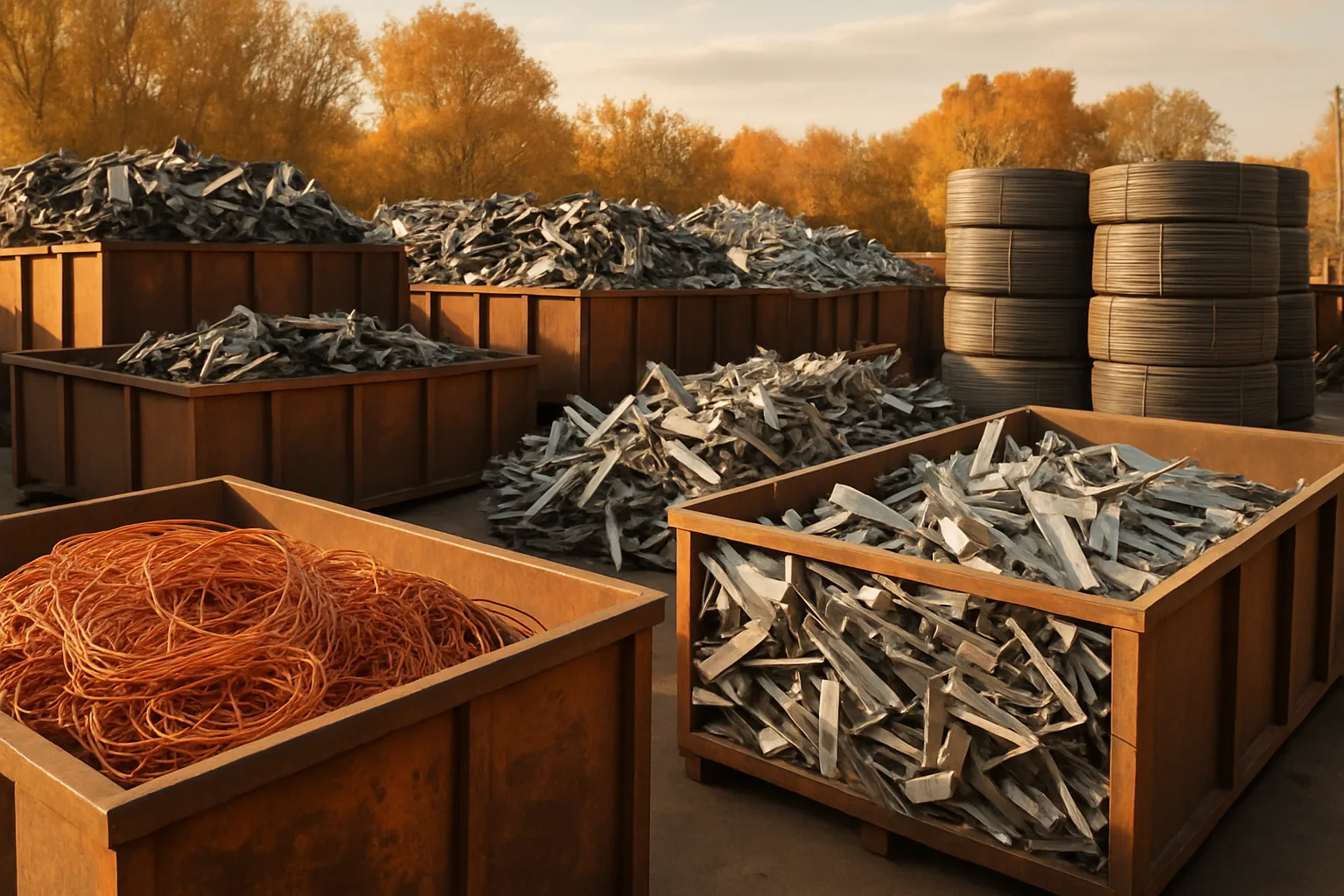
Yards in Dearborn and across Michigan are running competitive operations. They're not trying to shortchange you, but they're also not going to do your sorting for free. A mixed load gets priced as mixed scrap. A sorted load gets priced by grade. The difference between "mixed metals" and properly separated copper wire, aluminum rims, and clean cast iron can be significant — and it goes straight into your pocket if you do the work.
- Mixed loads get a blended, conservative price.
- Sorted loads get graded by material type — usually higher per pound.
- Documented loads (photos, weight estimates, VINs for vehicles) give buyers more confidence and can attract better offers.
- Contaminated material — oil, insulation, attachments — gets downgraded or rejected entirely.
The prep work is where the money is made. Think of it as the last step in getting paid, not a chore to skip.
How to Sort and Grade Your Metal Before You Go
You don't need to be a metallurgist. You need to know a few basic categories and keep them separate. Start with the obvious splits: ferrous vs. non-ferrous. Ferrous is anything magnetic — steel, cast iron, tin. Non-ferrous is everything else — copper, aluminum, brass, stainless steel. These two categories alone should never ride in the same bin.
From there, break it down further if you can:
- Copper — #1 bare bright, #2 copper, insulated wire. Strip wire if you have time. Insulated wire pays less per pound than bare copper.
- Aluminum — rims, cast aluminum, extrusion, cans, sheet. Keep these separate — they all have different grades.
- Brass — valves, fittings, plumbing fixtures. Pull it from mixed loads. It's worth the effort.
- Stainless steel — doesn't rust, not magnetic. Don't mix it with regular steel.
- Cast iron — engine blocks, rotors, manhole covers. Usually priced separately from light iron or prepared steel.
- Light iron and steel — appliances, sheet metal, structural steel. Flatten or bundle where you can to make weighing cleaner.
If you're dealing with auto parts — auto recycling yard Dearborn customers especially — catalytic converters are their own category entirely. Never throw a cat in with your mixed steel. Serial tracking and proper documentation matter here. Platforms like smashscrap.com use VIN lookup and serial tracking specifically to help sellers document these parts properly before they go to market.
Scrap Metal Inventory Management: Document What You Have
This step separates the hobbyist from the serious seller. Scrap metal inventory management doesn't mean a spreadsheet with 40 columns. It means knowing what you have, roughly how much of it, and being able to show a buyer quickly. A photo on your phone. A rough weight estimate by material type. A note on where the metal came from if it matters — estate cleanout, demo job, auto dismantling.
Why does documentation help? Because it gives buyers confidence. A buyer who can see photos of a clean load, knows the rough tonnage, and understands the material source can price it more aggressively than a buyer who's guessing. This is exactly the logic behind platforms like SMASH — SMASH is built around the idea that documented inventory attracts better offers because it removes uncertainty from both sides of the transaction.
Even if you're just doing a one-time cleanout load, take five minutes to document:
- Photos of sorted piles by material type
- Estimated weight per category (even rough estimates help)
- Any certificates, titles, or BOLs if you're moving vehicles or large commercial loads
- Serial numbers or VINs on catalytic converters, engines, or cores
Yards that see a seller walk in organized are more likely to work with them on pricing. That's just human nature and good business on both sides.
What to Remove Before You Arrive (And What to Never Mix)
Contamination kills value fast. A load of copper pipe with plastic fittings still attached doesn't weigh the same as clean copper. A pile of aluminum castings with steel bolts still in them will get sorted against you. Clean your material before you go — not at the scale.
Here's a quick list of what to strip, remove, or separate before you pull into the yard:
- Plastic and rubber from wire, pipe fittings, and hoses
- Steel hardware from aluminum or copper pieces
- Oil and fluids from engine blocks, transmissions, and hydraulic parts
- Glass from vehicle shells before dropping a car
- Batteries — these are handled separately; many yards buy them but as their own category
- Refrigerants — compressors and AC units must be drained by a certified tech before most yards will accept them
In Dearborn and throughout Michigan, yards follow state environmental guidelines on hazardous materials. If you show up with a fluid-filled transmission or a Freon-loaded AC compressor, don't be surprised if the yard turns it away or charges a handling fee. Prep ahead and avoid the headache.
Timing Your Visit and Checking What's Open Near You
You've sorted the load, documented it, stripped the contamination. Now the last variable: when and where to go. Not all yards are open the same hours, and not all of them buy every material type on every day. Showing up with a load of copper wire to a yard that only buys ferrous on Saturdays is a wasted trip.
Before you load the truck, check hours and material acceptance. Search for scrap yards open today near my location to confirm who's buying what. Call ahead if you're bringing a large load or an unusual material. Yards appreciate the heads-up, and you'll avoid arriving at a closed gate or a full receiving dock.
If you're in the Dearborn area and working with auto parts or a vehicle, check whether the yard handles title transfers on-site. Some do, some don't. Having your paperwork ready avoids delays at the scale house. You can also find a scrap yard near you that matches your material type before you leave the driveway.
Timing also matters seasonally. Scrap prices move with commodity markets — steel, copper, and aluminum all fluctuate based on manufacturing demand, trade conditions, and global supply. Mid-2026 markets have seen continued volatility across non-ferrous categories. Check current rates before you commit to a sale date. More buyers in the room means better price discovery — which is the whole premise behind competitive auction platforms like SMASH.
If you want to locate the closest scrap yard and compare your options before visiting, doing that research ahead of time puts you in a stronger position. You'll know who pays what, what they accept, and when they're open — before you load the truck.
Use Competition to Your Advantage
One buyer, one phone call, one price — that's the old way. It still happens every day, and it consistently leaves money on the table for sellers who don't know better. If you're selling a substantial load — multiple tons of non-ferrous, a fleet of vehicles, a commercial demolition haul — you should never accept the first number without knowing what the market is doing.
This is where platforms like SMASH change the game for recycling yards and serious sellers. Instead of calling one buyer and hoping the price is fair, competitive auctions put your documented load in front of vetted buyers and let the market respond. More buyers means better price discovery. That's not a sales pitch — it's basic economics.
Even if you're just doing a one-time neighborhood cleanout in Dearborn, understanding that competition exists — and knowing how to access it — is worth knowing. The read scrap yard guides and tips section has more on how to navigate the selling process, whether you're a first-timer or a yard operator running regular loads.
Prep your load. Sort it clean. Document what you have. Show up to the right yard at the right time. That's the whole formula. When you're ready to find your next stop, find a scrap yard near you at scrap-yard-near-me.com — it's the fastest way to match your material with a buyer who's actually open and buying today.
Frequently Asked Questions
Q: What should I bring when visiting a junkyard near me in Dearborn?
Bring a valid government-issued ID — most yards in Michigan require it for any metal transaction. If you're selling a vehicle, bring the title. For catalytic converters or cores, have serial numbers or documentation ready. Organized, pre-sorted loads move through the scale house faster and with fewer questions.
Q: How do I know if I'm getting a fair price at an auto recycling yard in Dearborn?
Check posted prices online or call ahead to compare rates at two or three yards before committing to a trip. Commodity prices change daily, so a quick check before you go prevents surprises. For larger loads, competitive platforms like SMASH can help reveal what the broader market is offering — more buyers means better price discovery.
Q: Does sorting my scrap metal actually make a difference in payout?
Yes — significantly. Mixed loads get priced conservatively because the yard has to account for sorting costs and material uncertainty. A sorted load of clean copper, separate aluminum, and stripped wire gets graded individually, and those individual grades almost always add up to more than a mixed-metal price. The time investment is usually worth it.
Q: Are scrap yards open on weekends near Dearborn?
Many are, but hours vary by yard and by day. Saturday hours are common; Sunday hours are less predictable. Always confirm before loading your truck — search for scrap yards open today near your location or call the yard directly. Some yards also reduce the material types they accept on weekends, so ask about your specific material.
Q: Do I need to drain fluids before bringing a car or engine to a scrap yard?
Most yards in Michigan require it, or they'll handle it and deduct the cost from your payout. Draining fluids yourself before arrival typically gets you a better net price and speeds up the process. Refrigerants in AC compressors must be removed by a certified technician before most yards will accept the unit — check with your specific yard ahead of time.
Scrap metal prices fluctuate based on commodity markets and local demand. Always verify current rates directly with your yard before selling. Information in this article reflects general market conditions as of July 2026.
Stay current on scrap metal market trends and industry news by following SMASH on LinkedIn: follow SMASH on LinkedIn for weekly insights, price movement updates, and tips for getting more out of every load.