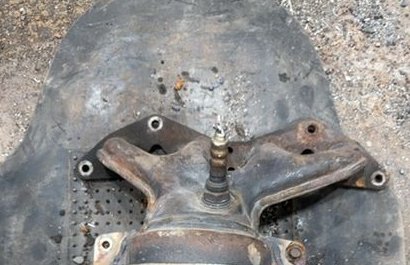
Catalytic converters are small, heavy, and worth more than most people expect. If you've ever dropped one off at a scrap yard and walked away wondering whether you got a fair deal, you're not alone. The precious metals inside — platinum, palladium, and rhodium — make cats one of the most volatile and highest-value items in the scrap recycling world. Understanding how yards handle them can mean the difference between leaving money on the table and getting what your material is actually worth.
This week's market recap breaks down how catalytic converter recycling actually works at the yard level, what happens to the precious metals inside, and how to position yourself — whether you're a first-timer or a yard operator moving volume — to get better price discovery on every load. If you're in the Detroit metro and looking for the best scrap yard Dearborn has to offer for cats and non-ferrous material, this one's for you.
---Why Catalytic Converters Are Treated Differently Than Other Scrap Metal
Walk into any scrap yard with a load of copper or aluminum, and the process is straightforward. They weigh it, check the grade, hand you a price. Catalytic converters don't work that way. Yards treat them as a separate category entirely — and for good reason.
The value isn't in the steel shell. It's in the ceramic honeycomb substrate inside, which carries trace amounts of platinum group metals (PGMs): platinum, palladium, and rhodium. Those metals are recovered through a smelting and refining process that happens downstream, at specialized processors — not at the scrap yard itself. That means the yard is quoting you based on what they expect to recover, not what they've already verified. That lag in the price chain is why so many sellers feel uncertain about what they're being offered.
Because of this, reputable yards use serial number databases and photo documentation to identify specific converter types before quoting. Each converter has a known PGM profile based on the vehicle it came from. A cat from a diesel truck reads differently than one from a late-model hybrid. If a yard is quoting you the same flat rate for everything in your box, that's worth questioning.
---The Role of Documentation: Serial Tracking and Photo Records in Catalytic Converter Sales
Theft of catalytic converters has driven major regulatory changes across Michigan and the broader Midwest over the past several years. Most yards operating in the region now require documentation before they'll purchase cats — particularly in volume. That means government-issued ID, vehicle information if available, and in many cases, photo records tied to the transaction.
This isn't just about compliance. It's about building a paper trail that protects both the seller and the yard. If you're bringing in a load as a legitimate recycler or auto dismantler, having clean documentation actually speeds up the transaction. It also gives buyers downstream more confidence in the material, which can help with pricing.
Platforms like get competitive bids for your scrap metal — SMASH specifically — use serial tracking and photo documentation as part of their listing process. When buyers can see exactly what they're bidding on, competition goes up. That's better price discovery for the seller, full stop. If you're moving volume out of the Dearborn area and you're not documenting your cats properly, you're likely leaving money behind.
- Serial number tracking identifies the specific converter type and its known PGM content
- Photo documentation shows condition — cracked substrate, missing baffles, and damage all affect value
- Vehicle info (VIN lookup) confirms origin and helps with regulatory compliance
- Packing lists matter for volume loads — buyers want to know what they're bidding on before they commit
How Precious Metal Prices Drive What Scrap Yards Pay for Cats
Rhodium, palladium, and platinum prices move. A lot. That volatility flows directly into what yards will pay for converters on any given day. When palladium spikes, cat prices follow. When rhodium collapses — as it did in previous market cycles — yields drop hard. This is the weekly market reality that every recycler working in non-ferrous material has to track.
As of September 2026, PGM markets remain active but variable. We're not going to publish specific prices here because they change daily and any number we print today could be wrong by Tuesday. What matters more is understanding the structure: yards quote cats based on a percentage of the downstream refinery return, minus processing costs. The spread between what a yard pays you and what the refiner ultimately recovers is how the yard makes margin on this material.
Disclaimer: Catalytic converter prices fluctuate based on daily PGM spot prices. Always confirm current rates directly with your yard or processor before selling.
This is exactly why competitive auctions work well for cats. When multiple vetted buyers compete on the same documented load, the market sets the price — not one buyer's margin assumptions. If you're only calling one buyer, you're not discovering the market. You're accepting someone else's estimate of it. To understand current scrap pricing dynamics more broadly, read scrap yard guides and tips on our blog for updated context.
---Finding the Best Scrap Yard in Dearborn for Catalytic Converters and Non-Ferrous Metal
Dearborn sits at the center of one of the densest auto recycling corridors in North America. With Ford's manufacturing legacy, a deep network of dismantlers, and proximity to Detroit's industrial base, Michigan yards — particularly those in the Wayne County area — see heavy volume in automotive scrap, cores, and non-ferrous material including cats.
If you're searching for a scrap yard near me Dearborn specifically for catalytic converter recycling, here's what to look for in a reputable operation:
- They identify your converters by serial number or type before quoting. A flat-rate buyer isn't doing the work to maximize your return.
- They have clear documentation requirements. This protects you legally and signals the yard is operating above board.
- They quote you the same day — or explain why they need to send samples upstream first. Transparency on timing matters.
- They're open when you need them. If you're searching for scrap yards open today on Sunday, call ahead — hours vary significantly by location, and Sunday availability in the Dearborn metro isn't universal.
- They work with volume sellers, not just walk-ins. If you're a dismantler or recycler moving regular loads, you need a buyer relationship, not a one-time transaction.
To find a scrap yard near you in the Dearborn and greater Detroit area that handles catalytic converters, use our locator to filter by material type and hours. Don't waste a trip to a yard that won't buy what you're bringing in.
---SMASH and the Competitive Auction Approach to Catalytic Converter Sales
The old way of selling cats: call your guy, get a number, take it or leave it. Maybe you shop it to one or two other buyers if you have the time. Most sellers don't. They take the first number that sounds reasonable and move on.
SMASH was built to break that pattern. The platform connects sellers — yards, dismantlers, recyclers — with vetted buyers who compete on documented loads. For catalytic converters specifically, that means listing your material with photos, serial tracking, and accurate condition notes, then letting the market respond. More buyers means better price discovery. That's not a promise of higher prices — it's a structural improvement over a single-call process that favors the buyer.
No subscription fees. SMASH only wins when the seller wins. If you're moving cat volume out of Dearborn or anywhere across Michigan and you're still relying on one buyer relationship, it's worth understanding what a competitive bid process looks like. You can locate the closest scrap yard for drop-off, and use SMASH on the auction side to maximize what your documented loads return.
The two approaches aren't mutually exclusive. Local yards handle the physical intake and compliance side. Competitive platforms handle price discovery on the commodity side. Use both.
---Weekly Market Recap: What Catalytic Converter Sellers Should Watch This Week
This week's roundup for the week ending September 20, 2026:
- PGM volatility remains the dominant variable. Track rhodium and palladium spot prices before committing to any large-volume sale. One day can shift your yield materially.
- Regulatory compliance is non-negotiable in Michigan. Documentation requirements for cat purchases remain strict. Make sure your paperwork is clean before you show up at the yard.
- Sunday yard availability varies widely. If you need to move material today, call before you drive. Many yards in the metro area operate reduced Sunday hours or are closed entirely.
- Volume sellers benefit most from competitive bidding. If you're moving more than a few units, a single-buyer model is a structural disadvantage. Documented loads on competitive platforms consistently attract more qualified bids.
- Condition matters more than quantity for cats. A cracked substrate or missing baffles changes the yield profile. Accurate condition documentation protects your credibility with buyers — and your return.
The scrap market doesn't care what you think your material is worth. It cares what vetted buyers will pay when they see accurate documentation and compete for the load. Build your process around that reality and you'll consistently get better outcomes than sellers who don't.
---Frequently Asked Questions
Q: What is the best scrap yard in Dearborn for selling catalytic converters?
The best scrap yard in Dearborn for cats is one that identifies converters by serial number or type before quoting, has clear documentation requirements, and works transparently on pricing. Use our locator at scrap-yard-near-me.com to find verified yards in the Dearborn area that handle non-ferrous material and catalytic converters specifically. Always call ahead to confirm they're buying cats and what documentation they require.
Q: Are there scrap yards open today on Sunday near Dearborn, Michigan?
Some yards in the Dearborn and greater Detroit metro area do operate on Sundays, but hours are reduced and availability varies by location. Sunday is not a standard full-operating day for most Michigan scrap yards. Always call the yard directly before making the trip — our locator shows hours where available.
Q: How do scrap yards determine the value of a catalytic converter?
Yards price cats based on the type and condition of the converter, which determines the estimated precious metal content — primarily platinum, palladium, and rhodium. They use serial number databases to identify the specific unit and its known PGM profile. Prices fluctuate daily based on spot markets, so what a yard quotes today may differ from what they quote next week.
Q: Do I need documentation to sell catalytic converters at a scrap yard?
Yes, in Michigan and most states, yards are required to collect identification and in many cases vehicle documentation before purchasing catalytic converters. This is a compliance requirement tied to theft prevention regulations. Bring a valid government-issued ID and, if you have it, documentation showing where the converter came from.
Q: How does SMASH work for selling catalytic converters?
SMASH is an auction platform that connects sellers with vetted buyers who compete on documented loads of scrap metal and cores, including catalytic converters. Sellers list their material with photos, serial tracking, and condition notes. Buyers bid competitively, which can improve price discovery compared to a single-buyer process. There are no subscription fees — the platform earns when the seller does.
---If you're ready to stop guessing and start getting real market feedback on your catalytic converters and non-ferrous material, start by knowing your options. Get competitive bids for your scrap metal through SMASH, and use scrap-yard-near-me.com to find a trusted local yard that handles your material type. The best scrap yard near you is the one that pays fairly, operates transparently, and treats your load like it matters — find it at scrap-yard-near-me.com.
Stay sharp on market shifts and industry news — follow SMASH on LinkedIn for weekly scrap metal market insights and updates from inside the recycling industry.