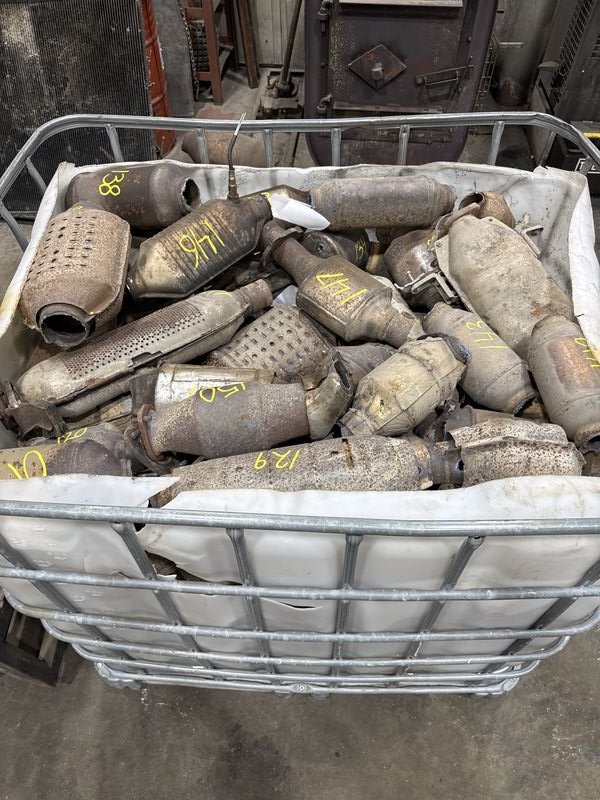
Catalytic converters are worth more than most people realize — and scrap yards know it. If you've ever wondered why auto recycling facilities treat cats differently from a pile of sheet steel, the answer comes down to three words: platinum, palladium, rhodium. These precious metals sit inside every catalytic converter, and how a scrap yard handles them tells you a lot about how seriously that facility runs its operation.
Whether you're a yard operator in Spokane, Washington trying to tighten up your intake process, or an individual seller trying to get a fair price for a cat off a junked vehicle, understanding the compliance and handling requirements in 2026 is not optional. Regulations have gotten sharper. Buyers have gotten smarter. And the old way of eyeballing a cat and throwing out a lowball number doesn't work anymore — for anyone.
If you're searching for a junkyard near me Spokane, this guide will help you find the right facility and understand what to expect when precious metals are involved. Let's get into it.
Why Catalytic Converters Get Special Treatment at Scrap Yards
A catalytic converter isn't scrap metal in the traditional sense. The outer shell is steel. But the honeycomb substrate inside — the part that actually does the emissions work — is coated with platinum group metals (PGMs): platinum, palladium, and rhodium. These are some of the most valuable materials on earth by weight. Even a single cat can contain a meaningful concentration of recoverable PGMs, which is why the secondary market for them is enormous.
That value is also why catalytic converter theft has driven federal and state-level regulatory responses. Washington state, like many others, now requires scrap yards to collect detailed documentation before purchasing any cat. Most facilities require:
- Government-issued photo ID from the seller
- Proof of vehicle ownership (title or registration) if the cat came from a vehicle you own
- VIN documentation tied to the vehicle the cat was removed from
- Serial number or part number recording where possible
- Payment by check or electronic transfer — not cash — for cats above certain thresholds
These rules exist to create a paper trail. If a stolen cat enters the supply chain, law enforcement can trace it back. Yards that skip this documentation aren't just cutting corners — they're taking on real legal exposure. Legitimate auto recycling facilities in Spokane and across Washington take this seriously.
How Scrap Metal Inventory Management Keeps Yards Compliant
Handling catalytic converters at scale requires more than a clipboard and a handshake. Modern scrap metal inventory management tools track every unit that comes through the gate — serial numbers, photos, seller information, condition notes, and linked vehicle VINs. This isn't just about compliance. It's about knowing what you have, what it's worth, and being able to prove both.
Platforms like get competitive bids for your scrap metal are changing how yards document and move catalytic converter inventory. Photo documentation, serial tracking, and vetted buyer networks mean the yard isn't just guessing at value or calling one contact and hoping for the best. More buyers seeing your documented inventory means better price discovery. That's basic market logic.
Good inventory management also protects the yard when regulators show up — and in Washington, they do show up. Having a clean chain of custody for every cat in your facility is the difference between a smooth inspection and a serious problem. If your yard is still running cats through a paper log or a spreadsheet with no photos, that's a risk you're carrying unnecessarily.
What Sellers Need to Know Before Bringing Cats to a Junkyard Near Me Open Now
If you're an individual seller looking for a junkyard near me open now that handles catalytic converters, there are a few things you need to bring and a few things you need to understand before you show up.
Bring documentation. No legitimate yard in Spokane will buy a cat without verifying your identity and confirming the cat's origin. Have your driver's license and your vehicle title or registration ready. If you don't have those documents, most yards will turn you away — and they should.
Here's what typically affects the value a yard will offer:
- Cat type and OEM part number — Different vehicles produce different concentrations of PGMs. A cat from a high-end European vehicle or a diesel truck is typically worth more than a standard economy cat.
- Condition — Damaged, crushed, or tampered substrates reduce recoverable PGM content and lower the offer price.
- Market rates for PGMs — Platinum, palladium, and rhodium prices fluctuate with global demand. What a cat was worth six months ago may be different today. Always check current rates before you commit to a sale.
- Volume — Yards typically pay more per unit when you're moving multiple cats at once. Single units get less leverage.
Prices fluctuate significantly. Always confirm current rates directly with the yard before finalizing any transaction. This is especially true for PGM-based commodities, where spot prices can move sharply within weeks.
How Spokane Auto Recycling Yards Process Precious Metal Recovery
Once a catalytic converter clears intake — documentation verified, ID recorded, VIN matched — most auto recycling yard Spokane facilities sort cats by type before they go anywhere. Processors and refiners who actually extract the PGMs want sorted, consistent loads. A mixed pallet of random cats is harder to price accurately than a load sorted by vehicle type, OEM code, or condition grade.
Larger yards accumulate enough volume to ship full loads directly to specialized processors. Smaller yards often consolidate through intermediary buyers or regional cat dealers. Either way, the cats eventually reach a de-canning or smelting operation where the substrate is separated, ground, and assayed to measure actual PGM content. The refiner's assay is typically the final arbiter of value for high-volume loads.
For Spokane scrap metal services, working with facilities that use documented intake processes matters. A yard that photographs every cat, records the serial number, and ties it to a verified seller is a yard that takes its obligations seriously — to regulators, to buyers, and to you.
The best facilities in the region are also connected to competitive buyer networks rather than relying on a single processor relationship. A yard locked into one processor for its cats is leaving money on the table — potentially significant money, depending on current PGM markets. Competition between buyers is how sellers and yards both discover actual market value instead of accepting whatever one buyer decides to offer.
What the 2026 Regulatory Landscape Means for Scrap Yards and Sellers
Catalytic converter regulations have continued to tighten heading into 2026. Federal efforts have pushed for stronger national standards around cat purchasing documentation, and states like Washington have layered additional requirements on top of those. The goal is consistent: reduce theft by making the secondary market harder to exploit anonymously.
For legitimate sellers and yard operators, these rules are actually a feature, not a burden. They push out bad actors who were undercutting honest operations. They create a more stable, documented market. And they give buyers — including downstream processors — more confidence in the inventory they're purchasing.
SMASH supports this kind of transparency. Documented inventory, verified sellers, and competitive buyer access aren't just compliance tools — they're how you run a professional operation. If you want to find a scrap yard near you that handles cats correctly and pays fairly, look for facilities that ask the right questions at intake. The ones that don't ask are the ones you should avoid.
Yards using platforms like SMASH benefit from structured inventory tools that make compliance easier — not harder. Serial tracking, photo documentation, and auto-invoicing mean less manual work and a cleaner paper trail. That's worth something when regulators are paying attention and buyers are scrutinizing load quality before they bid.
How to Find a Trusted Scrap Yard in Spokane for Catalytic Converters
Not every yard that advertises as an auto recycling facility in the region has the infrastructure to handle catalytic converters properly. Before you drive across town, do a few quick checks:
- Call ahead and ask about their cat intake process. A legitimate yard will have a clear answer. If they can't explain their documentation requirements, move on.
- Ask how they determine price. Yards that use current PGM market data and compare multiple buyer offers give you a more honest number than yards relying on a fixed internal rate.
- Check their reputation for compliance. Washington state licensing information and online reviews can tell you a lot about how a facility operates.
- Ask whether they photograph and record serial numbers at intake. If they don't, that's a red flag — for you and for anyone who might later question where that cat came from.
If you're ready to locate the closest scrap yard handling catalytic converters in your area, use a trusted directory that screens for licensed, reputable operations. Don't settle for the first result that shows up — the right yard protects you as much as it benefits from your business.
Want deeper guidance on selling metal and navigating yard processes? Read scrap yard guides and tips built for sellers who want to understand the market before they walk through the gate.
The scrap industry is more transparent than it used to be. Regulations are tighter, documentation is expected, and buyers have more tools to evaluate what they're purchasing. Whether you're a yard operator in Spokane managing a weekly load of cats, or an individual seller trying to get fair value for a single unit, the best move is working with facilities and platforms that treat documentation as standard practice — not an obstacle. Find the best scrap yard near you at scrap-yard-near-me.com and start with a yard that runs a clean operation.
Frequently Asked Questions
Q: What do I need to bring when selling a catalytic converter to a junkyard near me in Spokane?
Most scrap yards in Spokane require a government-issued photo ID and proof of vehicle ownership — typically a title or registration tied to the vehicle the cat came from. Washington state regulations also require yards to record seller information and, in many cases, issue payment by check rather than cash above certain transaction thresholds. Call ahead to confirm the exact requirements for the specific facility you plan to visit.
Q: How do scrap yards determine what a catalytic converter is worth?
Value is based on the type of cat, the OEM part number, the condition of the substrate, and current market prices for platinum, palladium, and rhodium. PGM prices fluctuate with global commodity markets, so what a cat was worth last month may not reflect today's rate. Always confirm pricing directly with the yard before you commit to a sale — prices fluctuate and rates change frequently.
Q: Can I sell a catalytic converter without a vehicle title in Washington?
Requirements vary by yard and depend on the specific circumstances of the transaction. Most legitimate facilities in Washington will ask for documentation connecting you to the vehicle the cat came from. Selling without documentation is a red flag for reputable yards, and they may decline the purchase to stay compliant with state law. Contact the specific yard directly to understand their current intake policy.
Q: Is there a junkyard near me open now in Spokane that accepts catalytic converters?
Operating hours vary by facility. Your best approach is to use a local scrap yard directory to find facilities in the Spokane area and call ahead to confirm they're open and accepting cats. Not all auto recycling yards handle catalytic converter purchases directly, so confirming before you drive saves time.
Q: Why do some scrap yards pay more for catalytic converters than others?
Yards connected to competitive buyer networks — rather than locked into a single processor — typically have better price discovery. When multiple buyers are competing for the same inventory, the market sets the price rather than one buyer's internal rate. Documented, well-sorted cat loads also tend to attract higher bids because buyers have more confidence in what they're purchasing.
Stay current on scrap metal market trends, regulatory updates, and industry news by following SMASH on LinkedIn — practical insights for yards and sellers who want to stay ahead of the market.