Auto Recycling Yards vs. General Scrap Metal Yards: What Dearborn Sellers Need to Know
Most people use the terms interchangeably — and that mistake costs them money. Auto recycling yards and general scrap metal yards are not the same thing. They accept different materials, price metals differently, and serve different sellers. If you're hauling a transmission to the wrong type of yard, you're either getting turned away or leaving cash on the table.
This guide breaks down the real differences between these two types of facilities — and helps you figure out which one you actually need. Whether you're a Dearborn resident clearing out a garage, a small fleet operator, or a recycler working loads week to week, knowing where to go matters.
What Is an Auto Recycling Yard — and How Does It Differ From a General Scrap Yard?
An auto recycling yard — often called a salvage yard, junkyard, or auto dismantler — focuses specifically on end-of-life vehicles and their components. These facilities are set up to process whole cars, trucks, and vans. They strip usable parts for resale, drain fluids, pull catalytic converters (cats), and eventually crush or bale the remaining shell for downstream processing.
The key difference is in how they generate revenue. Auto recyclers profit from parts resale first, metal weight second. That changes how they price your vehicle when you bring it in. They're evaluating what's still usable — the transmission, the alternator, the seats, the wiring harness — before they weigh anything.
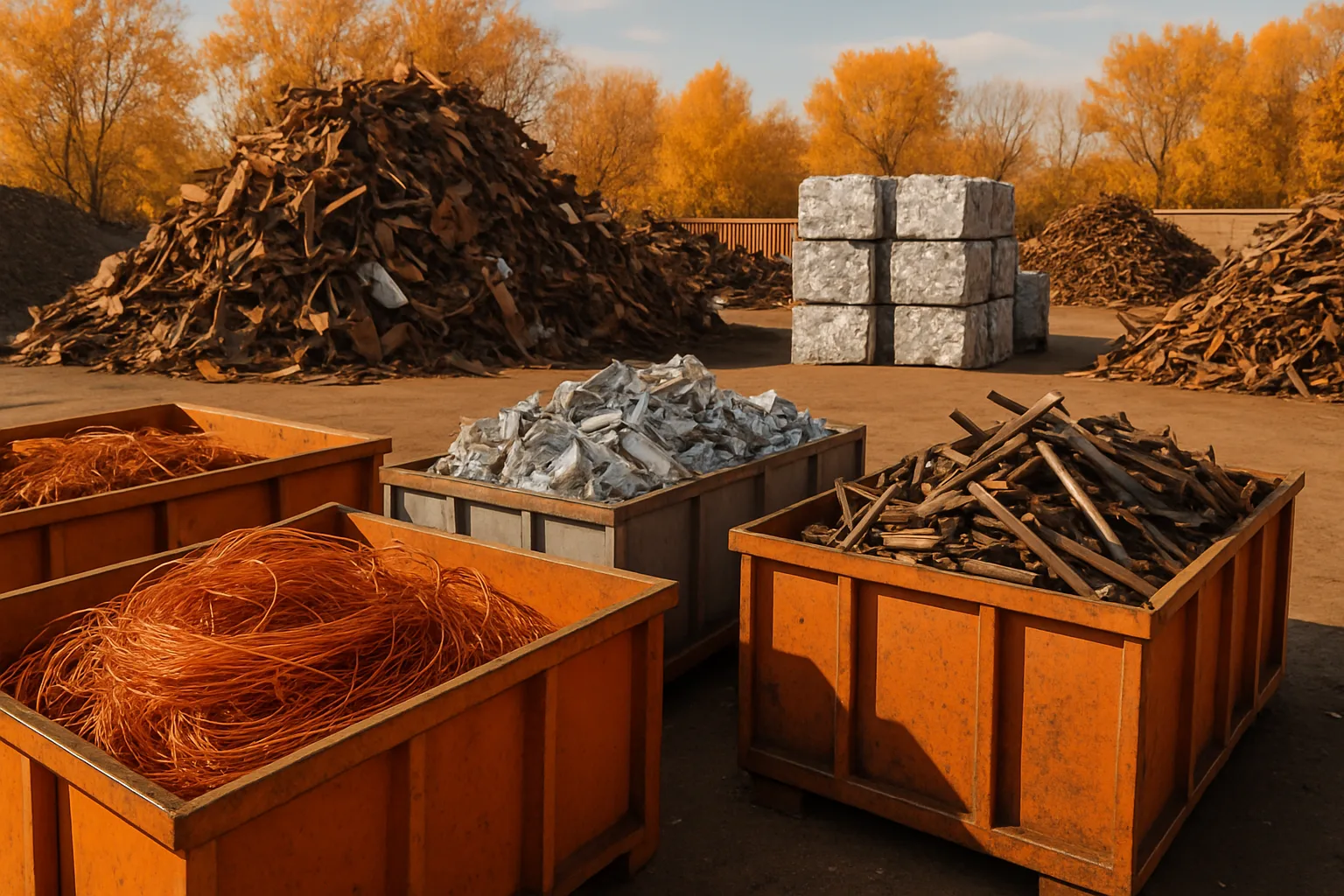
General scrap metal yards, on the other hand, operate purely on material and weight. They deal in ferrous metals (iron and steel), non-ferrous metals (aluminum, copper, brass, stainless), and everything in between. They don't care about part reusability. They care about what the metal is and how much of it you have. This is where you bring your copper wire, your aluminum radiators, your steel beams, your catalytic converter cores — not a running vehicle with reusable parts still attached.
Scrap Yard Prices in Dearborn: How Each Yard Type Values Your Material
Here's where it gets practical. Scrap yard prices in Dearborn — and across Michigan more broadly — vary depending on the yard type, the material, and current commodity markets. And right now in August 2026, commodity prices remain sensitive to global steel demand and non-ferrous market swings. Prices fluctuate daily — always confirm current rates directly with the yard before hauling anything.
At an auto recycling yard, your vehicle gets evaluated roughly like this:
- Year, make, model, and condition — older vehicles with low parts demand get lower offers
- Whether the catalytic converter is still present — a missing cat drops the offer fast
- Drivability and completeness — does it run? Are major parts still attached?
- Current crushed steel prices — this forms the floor, not the ceiling
At a general scrap metal yard, it's cleaner and more direct:
- Ferrous metals (steel, iron) priced by the pound or ton
- Non-ferrous metals priced by grade — clean aluminum vs. dirty aluminum, for instance, are not the same price
- Catalytic converter cores valued separately, often with VIN lookup and serial tracking to verify content
- Weight is verified on a certified scale — no guessing
The takeaway: if your vehicle still has valuable parts, an auto recycler might offer more overall. If you've already stripped it or you're bringing loose metal, a general scrap yard is the right call. If you're looking to find a scrap yard near you that handles your specific material, knowing this distinction saves a wasted trip.
What Each Yard Will and Won't Accept
This is one of the most common frustrations sellers face — showing up at the wrong facility with the wrong load. Here's a practical breakdown of what each yard type typically accepts.
Auto recycling yards typically accept:
- Whole vehicles — running or not, titled or with a bill of sale
- Major assemblies like engines, transmissions, and differentials
- Body panels and frames (with proper documentation)
- Complete front and rear clips
Auto recycling yards often won't take:
- Loose scrap metal — a box of copper pipe isn't their business
- Industrial steel or structural material
- Non-ferrous wire or electrical scrap
- Radiators and intercoolers as standalone scrap (sometimes, but not always)
General scrap metal yards typically accept:
- Copper wire, tubing, and fittings
- Aluminum — extrusions, cast, sheet, rims
- Steel — structural, plate, sheet, pipe
- Stainless steel, brass, and bronze
- Catalytic converter cores with proper documentation
- Electric motors, alternators, and starters as cores
- Batteries — lead-acid, in most cases
General yards also tend to have stricter documentation requirements, particularly for non-ferrous loads. In Michigan, regulations around catalytic converter sales have tightened — expect photo documentation, valid ID, and in some cases, vehicle VINs or serial numbers tied to your load. Platforms like sell your scrap metal on the SMASH marketplace are built around this kind of documentation — photo capture, serial tracking, and VIN lookup are baked into the process, which gives buyers more confidence and can support better price discovery on your loads.
Scrap Metal Prices Today: Why the Yard Type Affects What You Walk Away With
Understanding scrap metal prices today isn't just about knowing the commodity market — it's about understanding how yards apply those prices to your specific material. And the gap between what you think you'll get and what you actually receive often comes down to yard type and preparation.
Take a stripped aluminum engine block. At an auto recycler, they may not want it at all, or they'll offer ferrous pricing even though it's non-ferrous. At a general scrap yard, it gets properly graded as cast aluminum and priced accordingly — often significantly better per pound. That difference adds up, especially on heavier loads.
The same applies to catalytic converters. Auto recyclers often pull and sell cats through their own channels. If you've already pulled your cats and you're bringing them separately, a general scrap yard or a specialized cat buyer is the right move. They'll test, document, and offer based on actual precious metal content — platinum, palladium, and rhodium — not a flat guess.
Competition also matters. One buyer, one phone call, one price — that's the old way. Markets like SMASH put your load in front of vetted buyers, letting the market set the price rather than a single buyer's offer. More buyers means better price discovery. No subscription fees either — SMASH only makes money when the seller does.
How to Choose the Right Yard for Your Load in Dearborn
Dearborn and the surrounding Michigan metro area have no shortage of facilities — but not every yard is right for every load. Here's a simple decision framework before you load the truck.
- Is it a whole vehicle? → Start with an auto recycler. Get a quote that accounts for parts value, not just crush weight.
- Is it a stripped vehicle or just the body shell? → A general scrap yard will weigh and pay for the steel. Auto recyclers may not want it.
- Is it loose non-ferrous metal? → General scrap yard, always. Grade your material before you go — clean vs. contaminated makes a real price difference.
- Are you bringing catalytic converter cores? → Know your documentation requirements. Michigan regulations require proper ID and paperwork. Bring VINs, serial numbers, and photos if you have them.
- Mixed loads? → Some yards handle both, but confirm ahead. Call before you haul.
If you're unsure where to start, locate the closest scrap yard to your location and call ahead to confirm what they accept. A two-minute phone call beats an hour-long wasted trip.
Finding a Scrap Yard Near Me Open — And Making the Most of Your Visit
Hours matter. Many scrap yards — both auto recyclers and general metal yards — operate on tighter schedules than you'd expect. Saturday hours are often shortened. Some facilities in the Dearborn area close by noon on weekends. Showing up at 11:45 AM with a full truck is a bad time to find out.
Before you go, confirm the yard is open, confirm they accept your material type, and ask about any documentation they require. For non-ferrous loads especially, showing up unprepared can mean walking away empty-handed.
A few things to bring regardless of yard type:
- Valid government-issued ID
- Vehicle title or bill of sale if selling a whole car or truck
- Photos of your load if you're bringing cats or cores
- Any serial numbers or VINs tied to your material
Documentation protects you and the yard. It's not red tape — it's how you prove legitimate ownership and move through the process faster. For more guidance on navigating the process, read scrap yard guides and tips to prepare before your first visit.
Frequently Asked Questions
Q: What's the difference between an auto recycling yard and a junkyard near me?
They're often the same thing under different names. Auto recyclers and junkyards both process end-of-life vehicles. The difference is that modern auto recyclers tend to be more systematized — they catalog parts, drain fluids properly, and process vehicles for both parts resale and scrap. The term "junkyard" is older but refers to essentially the same type of facility.
Q: Can I sell loose copper or aluminum at an auto recycling yard in Dearborn?
Most auto recycling yards in Dearborn are not set up to buy loose non-ferrous metal. Their focus is vehicles and vehicle components. For copper wire, aluminum extrusions, or scrap brass, you need a general scrap metal yard. Call ahead to confirm before hauling your load.
Q: How do I find a scrap metal buyer near me in Dearborn that accepts catalytic converters?
Look for general scrap yards or specialized cat buyers in the Dearborn and greater Michigan area. Michigan regulations require documentation — bring your ID, photos of the converters, and any VINs or serial numbers linked to the vehicle they came from. Platforms like SMASH also work with vetted buyers who handle cat cores with full documentation support.
Q: What affects scrap yard prices in Dearborn today?
Scrap metal prices fluctuate with global commodity markets — steel demand, non-ferrous indexes, and regional supply all play a role. Prices can move daily. Always call the yard or check a live pricing source before you haul. Never assume last week's price is today's price.
Q: Do I need an appointment to sell scrap metal at a yard near me?
Most general scrap yards in Dearborn operate on a walk-in basis during posted business hours. Auto recyclers may want an appointment for vehicle drop-offs, especially if they're assessing parts value. For large or mixed loads, calling ahead is always smart — it saves time for you and the yard.
Whether you're a first-timer clearing out a garage or a regular seller running loads every week, knowing the right facility for your material is the foundation of getting paid fairly. Dearborn and Michigan have solid options — but the yard you choose and the preparation you do beforehand make all the difference. When you're ready, find a scrap yard near you and make your next load count.
Follow SMASH on LinkedIn at linkedin.com/company/scrap-metal-auction-sales-hub for scrap metal market updates, industry insights, and platform news.