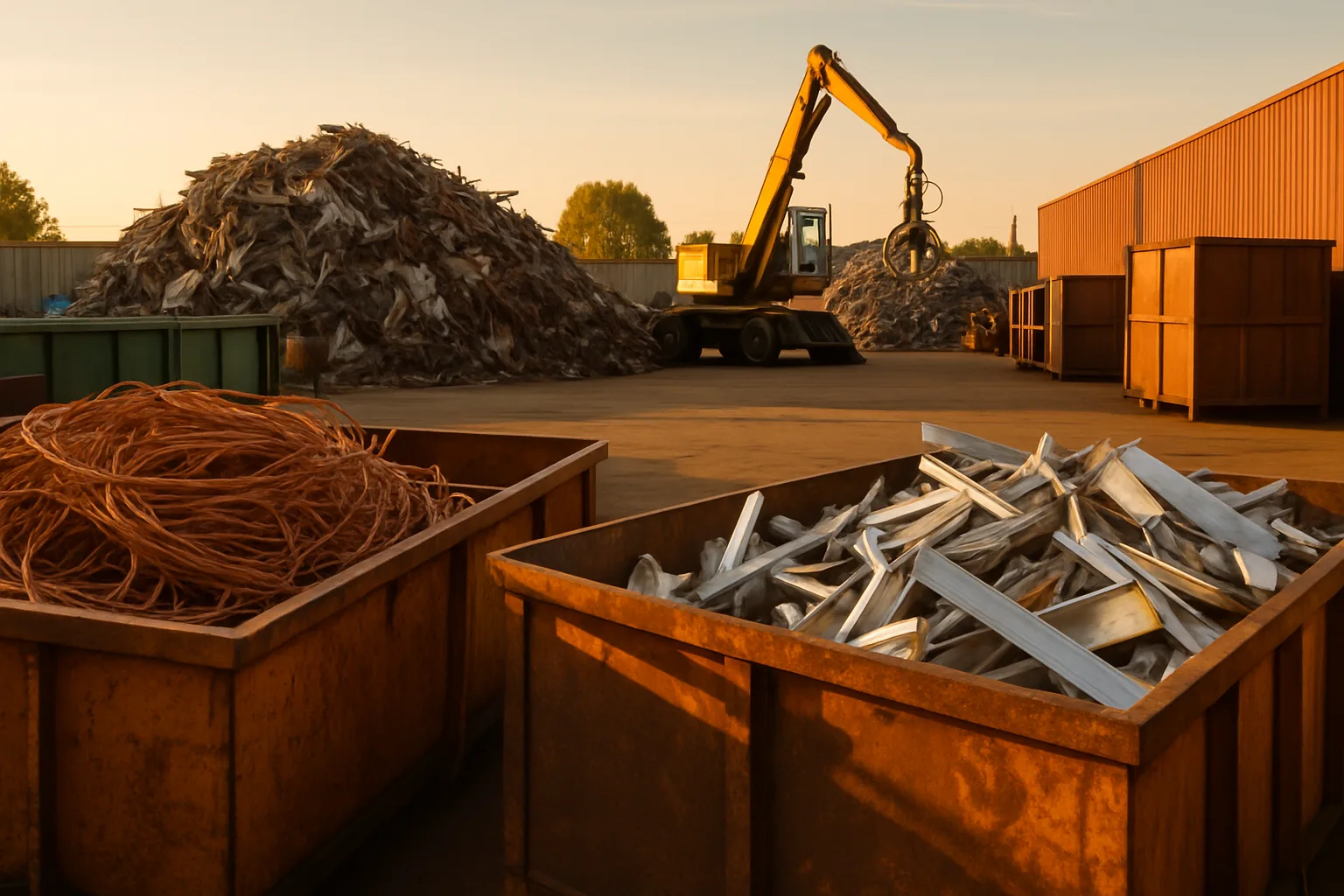
Most people think scrap yards are simple operations — drop off metal, get paid, done. But behind every scrap metal yard in Toledo is a stack of environmental compliance requirements that would make your head spin. Federal rules. State rules. Local permits. Stormwater management. Hazardous material handling. Miss one, and you're looking at fines, shutdowns, or worse.
If you're selling scrap metal, this matters to you more than you think. A yard that cuts corners on compliance is a yard that might not be around next year. Understanding what reputable scrap yards are required to do helps you choose better buyers and protect yourself in the process.
Here's what the rules actually look like — and how to use that knowledge when you find a scrap yard near you.
What Federal Environmental Law Requires of Scrap Yards
At the federal level, scrap yards operate under oversight from the EPA. The Resource Conservation and Recovery Act (RCRA) is the big one. It governs how yards handle, store, and dispose of hazardous materials — everything from used oil and brake fluid drained from vehicles to battery acid and refrigerants. A yard that processes end-of-life vehicles has to manage all of those substances under strict guidelines.
The Clean Water Act is equally critical. Scrap yards are required to obtain a National Pollutant Discharge Elimination System (NPDES) permit if they discharge stormwater runoff. Rain hits a yard full of crushed cars, shredded steel, and mixed non-ferrous metals — that runoff picks up contaminants. Without proper drainage management and retention systems, those contaminants end up in local waterways. The permit requires regular monitoring, reporting, and documented best management practices.
The Clean Air Act adds another layer. Yards that shred vehicles or run large industrial equipment have to monitor air emissions and, in some cases, install pollution control equipment. This isn't optional. EPA enforcement actions against non-compliant yards have resulted in six-figure penalties across Ohio and other Midwest states in recent years.
Ohio State Regulations for Local Scrap Yards in Toledo
Ohio layson additional requirements on top of federal law. The Ohio Environmental Protection Agency (Ohio EPA) oversees scrap and salvage operations under the Ohio Revised Code. Yards handling auto hulks, appliances, and mixed metal scrap typically need a solid waste facility permit or a scrap metal dealer license depending on their operation type and volume.
For a local scrap yard in Toledo, operating in Lucas County means dealing with both Ohio EPA oversight and any additional requirements set by the Toledo Department of Environmental Services. Toledo sits along the Maumee River, which flows into Lake Erie. That geography puts extra scrutiny on any operation that could introduce pollutants into the watershed. Stormwater compliance isn't a formality here — it's a real environmental concern with enforcement teeth behind it.
Ohio also requires scrap dealers to maintain records of who they buy from. This isn't just about environmental compliance — it's tied to the state's anti-theft statutes. But the documentation practices that satisfy theft-prevention laws also support better environmental tracking. When a yard knows exactly what it received and from whom, it's better positioned to manage hazardous materials correctly and demonstrate compliance during inspections.
Hazardous Material Management: The Details Most People Miss
Catalytic converters, lithium-ion batteries, refrigerant-containing units, and mercury switches — these are the items that create the most compliance complexity. Each one has specific handling, storage, and disposal requirements. Cats alone require documentation of their origin in most states, which overlaps with both theft-law compliance and environmental chain-of-custody requirements.
Lithium-ion batteries are a growing issue across the industry. With more EVs and hybrid vehicles entering the scrap stream in 2026, yards are managing battery packs that require fire-safe storage, specialized disposal pathways, and trained staff. A battery that isn't managed correctly is a fire hazard and an environmental liability at the same time.
Refrigerants from HVAC units and vehicles must be recovered by EPA Section 608-certified technicians before the equipment is shredded or crushed. This is federal law with no exceptions. A yard that skips refrigerant recovery isn't just breaking environmental rules — it's exposing itself to EPA civil penalties that can run into the tens of thousands of dollars per violation.
- Used oil: Must be stored in labeled, leak-proof containers and either recycled through a licensed facility or burned as fuel in approved equipment.
- Lead-acid batteries: Must be stored on impervious surfaces with secondary containment and sent to licensed battery recyclers.
- Mercury switches: Auto manufacturers and recyclers participate in the NVMSRP (National Vehicle Mercury Switch Recovery Program) to ensure proper capture before shredding.
- Antifreeze and brake fluid: Separated, stored, and disposed of through permitted waste handlers.
- Tires: Ohio prohibits open storage of scrap tires above defined limits without a scrap tire facility permit.
Compliance with all of this requires real infrastructure — not just good intentions. It costs money to do right. That's one reason why reading scrap yard guides and tips before choosing a facility makes practical sense. You want to sell to yards that are operating legally and won't disappear due to enforcement action mid-transaction.
Scrap Metal Inventory Management and Compliance Documentation
Compliance doesn't end with physical containment. The paperwork side of running a regulated yard is substantial. Scrap metal inventory management isn't just about knowing what you have on hand — it's a regulatory requirement in many states, and Ohio is no exception. Yards must maintain purchase records, seller identification, and material documentation that can be audited by law enforcement or environmental agencies on demand.
This is where technology makes a real difference. Modern platforms like the SMASH scrap metal auction marketplace support proper inventory documentation with tools for photo documentation, serial tracking, and VIN lookup for automotive materials. When a yard uses that kind of structured inventory system, it's easier to demonstrate compliance — and easier to give buyers the documentation confidence they need to bid competitively.
Think about what this means for price discovery. When a yard has clean, documented loads with photo evidence, known origin, and proper packing lists, buyers can assess value with more certainty. Less uncertainty means stronger bids. Documented inventory gives buyers more confidence, and that confidence shows up in the numbers. SMASH is built around exactly this principle — documentation that creates competition, competition that creates better pricing.
Who Do Scrap Yards Sell Metal To — and Why Compliance Affects It
Once scrap is processed, who do scrap yards sell metal to? Primarily steel mills, aluminum smelters, copper refiners, and specialty metal processors. These downstream buyers have their own regulatory obligations, which means they're selective about where they source material. A mill that accepts contaminated or poorly documented scrap takes on liability. So they vet their suppliers.
A yard with documented compliance practices and clean material streams gets better access to premium buyers. A yard that cuts corners on hazardous material handling or documentation may find itself locked out of the highest-value downstream channels. This filters all the way back to the sellers who bring loads to the yard. A compliant, well-run yard typically has stronger buyer relationships — and stronger relationships produce more competitive offers on incoming material.
For anyone sourcing best scrap metal prices in Toledo or anywhere in Ohio, this connection matters. The price you're offered at the gate is partly a function of what the yard can get for your material on the back end. More vetted downstream buyers, more competition, better price discovery. That's the chain. For Toledo scrap metal services, working with compliant yards puts you in a stronger position from the start.
If you want to go further than just dropping material at a local yard, platforms like SMASH connect sellers directly to that vetted buyer network. No subscription fees. No guessing what your load is worth. Real competition on documented loads.
How to Identify a Compliant Scrap Yard Before You Sell
You don't need to audit a yard yourself. But there are signals you can look for when evaluating where to bring your material.
- Ask about their NPDES stormwater permit. Compliant yards have one and can tell you about it. A yard that goes blank at the question is a flag.
- Look at the physical setup. Proper containment areas, labeled storage, impervious pads under fluid storage — these are visible signs of a yard that takes compliance seriously.
- Check for licensing. Ohio scrap dealer licenses are public record. If a yard can't produce their state license or registration, move on.
- Ask how they handle refrigerants and batteries. Any yard processing vehicles should have a clear answer. Vague responses suggest they're not handling it correctly.
- Check their documentation practices. Do they issue proper receipts? Do they ask for your ID and vehicle title on auto scrap? Compliant yards follow the rules — all of them.
Toledo has a strong industrial history, and many yards in the area have built solid reputations over decades of operation. That said, not every facility operates to the same standard. Do a quick check before you commit a load. A few minutes of due diligence protects both your payout and the environment.
When you're ready to locate the closest scrap yard that meets your standards, use tools built for this. Verified listings, documented operations, and facilities that take compliance seriously — that's what you're looking for.
The best outcome for everyone in this industry is yards that operate clean, buyers that pay fairly, and sellers who know what their material is worth. Compliance isn't just a legal obligation. It's a signal of how a yard operates across the board. Find facilities that take it seriously, and you'll likely find better pricing, cleaner transactions, and fewer headaches from start to finish. Check locations at scrap-yard-near-me.com to get started.
Frequently Asked Questions
Q: Do scrap yards in Toledo need special permits to operate?
Yes. Ohio requires scrap yards to hold relevant licenses under the Ohio Revised Code, and many operations also need EPA permits for stormwater discharge, solid waste handling, and scrap tire storage. Yards processing vehicles have additional requirements tied to hazardous fluid management and refrigerant recovery. Operating without proper permits in Ohio is a violation subject to fines and facility closure.
Q: How does environmental compliance affect the prices paid at a local scrap yard in Toledo?
Compliant yards typically have access to higher-quality downstream buyers — steel mills, smelters, and refiners that vet their suppliers. Better buyer relationships mean more competition for incoming material, which can improve price discovery. Yards cutting corners may find their access to premium buyers restricted, and that affects what they can offer sellers at the gate.
Q: What happens to hazardous fluids from cars I bring to a scrap yard?
Reputable yards drain and separate all fluids — oil, coolant, brake fluid, transmission fluid, and refrigerants — before processing a vehicle. These materials are then handled by licensed waste handlers or recycled through permitted channels. Federal and Ohio state law both require this. A yard that skips these steps is operating illegally and taking on serious liability.
Q: Is scrap metal inventory management required by law?
Ohio requires scrap dealers to maintain records of purchases, including seller identification and material descriptions. This serves both anti-theft enforcement and environmental tracking purposes. Detailed inventory management — especially with photo documentation and serial tracking — goes beyond the minimum but strengthens compliance and supports better buyer confidence.
Q: Who do scrap yards in Ohio sell processed metal to?
Processed scrap metal typically goes to steel mills, aluminum smelters, copper refiners, and specialty metal processors. These downstream buyers have their own environmental and documentation requirements, so they prefer suppliers with clean compliance records. Yards with strong documentation practices and proper certifications tend to have better access to competitive downstream buyers.
Stay sharp on market trends and industry news — follow SMASH on LinkedIn for scrap metal market insights and updates from across the industry.
```