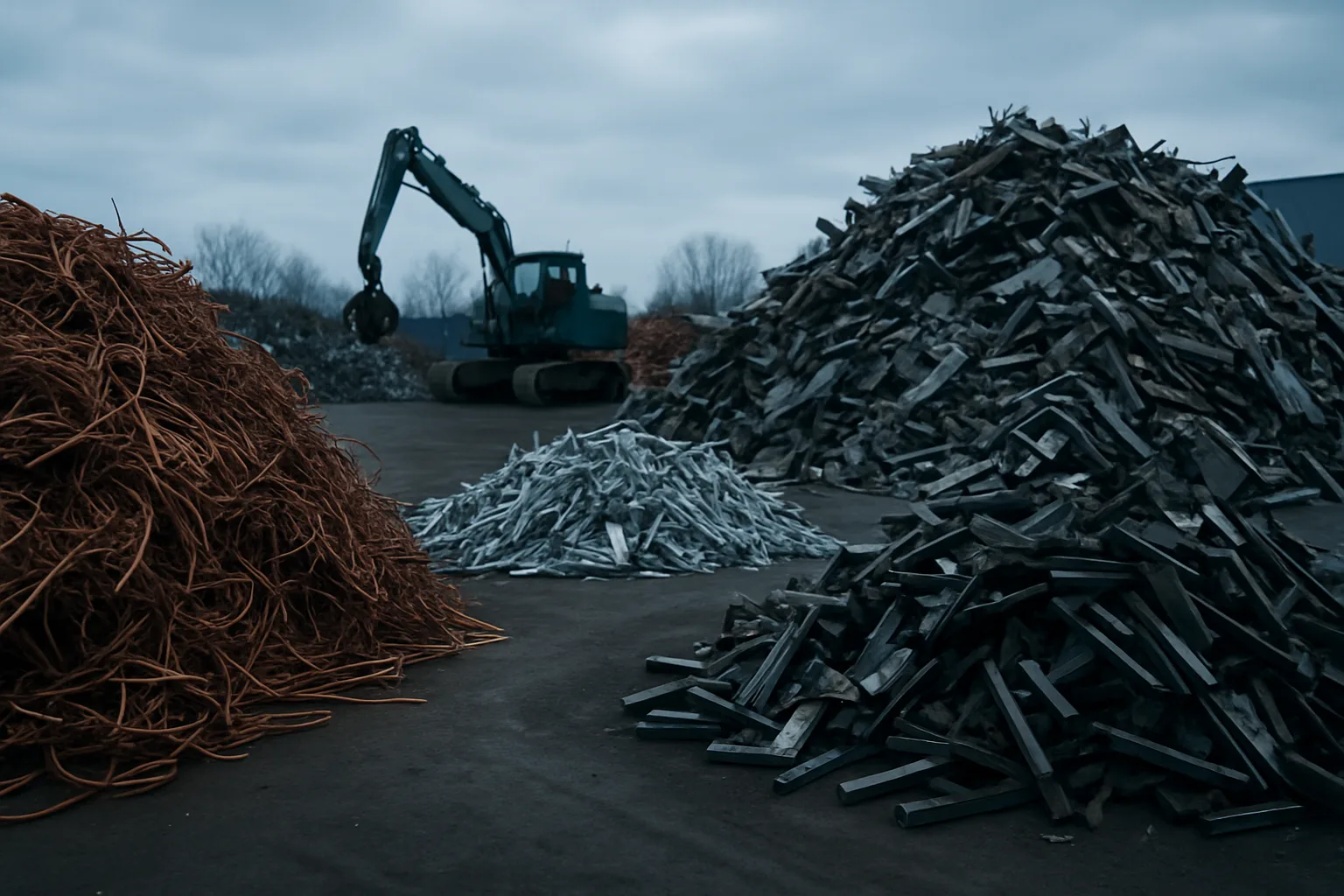
Most scrap yards pay you what your load is worth to them — not what it's worth on the open market. That gap can cost you real money. If you're hauling metal to a metal recycling near me Erie facility without preparing your load first, you're likely leaving cash on the table before you even pull up to the scale.
Preparation isn't complicated. It's sorting, cleaning, documenting, and knowing what you have before someone else tells you. This guide breaks down exactly how to prep your scrap so you show up informed, move faster through the yard, and walk away with a better payout.
Why Preparation Directly Affects Your Payout
Yards price by category. If your copper is mixed with steel, they'll pay you steel rates on the whole pile — or worse, they'll make you sort it yourself in the yard line. Neither outcome is good. A sorted, documented load gives the buyer a clear picture of what they're getting. That confidence translates into better pricing.
Erie, Pennsylvania has an active industrial recycling scene, with manufacturing and automotive sectors generating consistent scrap volume. Yards in this region handle everything from non-ferrous runs to full truckloads of crushed cars. But busy yards move fast. If your load is a mess, you slow the line and lose negotiating leverage. Show up prepared and you show up like a professional — and buyers treat you accordingly.
- Sorted loads get graded faster and more accurately
- Clean metal fetches higher per-pound rates than dirty or contaminated material
- Documentation (photos, weight estimates, BOLs) speeds up the transaction
- Knowing your grades prevents low-ball misclassification
Sort Your Metal Before You Leave Your Property
Sorting at home takes an hour. Sorting at the yard gate takes leverage away from you. Separate your ferrous from your non-ferrous before anything else. Ferrous metals (iron, steel) are magnetic. Non-ferrous (copper, aluminum, brass, stainless) are not. A simple magnet is all you need to start making the split.
Within non-ferrous, keep your categories clean and separate:
- Copper — bare bright, #1 copper, #2 copper, copper with insulation (each grade different rates)
- Aluminum — extrusions, sheet, cast, clips, radiators (don't mix them)
- Brass — yellow brass, red brass, plumbing fixtures
- Stainless steel — keep separate from regular steel; grades vary
- Wire — insulated wire has different grades depending on copper content percentage
If you're running a load of cores, keep your scrap yard near me parts categories organized too. Alternators, starters, and electric motors each have their own rate. Tossing them into one bin before you've documented them is a fast way to lose money on the transaction.
Clean Your Metal — It Pays More Than You Think
Yards dock for contamination. Steel attached to plastic, copper attached to rubber insulation, aluminum with steel bolts still threaded in — all of these pull your payout down. The cleaner the material, the higher the grade, and the higher the per-pound price.
You don't need to detail every piece. Focus on the high-value material. Stripping insulation off copper wire, removing steel hardware from aluminum, or cutting steel brackets off copper pipe can meaningfully change the grade classification you receive. On a heavy non-ferrous load, that difference adds up fast.
For catalytic converters specifically, don't clean them — but do keep them intact. Damaged or cut cats can be classified lower or flagged. If you're holding a volume of cats, a catalytic converter auction platform gives you access to buyers who specialize in that material and understand the actual PGM value inside. Platforms like SMASH Scrap — where verified buyers bid on your metal exist specifically to solve this problem by putting your material in front of multiple vetted buyers who compete for it.
Document Your Load Before You Drive to the Yard
Documentation is the part most sellers skip. It's also the part that protects you. Before you leave your shop or yard, photograph your sorted piles. Note your own rough weight estimates if you have a scale. For automotive scrap, document VINs on cores or parts where applicable — serial tracking adds legitimacy to the load and speeds up processing at the buyer's end.
If you're moving a commercial load, have your packing list ready. A clear BOL or packing list tells the buyer exactly what's on the truck before they weigh it. This is standard practice in professional recycling operations and it signals that you know your material. Buyers who see that documentation approach the negotiation differently.
When you find a scrap yard near you, call ahead and ask what documentation they need for your specific load. Some facilities in Pennsylvania require additional paperwork for automotive parts or regulated materials. Knowing before you show up saves time and avoids surprises at the gate.
Know Your Grades — Don't Let the Yard Define Them for You
Metal grading isn't arbitrary, but it is subjective at the margins. Knowing the difference between #1 and #2 copper, or between twitch aluminum and cast aluminum, means you can have an informed conversation rather than just accepting a number. A scrap metal buyer near me Erie who sees you understand your material is less likely to downgrade without explanation.
Common grade pairs that get confused:
- #1 Copper vs. #2 Copper — #1 is clean, uncoated, unalloyed. #2 has minor coatings or solder. Big price difference.
- Aluminum extrusion vs. aluminum cast — Extrusions (window frames, structural sections) typically price higher than cast aluminum (engine blocks, housings).
- Clean steel vs. shredder steel — Mixed, contaminated, or oversized steel often gets graded as shredder. Prep to avoid the downgrade.
- Bare bright copper vs. #1 copper — Bare bright is the top grade: clean, uncoated, 16-gauge or heavier wire. Don't let a buyer blend it with your #1.
- Red brass vs. yellow brass — Red brass (higher copper content) pays more. Know what you have.
Do a quick check on current market rates before your trip. Prices fluctuate with global commodity markets, so what you read last month may not reflect today's rates. Disclaimer: Metal prices change daily based on market conditions. Always verify current rates directly with your local yard or a vetted buyer before making a trip.
Use Every Tool Available — Including Auction Platforms
Walking into a single yard and accepting their number has always been the default for most recyclers. The problem: you have no idea if that number is competitive. One buyer, one price. No visibility into whether you're being fairly valued.
That's the old way. And it's exactly the problem SMASH scrap was built to solve. SMASH puts your load in front of multiple vetted buyers who compete for it through an auction format. More buyers means better price discovery. Competition can help reveal the market. You stop guessing and start knowing what your material is actually worth.
There are no subscription fees. SMASH only wins when the seller wins. For yards in Erie and across Pennsylvania running regular loads of non-ferrous, automotive cores, or catalytic converters, getting competitive bids before you commit to a single buyer is simply the smarter move. Read scrap yard guides and tips to understand more about how pricing works and what buyers are actually looking for in a well-prepared load.
For sellers who aren't yet using an auction platform, even just calling two or three local buyers before hauling is better than calling one. You're looking for competition. Competition is how price discovery actually works in any market, scrap included.
What to Bring and What to Expect When You Arrive
Showing up prepared also means being ready for the transaction itself. Most yards in Pennsylvania will require a valid government-issued ID — this is standard for regulatory compliance on metal purchases. Some facilities have specific requirements for catalytic converters, automotive parts, or high-value non-ferrous. Call ahead.
When you arrive:
- Have your ID ready
- Present your packing list or load documentation upfront
- Walk your load with the grader if allowed — ask questions, don't just accept classifications
- Ask for itemized pricing by category, not a single blended rate
- Confirm the scale ticket before you sign anything
If you've done your preparation work — sorted, cleaned, documented — this process moves quickly. You're not the guy holding up the line. You're the seller who knows their load, and that carries weight with every buyer at every facility.
Whether you're running a single truck of non-ferrous out of Erie or managing regular loads across multiple Pennsylvania locations, the fundamentals don't change. Sort it, clean it, document it, and know what you have. Then use every tool available to make sure the price you get actually reflects the market. To locate the closest scrap yard and get moving on your load today, start with facilities that handle your specific material types and call ahead to confirm current rates.
Find the best scrap yard near you — check locations and plan your next run at scrap-yard-near-me.com. You've done the prep work. Make sure the payout reflects it.
Frequently Asked Questions
Q: Do I need to sort my metal before going to a metal recycling near me Erie facility?
Yes — and it directly affects your payout. Yards grade and price by category. Mixed loads often get priced at the lowest-value material in the batch. Sorting at home takes minimal time but can meaningfully increase what you receive per pound, especially on non-ferrous material.
Q: What should I bring with me to a scrap yard near me in Pennsylvania?
Bring a valid government-issued ID — it's required at most facilities in Pennsylvania for regulatory compliance. If you're hauling a commercial or mixed load, bring a packing list or load documentation. For automotive parts and cores, VIN documentation can speed up processing.
Q: How do I get the best price for catalytic converters at a scrap metal buyer near me in Erie?
Keep cats intact and undamaged — cutting or cracking a converter lowers its value and can flag compliance issues. For volume sellers, a catalytic converter auction platform gives you access to buyers who specialize in PGM recovery and understand the actual metal content. Competitive bids reveal the real market value of your material.
Q: Are scrap yards open today near my location on weekends or holidays?
Hours vary significantly by facility. Many yards in the Erie area and across Pennsylvania operate Monday through Friday with limited Saturday hours. Always call ahead or check online before hauling a load — nothing wastes time like driving to a closed gate. Some auction platforms and buyers operate outside traditional yard hours for scheduled pickups or drop arrangements.
Q: How does SMASH help sellers get better prices for their scrap metal?
SMASH connects sellers with multiple vetted buyers who bid competitively on your load through an auction format. Instead of accepting one price from one buyer, you see what the market actually offers. There are no subscription fees — SMASH only earns when you complete a successful sale. It works especially well for non-ferrous loads, catalytic converters, and automotive cores where pricing varies widely between buyers.
Stay sharp on market trends and scrap metal pricing — follow SMASH on LinkedIn at linkedin.com/company/scrap-metal-auction-sales-hub for industry updates and insights that help you sell smarter.
```