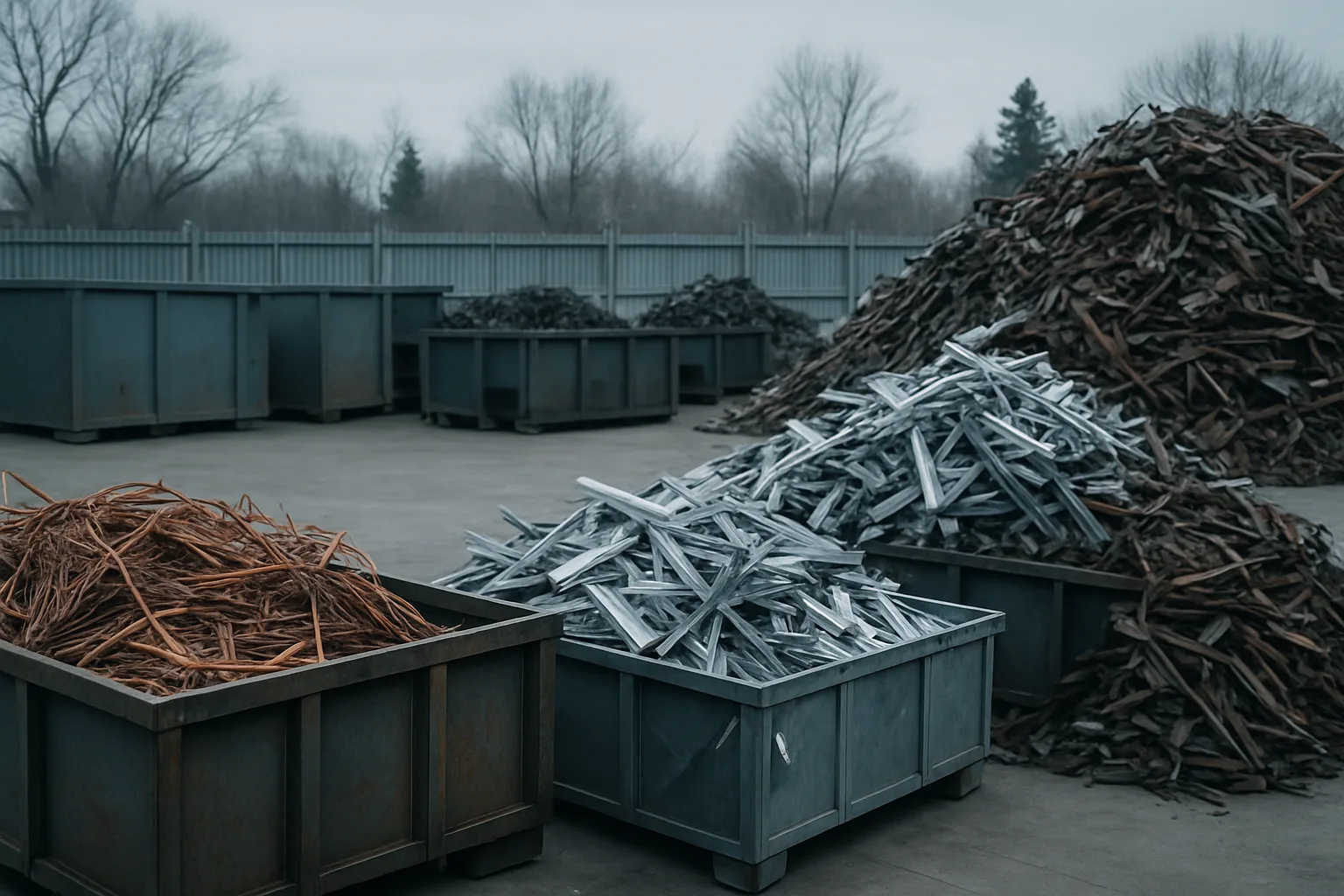
Most people show up to a scrap yard with a truckload of mixed material and zero idea what the yard will actually take. That guesswork costs you time, fuel, and sometimes a flat rejection at the gate. If you're searching for a scrap yard near me Nashville, knowing what yards accept — and what they'll turn away — is the difference between a smooth transaction and a wasted trip.
This guide breaks it down straight. What gets weighed and paid out. What gets left at the curb. And how platforms like SMASH are changing how serious sellers move metal without the runaround.
What Most Scrap Yards in Nashville Accept
Tennessee has a strong recycling infrastructure, and Nashville-area yards handle a wide range of ferrous and non-ferrous material daily. But not every yard takes everything. Knowing the common categories puts you ahead before you load the truck.
Here's what the majority of scrap metal yards Nashville will accept:
- Ferrous metals — steel, cast iron, sheet metal, rebar, I-beams, structural steel. This is the volume play. Low price per pound, but yards move enormous quantities.
- Copper — bare bright, #1 copper, #2 copper, copper pipe, copper wire. Always in demand. Higher value per pound than ferrous.
- Aluminum — cast aluminum, extrusion, sheet, old sheet, AL wire, aluminum cans. Grades matter here. Don't mix them if you want top dollar.
- Brass — yellow brass, red brass, mixed brass, valves, fittings. Common in plumbing and HVAC tear-outs.
- Stainless steel — 304, 316, food-grade. Check with the yard — grades vary and so do prices.
- Lead — batteries, soft lead, wheel weights. Handled with specific safety protocols.
- Catalytic converters — highly regulated. Most yards require serial number documentation and seller ID. No exceptions.
- Whole vehicles and auto parts — many Nashville yards double as auto salvage yards, accepting full cars, trucks, and stripped frames.
- Appliances — refrigerators (freon must be removed), washers, dryers, stoves. Some yards charge a freon removal fee; others handle it on-site.
- Electric motors and alternators — solid value. Often priced as a separate commodity.
- Wire and cable — insulated copper wire, romex, THHN. Most yards will buy insulated wire, though it pays less than stripped.
If you're working in construction, demolition, HVAC, electrical, or auto salvage, you likely have a mix of these sitting in a yard or on a jobsite right now. Sorting before you arrive — even loosely — helps the yard price your load faster and often gets you a better rate.
What Scrap Yards Typically Reject (and Why)
This is the part most first-timers learn the hard way. Yards turn away material for three main reasons: safety liability, regulatory compliance, and cost of processing. Understanding these reasons helps you avoid the rejection line.
Common rejects include:
- Sealed containers — any tank, drum, or vessel that's sealed or pressurized. These are explosive hazards. Yards will not touch them.
- Refrigerants and freon-containing appliances — a fridge with freon still in it is a problem. Many yards handle removal, but call ahead. Don't just show up.
- Radioactive or contaminated metals — uncommon for most sellers, but yards use radiation detectors at the scale. Material that triggers the alarm gets rejected immediately.
- Hazardous waste material — asbestos wrapping, chemical drums, contaminated soil mixed with metal. These require licensed disposal, not a scrap yard.
- Mercury-containing devices — old thermostats, switches, fluorescent bulbs in large quantity. Check local Tennessee disposal programs instead.
- Non-metallic materials — concrete-filled pipe, heavily rubber-coated material, plastic-heavy assemblies. If it's more filler than metal, expect either a deduct or a flat rejection.
- Catalytic converters without documentation — theft is a major issue. Tennessee law requires sellers to provide ID and vehicle information for cats. Yards that skip this step put themselves at legal risk. Expect scrutiny.
- Stolen or suspected stolen material — yards are required by law to verify identity. Serial-tracked items — compressors, HVAC units, wire spools — get extra attention. Bring proof of ownership if you have it.
- Mixed loads with no separation — technically not always rejected, but heavily penalized on price. A 2,000-pound mixed load of copper, aluminum, and steel gets priced at the lowest common denominator unless you've sorted it.
Preparation matters. A clean, sorted load is faster to process, easier to price, and signals to the yard that you're a professional seller — not someone who showed up hoping for the best.
How Scrap Metal Prices Today Near Me Actually Get Set
Pricing at a scrap yard isn't arbitrary, even if it feels that way. Most yards reference commodity markets — LME (London Metal Exchange), COMEX, and regional dealer indices — and apply their own margin based on processing costs and local demand. That's why scrap metal prices today near me can differ between two yards five miles apart.
A few things that affect what you'll actually get paid:
- Grade and cleanliness — #1 copper with no solder or fittings pays more than #2 copper with attachments. Every grade has a reason.
- Load size — volume buyers get better rates. A 10,000-pound load of clean aluminum extrusion moves differently than 200 pounds of mixed can stock.
- Market timing — metal prices fluctuate daily. Selling when copper is up versus down can meaningfully impact your check. Platforms like smashscrap.com use competitive auctions to help sellers get better price discovery rather than accepting the first number they hear.
- Single buyer vs. competition — the old way is one phone call, one price, take it or leave it. The SMASH way puts multiple vetted buyers on your load. Competition reveals the market. One buyer hides it.
If you're moving significant volume — regular loads from a demo job, an HVAC contractor, or a manufacturing facility — the difference between one buyer and five buyers bidding on your material adds up fast. It's worth knowing your options before you drive to the yard.
Disclaimer: Metal prices fluctuate daily based on market conditions. Always check current rates with your local yard or through a verified platform before selling.
What to Bring When You Visit a Scrap Yard Near You in Nashville
Showing up prepared gets you through faster and protects you legally. Nashville-area yards — like most across Tennessee — follow state regulations around ID, vehicle documentation, and regulated commodities.
Bring the following every time:
- Government-issued photo ID — required by law for most transactions, especially catalytic converters, copper, and regulated metals.
- Vehicle registration or title — if you're bringing a whole car or selling auto parts. Auto salvage yards will require title documentation before they take possession of a vehicle.
- Proof of ownership for commercial loads — invoices, job records, or BOLs (bills of lading) if you're bringing material from a job site. This protects you if questions arise.
- Serial numbers for regulated items — catalytic converters, HVAC compressors, and large wire spools are tracked. Document serials before you haul.
- Sorted, separated loads — not a document, but treat it like a requirement. Mixed loads cost you money.
If you're a business seller — contractor, demo company, manufacturer — it's worth setting up a commercial account with a yard. You get faster processing, consistent pricing conversations, and sometimes better rates on volume. To find a scrap yard near you in Nashville that handles commercial accounts, check the location directory before you call around.
Sell Scrap Metal Online — Know Your Options Before You Drive
Not every seller needs to haul material to a yard and wait in line. If you're moving consistent volume of non-ferrous metals — copper, aluminum, brass, cats, cores — you have more options than the traditional single-yard transaction. The ability to sell scrap metal online through auction-based platforms has shifted how serious volume sellers operate.
SMASH runs competitive auctions where vetted buyers bid on your loads. No subscription fees. No guessing what the market will bear. You get documentation, auto-invoicing, and photo verification baked into the process. For yards and commercial sellers moving regular non-ferrous loads, it's a different model than calling one buyer and hoping the number is fair.
Even if you end up selling locally, knowing what your load is worth on a competitive market gives you a reference point. That's not a bad position to negotiate from.
For residential sellers or first-timers, the local yard is still the right starting point. Use the scrap yard guides and tips on this site to get familiar with grades, pricing, and what to expect at the scale.
Metal Recycling Tennessee — Local Rules You Should Know
Tennessee has specific regulations around scrap metal sales designed to reduce theft and improve traceability. If you're selling in Nashville or anywhere else in the state, these apply to you.
Key points for metal recycling Tennessee sellers:
- Photo ID required at point of sale for most regulated metals (copper, aluminum wire, cats).
- Catalytic converter sales require seller ID plus documentation of where the converter came from. VIN lookup tools and serial tracking are increasingly standard at compliant yards.
- Payment by check is required above certain thresholds — cash transactions are limited for regulated material under state law.
- Hold periods — some yards are required to hold regulated material for a set number of days before processing, to allow law enforcement to flag stolen material.
- Business sellers may have different documentation requirements than residential sellers. Check with the yard ahead of time.
These rules exist for a reason. They protect legitimate sellers too. If you're selling clean material with proper documentation, compliance is straightforward. If you're unsure about any item in your load, call the yard before you haul. Nashville-area yards deal with these questions every day — a two-minute call beats a rejected load.
Ready to move your material? Use the directory to locate the closest scrap yard in Nashville or connect with Nashville scrap metal services directly to find a yard that matches your load type and volume.
Frequently Asked Questions
Q: What metals pay the most at a scrap yard near me in Nashville?
Non-ferrous metals consistently pay more than ferrous. Copper — especially bare bright or #1 copper — sits at the top. Brass, aluminum, and stainless steel follow. Ferrous steel and iron pay significantly less per pound but yards accept large volumes. Sort your load by metal type before arriving to maximize your payout.
Q: Do Nashville scrap yards buy catalytic converters?
Yes, but with strict documentation requirements. Tennessee law requires seller ID and vehicle documentation for cat sales. Most yards use VIN lookup and serial tracking to verify converters. Bring your ID and paperwork — no documentation means no sale at compliant yards, and that's the right call.
Q: Can I sell a whole car to a scrap yard in Nashville?
Yes. Many Nashville yards function as auto salvage yards and accept whole vehicles. You'll need the title and your photo ID. Some yards offer pickup for vehicles that can't be driven in. Call ahead to confirm they accept the make and year before you haul it over.
Q: How do I know if I'm getting a fair price at a local scrap yard?
Check multiple yards or use a competitive platform like SMASH to see what buyers will actually pay for your load. Prices vary by yard, grade, and daily market conditions. Knowing the going rate before you walk in gives you something to work with. Prices fluctuate — always verify current rates before selling.
Q: What should I do with appliances that still have freon in them?
Call the yard before you haul. Many Nashville-area yards handle freon removal on-site, sometimes for a fee. Don't assume a fridge or AC unit will be accepted as-is. If the yard doesn't do removal, they'll direct you to a licensed service provider. This is a safety and EPA compliance issue — not something to skip.
If you're sorting your first load or you're a regular seller looking for better price discovery, knowing what yards take — and what they won't — is the foundation. Nashville has solid recycling infrastructure and metal recycling Tennessee-wide continues to grow. Whether you're moving a truckload of copper pipe or a full vehicle, start with the right information and the right platform. Find the best scrap yard near you at scrap-yard-near-me.com and move your material with confidence.
Stay current on scrap metal market trends and platform updates — follow SMASH on LinkedIn for industry insights and pricing news straight from the yard floor.