Your First Trip to a Scrap Yard: What Actually Happens and How to Get Paid
Most people show up to a scrap yard for the first time with a truck bed full of metal and zero idea what happens next. That's fine — everyone starts somewhere. But walking in unprepared costs you time, and sometimes money. Here's exactly what to expect, what to bring, and how to make sure you're not leaving value on the table when you visit a scrap metal buyer near me St. Louis for the first time.
St. Louis has a solid recycling infrastructure. Missouri's location as a Midwest logistics hub means there's real buyer competition for ferrous and non-ferrous loads. That matters. Competition drives better price discovery — and knowing that before you walk in gives you leverage.
What to Bring Before You Pull Into the Yard
Scrap yards aren't flea markets. They're commercial operations with compliance requirements, and showing up without the right documentation can get your load rejected or held. Don't skip this step.
Here's what most yards in Missouri require before they'll buy from you:
- Government-issued photo ID — A driver's license works. This is non-negotiable. State regulations require yards to log seller identity, especially for non-ferrous metals like copper, aluminum, and brass.
- Vehicle registration — If you're selling a junk car or hauling material in a work vehicle, have your registration ready.
- Proof of ownership — Selling a catalytic converter, catalytic cores, or automotive parts? Some yards will ask for documentation showing where the material came from, particularly for high-value items.
- A way to receive payment — Know whether the yard pays cash, check, or electronic transfer. Policies vary by location and load size.
If you're hauling a load for a business — say, a contractor clearing a demolition site — bring a bill of lading or a basic packing list. Documented loads get processed faster and often attract stronger offers. Buyers trust what they can verify. That's not a scrap yard quirk; it's how all commodity transactions work.
How Scrap Yards Actually Weigh and Price Your Load
Here's where first-timers get surprised. You don't negotiate like you're at a garage sale. Yards use certified scales, and you get paid based on weight and material grade — not on what you think the pile is worth.
The process typically looks like this:
- Drive onto the scale. Your full vehicle weight gets recorded before you unload. This is your gross weight.
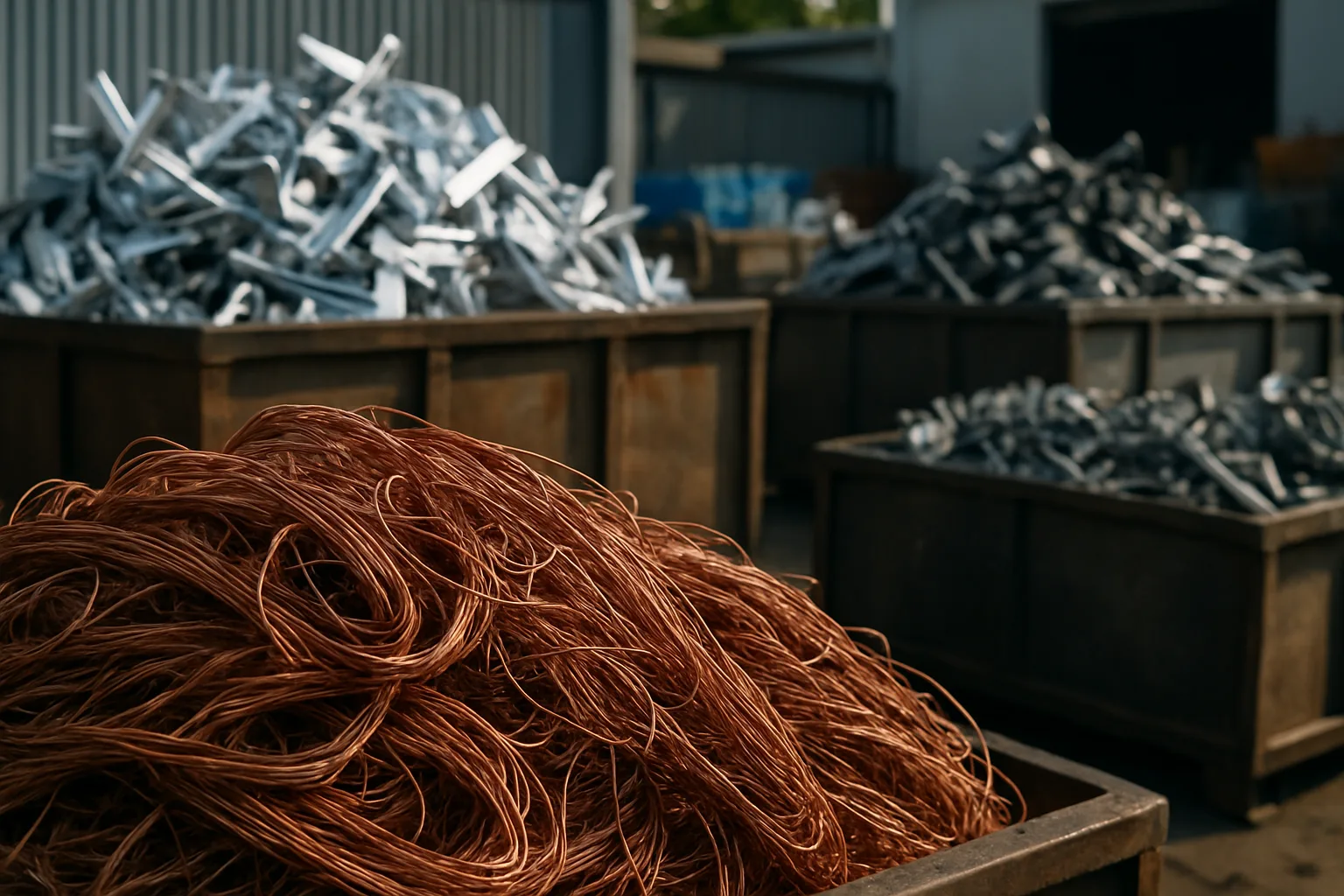
- Unload your material. Staff or you separate metals by type — steel, aluminum, copper, stainless, cast iron. Mixed loads often get downgraded to the lowest-value material in the mix.
- Drive back onto the scale. The difference between your full and empty weight gives the net weight of what you dropped off.
- Material gets graded. A yard employee assesses quality. Clean copper wire gets a different price than insulated wire. Painted steel is different from bare bright. Grade matters.
- You get a ticket and payment. The ticket shows weight, grade, price per pound, and total payout.
Understanding scrap metal prices today before you arrive is smart. Prices move with commodity markets — daily. A yard's posted price on a Tuesday might differ from Friday. If you're hauling a significant load, call ahead or check current rates online. And separate your metals before you arrive. A sorted load almost always nets more than a tangled mix.
If you want to find a scrap yard near you in the St. Louis area that accepts walk-in loads, start by confirming hours and accepted materials before you load the truck.
Scrap Yard Prices in St. Louis: What Drives the Numbers
Walk-in sellers in St. Louis often accept the first price offered because they don't know what else to do. That's leaving money on the table. Knowing how scrap yard prices St. Louis are set helps you ask better questions and make smarter decisions.
A few factors drive what you'll get paid at any yard on any given day:
- Global commodity markets. Copper, aluminum, and steel trade on exchanges. Your local yard's buy price is tied to those benchmarks, minus their processing margin.
- Material purity and prep. Clean, sorted, uncoated material commands higher prices. A bundle of clean aluminum extrusion is worth more than a mixed pile of painted scrap, even if the weight is the same.
- Volume. Larger loads often get better per-pound pricing. If you're a contractor or a business hauling consistently, you have more leverage than a one-time drop-off.
- Competition in the local market. This is the one most sellers ignore. If only one yard wants your copper, they set the price. If five buyers are competing for it, the market sets the price.
That last point is exactly where platforms like get competitive bids for your scrap metal through SMASH come in. Instead of accepting one yard's posted price, you put your load in front of vetted buyers who compete for it. More buyers means better price discovery. That's not a sales pitch — that's how commodity markets are supposed to work.
For St. Louis sellers moving regular volumes, this matters. Missouri sits at the crossroads of major freight lanes. There's regional buyer demand for ferrous loads, non-ferrous material, and specialty items like cats and cores. That demand should work in your favor — but only if you're reaching multiple buyers.
Common Mistakes First-Time Sellers Make at the Yard
Most first-trip mistakes are avoidable. Here's what trips people up and how to handle it.
Mixing metals. This is the single biggest margin killer for first-timers. Copper mixed with steel gets priced as steel. Aluminum mixed with zinc gets downgraded. Spend twenty minutes sorting before you load up. It pays off every time.
Not calling ahead. Not every yard takes every material. Some don't accept certain catalytic converter types. Some have restricted hours for specific loads. Call before you drive. If you're searching for a scrap yard open today near me open now, confirm by phone — hours change, especially around holidays.
Ignoring documentation for high-value items. Catalytic converters, copper pipe, and wire attract scrutiny because they attract theft. If you have clean documentation — a BOL, a receipt, proof of a demolition permit — bring it. It speeds up the transaction and builds credibility with the yard.
Accepting the first number without context. You don't have to be confrontational, but you're allowed to ask how the price was calculated. What grade did they assign your material? What's today's posted rate per pound? Asking questions is professional, not aggressive.
For businesses and contractors in Missouri hauling repeat loads, it's worth exploring options beyond single-yard walk-ins. You can read scrap yard guides and tips that break down how to structure recurring sales, negotiate better rates, and document loads properly for higher buyer confidence.
How SMASH Changes the Game for Sellers Beyond the Walk-In
Walk-in sales work fine for small, one-off loads. Got a pile of aluminum cans or a single junk appliance? Take it to the yard. But if you're moving volume — full loads of non-ferrous, catalytic converters, cores, or specialty metals — the walk-in model leaves margin behind.
SMASH runs a vetted buyer auction model. You document your inventory using photo documentation, serial tracking where applicable, and structured load descriptions. That information goes to vetted buyers who compete for your material. No subscription fees. No cold-calling three yards and hoping one calls back. You only pay when a deal closes.
That's a different model than walking up to a scale, and it's built for sellers who move enough volume that the per-pound difference actually matters. For St. Louis sellers with regular loads of cats, non-ferrous, or industrial scrap, the math is worth doing. If you're looking for St. Louis scrap metal services that go beyond the walk-in window, SMASH connects you with buyer competition that a single yard can't offer.
The old way was one buyer, one price, no leverage. The SMASH way puts your load in front of a market. That's how price discovery is supposed to work.
What Happens After You Sell: Paperwork, Payment, and Receipts
Don't walk away from a yard transaction without documentation. Every sale should produce a receipt — sometimes called a weight ticket or purchase slip — that shows the material grade, weight, price per pound, and total payout. Keep these.
If you're running a business, these receipts matter for bookkeeping and tax purposes. They also give you a price history you can use to benchmark future sales. Seeing that your copper yielded a certain price per pound last month tells you whether today's offer is competitive or not.
Payment timing varies by yard. Smaller loads often pay cash on the spot. Larger transactions may involve a check or bank transfer, sometimes processed next business day. Confirm the payment method before you unload — not after.
For sellers using SMASH, auto-invoicing handles the paperwork side automatically. You get a documented record of the transaction without chasing down paperwork from a busy yard office. Clean documentation is good for everyone — it gives buyers more confidence, and it gives sellers a paper trail.
If you're ready to start, locate the closest scrap yard to you and confirm what they accept before loading up. And if you're moving enough volume to want buyer competition working in your favor, the SMASH platform is built for exactly that. The best scrap yard near you isn't always the closest one — it's the one where your material gets its best price.
Frequently Asked Questions
Q: What do I need to bring to a scrap metal buyer near me in St. Louis?
At minimum, bring a government-issued photo ID — Missouri regulations require yards to log seller identity, especially for non-ferrous metals. If you're selling automotive parts, catalytic converters, or a junk vehicle, bring proof of ownership or vehicle registration. Documented loads process faster and often receive better offers.
Q: How are scrap yard prices in St. Louis calculated?
Prices are based on weight, material type, and grade — not negotiation. Your load is weighed on certified scales before and after unloading. Material gets assessed for purity and prep quality. Prices move daily with commodity markets, so checking current rates before you haul is always a good idea.
Q: How do I find a scrap yard open today near me right now?
Call ahead before you load up. Yard hours vary by location, and some adjust schedules around holidays or material restrictions. Search online for current hours, but always confirm by phone — posted hours online aren't always up to date.
Q: What is the SMASH scrap metal auction and how does it work?
SMASH is a platform that connects scrap sellers with vetted buyers through a competitive auction format. You document your inventory — including photos and serial tracking where applicable — and buyers compete for your load. There are no subscription fees; SMASH only earns when the deal closes. It's built for sellers moving volume who want more than a single walk-in price.
Q: Can I sell scrap metal as a first-timer without experience?
Yes. Scrap yards handle first-time sellers regularly. Bring your ID, sort your metals before you arrive, and ask the yard to explain how they graded your material. Starting with a simple, sorted load — clean aluminum, bare copper, or clean steel — makes your first trip straightforward. As your volume grows, platforms like SMASH give you access to buyer competition that a single yard can't offer.
Ready to sell smarter? Find the best scrap yard near you and explore your options at scrap-yard-near-me.com — and for sellers moving real volume, the buyer competition on SMASH is worth a look.
Stay current on scrap metal market trends and industry insights by following SMASH on LinkedIn.
Disclaimer: Scrap metal prices fluctuate daily based on commodity markets. Always check current rates directly with your local yard or buyer before hauling a load.