Most people use "junkyard," "salvage yard," and "scrap yard" like they mean the same thing. They don't. And if you're trying to sell metal, parts, or a vehicle in Dallas, knowing the difference could save you time — and put more money in your pocket.
This isn't just semantics. Each type of facility buys different materials, operates differently, and pays differently. Showing up at the wrong place with a load of copper wire or a stripped engine block wastes everyone's time. Let's break it down clearly so you walk in knowing exactly what you're dealing with.
Junkyard vs. Salvage Yard vs. Scrap Yard: The Core Differences
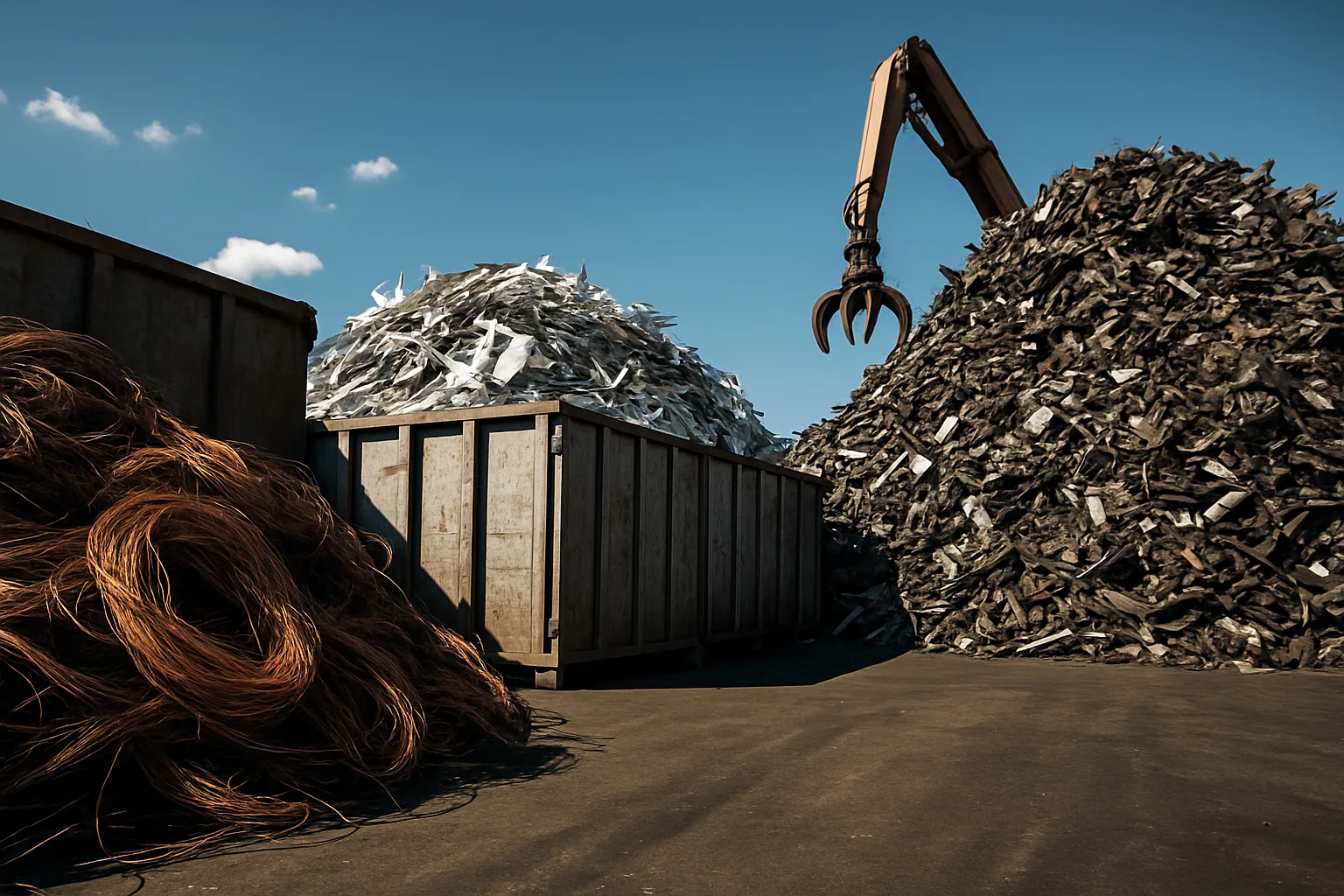
These three types of facilities exist on a spectrum. Think of it this way: junkyards are where cars go to wait. Salvage yards are where usable parts get pulled and resold. Scrap yards are where metal — in any form — gets weighed, processed, and sold by the ton to mills and smelters.
The overlap causes confusion. Some facilities do all three. But their primary business model, what they'll pay you for, and how they operate are different in ways that matter when you're trying to find a scrap yard near you.
- Junkyard: Primarily stores end-of-life vehicles. May sell whole cars for parts or crushing. Limited sorting. Often less regulated in how materials are catalogued.
- Salvage yard (auto salvage): Actively pulls or sells usable parts — engines, transmissions, doors, electronics. Inventory matters here. Parts are priced individually, not by weight.
- Scrap yard: Buys metal by weight. Ferrous (iron, steel) and non-ferrous (copper, aluminum, brass, stainless) are priced and processed separately. Volume and commodity pricing drive everything.
If you have a running engine to sell, an auto salvage yard gets you more. If you have a stripped shell with no usable parts, a scrap yard that pays by the ton is your move. In Dallas, you have access to all three — the key is matching your material to the right buyer.
What Auto Salvage Yards Actually Do (And What They Won't Buy)
Auto salvage yards are in the parts business. They take in vehicles, assess what's resalable, pull those parts, and list them for sale — either to walk-in customers or online buyers. A good salvage yard in Dallas might have thousands of parts in inventory at any given time, organized by make, model, and year.
What they pay for a vehicle depends heavily on what's left in it. A 2018 F-150 with a working engine and transmission is worth significantly more at a salvage yard than at a scrap yard. But that same truck with a blown motor, stripped interior, and missing catalytic converter? The salvage yard may not want it — or they'll offer scrap weight pricing anyway.
Things auto salvage yards typically buy:
- Vehicles with resalable engines, transmissions, or body panels
- Catalytic converters (cats) — these are a hot commodity
- Functioning electronics: ECUs, infotainment systems, sensors
- Doors, hoods, fenders with minimal damage
Things they often won't accept or won't pay well for:
- Completely stripped vehicles with no resalable parts
- Vehicles with severe fire or flood damage
- Loose scrap metal, wire, or non-automotive materials
One note on geographic keyword drift — if you've searched "auto salvage yards Fredericton" or similar Canadian terms, you're in different territory entirely. This guide is focused on the U.S. market, specifically Texas. Canadian facilities operate under different regulations, different metal pricing structures, and different environmental rules. Stay focused on your region when you search.
How Scrap Yards Price Metal — And Why Scrap Yard Prices Dallas Matter
Scrap yards are commodity businesses. The price you get is tied to global metal markets, local demand, and what grade your material actually is. Scrap yard prices in Dallas fluctuate week to week, sometimes day to day. Anyone who quotes you a firm price without seeing your material first is guessing.
Here's how pricing generally breaks down by category:
- Ferrous metals (steel, iron, cast): Priced per gross ton. Lower per-pound values but high volume. Think appliances, structural steel, auto bodies.
- Non-ferrous metals (copper, aluminum, brass, stainless, lead): Priced per pound. Significantly higher value. Copper wire, aluminum rims, brass fittings, catalytic converter cores.
- Catalytic converters: Priced individually based on make, model, and precious metal content (platinum, palladium, rhodium). VIN verification is increasingly standard practice.
The problem most sellers face? They don't know what grade their material is, and they have no way to verify whether the price they're being offered is fair. That's where platforms like smashscrap.com change the equation. Competitive bidding replaces the single-buyer guessing game. More buyers at the table means better price discovery — you see what the market actually thinks your load is worth.
Disclaimer: Metal prices fluctuate constantly based on global commodities markets. Always check current rates before selling. Prices referenced here are general ranges, not guaranteed offers.
Scrap Metal Inventory Management: Why Documentation Changes What You Get Paid
Here's the part most sellers ignore until they get burned. Whether you're dealing with a salvage yard or a scrap yard, how you document your material affects what you get paid — and whether the transaction goes smoothly at all.
Scrap metal inventory management isn't just a back-office issue for yard operators. It directly affects sellers too. If you bring in a load of mixed non-ferrous without any documentation — no packing list, no photos, no weight breakdown — you're at the buyer's mercy on grading. A buyer who can't verify what they're buying will discount aggressively to cover risk.
Documentation that strengthens your position:
- Photos of the material before transport — grade, condition, and composition
- Weight estimates from a certified scale if possible
- Bills of lading (BOLs) for commercial loads
- Serial numbers on higher-value items like catalytic converters or cores
- VIN documentation when selling vehicles or vehicle-derived parts
SMASH builds documentation directly into the selling workflow. Photo uploads, serial tracking, and inventory tools give buyers the confidence to bid higher — because they know what they're getting. Documented inventory gets better offers. That's not a marketing claim. That's how buyers manage risk.
If you're handling scrap yard guides and tips for a business — a fleet operation, a demolition crew, or a manufacturing facility — building a documentation habit before you sell is one of the highest-leverage things you can do.
A Word on Scrap Yard Safety: What the Risk of Fire Means for Sellers
Scrap yards deal with flammable materials, compressed gas cylinders, hydraulic fluid, and electrical components every day. A scrap yard fire is not a minor incident — it can shut down a facility for weeks, destroy inventory, and create environmental cleanup liabilities that take months to resolve.
Why does this matter to you as a seller? Because it affects what yards will and won't accept, and how they handle materials at intake. Most reputable scrap yards in Dallas and across Texas have strict intake protocols around:
- Fuel tanks — must be drained and often punctured before acceptance
- Compressed cylinders — propane, oxygen, acetylene are often refused or require special handling
- Batteries — lead-acid, lithium, and other battery types are handled separately
- Fluids — vehicles must have fluids removed before processing
If you're selling a vehicle or a load that includes any of these materials, call ahead. Ask the yard what their intake requirements are. Showing up with a car that still has a full gas tank creates a problem for everyone. Reputable yards follow Texas Commission on Environmental Quality (TCEQ) guidelines — that's not bureaucracy, it's how they stay operational.
The yards with strong safety protocols and documented processes are also typically the ones with vetted buyer networks and better transaction practices. Safety and professionalism tend to run together in this industry.
Finding the Right Facility for Your Needs in Dallas
Dallas has a dense network of scrap yards, salvage yards, and facilities that do both. The challenge isn't finding one — it's finding the right one for your specific material and getting a fair price when you get there.
Here's a practical framework for Dallas sellers:
- Identify your material type. Is it a vehicle with resalable parts? A load of non-ferrous metal? Structural steel from a demo job? The material type determines the facility.
- Check current prices before you go. Scrap yard prices in Dallas vary by facility and fluctuate with the market. A quick call or price check saves a wasted trip.
- Document before you transport. Photos, weights, and descriptions protect you during grading. Don't show up with an undocumented mixed load and expect top dollar.
- Get multiple offers when the load justifies it. For high-value loads — large quantities of copper, cats, or non-ferrous — a single phone call to one buyer is leaving money on the table.
If you're in the Dallas metro area, Dallas scrap metal services are well-established across the region — from the Design District to Garland to Grand Prairie. The infrastructure is there. The question is whether you're using it strategically or just defaulting to whoever's closest.
For loads where competition matters, SMASH connects sellers with vetted buyers across North America — so you're not limited to whoever answers the phone first. That competitive pressure is what gives you real price discovery instead of one buyer's best guess. When you're ready to explore your options, locate the closest scrap yard and start comparing what's available in your area.
The scrap industry rewards sellers who do their homework. Know your material, document it properly, and don't settle for a single offer on a load worth shopping around. Whether you're scrapping a vehicle, clearing a shop, or managing industrial material on an ongoing basis, the right facility and the right process make a real difference. Start by finding what's near you at scrap-yard-near-me.com — and go in prepared.
Frequently Asked Questions
Q: What's the difference between a junkyard and a scrap yard near me in Dallas?
A junkyard primarily stores end-of-life vehicles, often with limited sorting or parts activity. A scrap yard buys metal by weight and processes it for recycling. In Dallas, some facilities operate as both — but their pricing and intake processes are different. Call ahead to confirm what they buy and how they price it.
Q: Where can I find a scrap metal buyer near me in Dallas?
Dallas has a well-developed network of scrap yards and metal recycling facilities across the metro area. Your best starting point is searching by your specific material type — non-ferrous, auto bodies, structural steel — since different facilities specialize in different materials. Platforms like SMASH also connect Dallas-area sellers with vetted buyers for larger or higher-value loads.
Q: How do scrap yard prices in Dallas get set?
Scrap yard prices are tied to global commodity markets — primarily the London Metal Exchange (LME) for non-ferrous and domestic steel indices for ferrous metals. Local supply, demand, and processing costs also factor in. Prices change frequently, so always confirm current rates before transporting a load. Never rely on prices quoted more than a few days ago.
Q: Do I need to drain fluids from my car before taking it to a scrap yard in Texas?
Most scrap yards in Texas require vehicles to have fluids drained or will handle it themselves as part of their intake process — but requirements vary by facility. Call ahead and ask. Yards operating under TCEQ guidelines have specific protocols around hazardous fluids, fuel tanks, and batteries. Showing up without checking first can slow down your transaction significantly.
Q: Can I sell catalytic converters separately at a scrap yard near me?
Yes — most scrap yards and salvage yards in Dallas buy catalytic converters separately. They're priced individually based on precious metal content and vehicle make and model. Many yards now require VIN documentation or proof of ownership to comply with Texas anti-theft regulations. Bring documentation and expect the yard to verify the converter before offering a price.
Stay current on scrap metal markets and yard industry news — follow SMASH on LinkedIn for ongoing insights, price trends, and updates from across the North American recycling industry.