Why How You Load Matters as Much as Where You Sell
Most people obsess over finding the best price for their scrap. Fair enough. But plenty of sellers show up at a yard with an unsafe load and lose time, money, or both — before a single pound gets weighed. If you're hauling scrap metal to a metal recycling near me Rochester facility this summer, loading your vehicle correctly isn't optional. It's how you protect yourself, your truck, and your payout.
This guide breaks down exactly how to load and transport scrap metal safely. Whether you're clearing out a garage in Rochester's South Wedge neighborhood or running a full commercial load from a job site, these tips apply. Get it right the first time and you'll move faster at the scale, avoid rejection, and keep your vehicle in one piece.
Before You Load: Sort First, Save Time Later
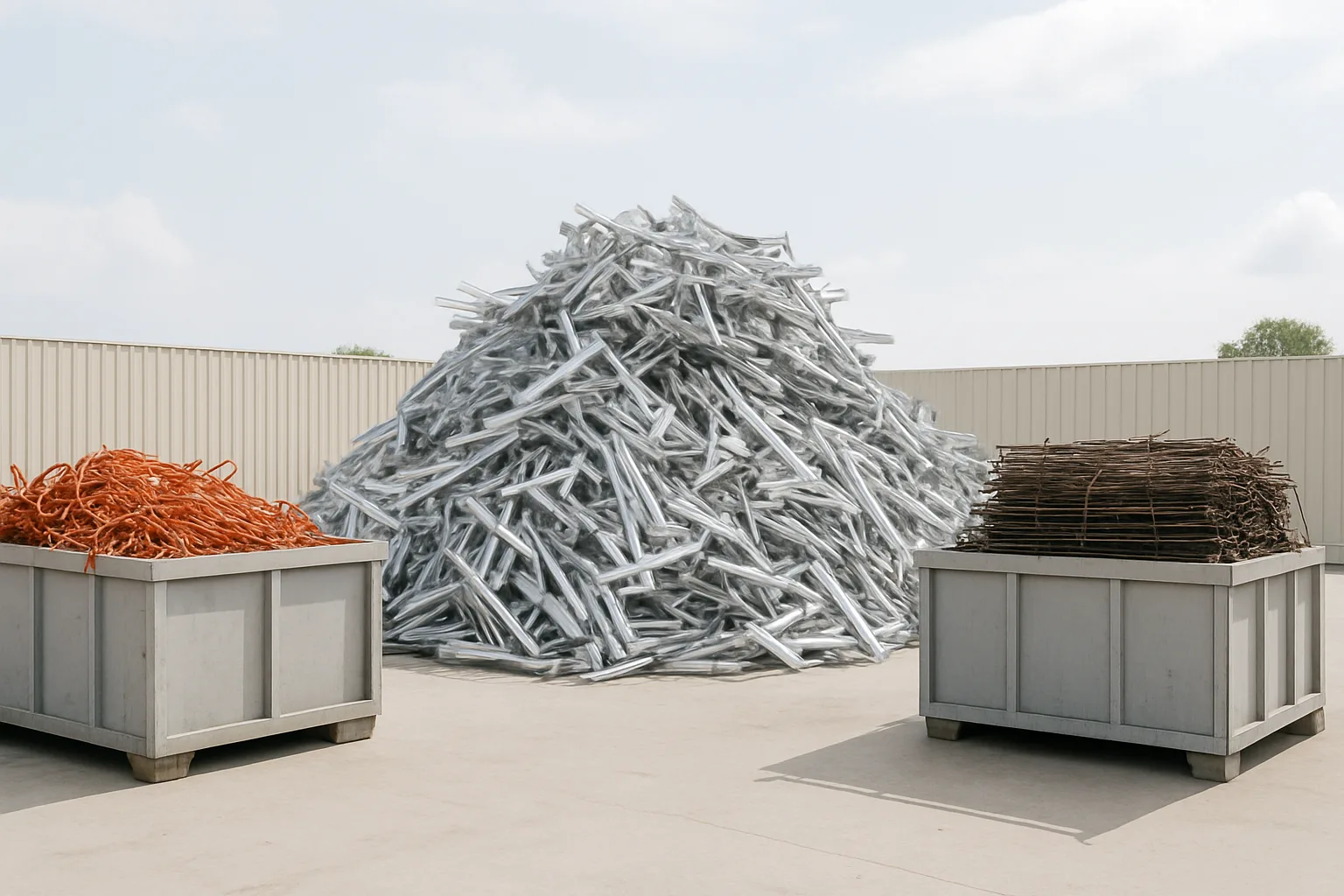
Sorting before you load is the single biggest time-saver most sellers skip. Yards pay different rates for different metals — copper, aluminum, steel, cast iron, and stainless all move on separate price tiers. If your load arrives as one mixed pile, the yard may value the whole thing at the lowest rate present. That costs you money you earned.
Sort your material into categories before it goes on the truck:
- Ferrous metals — steel, iron, car bodies, structural scrap
- Non-ferrous metals — copper wire, aluminum extrusions, brass fittings, stainless steel
- Catalytic converters (cats) — always separate, always documented with serial numbers if possible
- Mixed loads — only if you genuinely can't separate; expect a blended rate
If you're selling non-ferrous material — especially cats or copper — photo documentation before you load matters. This protects you in disputes and builds credibility with buyers. Platforms like sell your scrap metal on the SMASH marketplace let you document loads with photos and serial tracking before they even leave your property. That's the kind of prep that gets serious buyers paying serious attention.
Vehicle Selection: Match Your Load to Your Hauler
Scrap metal is dense. Steel and iron push well over 400 pounds per cubic foot when compacted. Overloading a half-ton pickup or a trailer with worn suspension isn't just dangerous — it's illegal in New York and can result in roadside fines that eat straight into your margin.
Here's a quick guide to matching load to vehicle:
- Half-ton pickup (F-150, Silverado 1500, etc.) — rated payload typically 1,000–2,000 lbs depending on configuration. Non-ferrous and light aluminum loads only. Never stack heavy iron.
- Three-quarter or one-ton pickup (F-250, Ram 2500/3500) — better for heavier steel and mixed loads. Know your GVWR and stay under it.
- Utility trailer — useful for volume, but check your trailer's rated capacity and your hitch class. A Class III hitch handles 3,500–5,000 lbs max.
- Flatbed trailer or dump trailer — best choice for large ferrous loads, appliances, or structural steel. Easier to unload at the yard too.
- Box truck or roll-off — commercial haulers running regular loads should be using these. Talk to the yard in advance about commercial drop-off procedures.
If you're unsure what your vehicle can handle, check the driver's door jamb sticker for the payload rating. Don't guess. An overloaded truck handles badly on New York roads — and Rochester's pothole-tested streets in particular aren't forgiving of a sagging rear suspension.
Loading Tips: How to Stack Scrap Without Wrecking Your Truck or Yourself
Loading scrap isn't just throwing metal in the back. Done wrong, it shifts in transit, punctures tires, damages your truck bed, or creates projectile hazards for other drivers. Done right, it loads fast, unloads faster, and arrives at the yard in the condition the buyer expects.
Put the heaviest material down first. Dense steel, cast iron engines, and large structural pieces go on the bottom. Lighter aluminum, wire, and non-ferrous material stacks on top. This keeps your center of gravity low and reduces load shift on turns and stops.
Flatten and nest where possible. Sheet metal and appliance skins nest inside each other. Tubing can be bundled. Loose wire coils should be tied. You're not just saving space — you're reducing the chance a piece of angle iron slides forward under hard braking.
Use a bed liner or plywood base. Sharp edges and bare truck beds are a bad combination. A sheet of 3/4" plywood under heavy, sharp scrap protects your truck bed and makes it easier to slide loads off at the yard.
Sharp edges face inward or down. Cut pipe, rebar ends, sheared sheet metal — orient these so they're not pointing outward or toward the cab. A sharp edge facing the cab is a hazard if the load shifts on a hard stop.
Tie it down. Every time. New York law requires loads to be secured. Use ratchet straps over the load, not just bungee cords. For heavy steel, at least two straps crossing the load. For mixed non-ferrous material in totes or barrels, strap the containers down individually.
Use a tarp on loose material. Loose wire, small parts, and light aluminum can blow out of an open truck bed at highway speed. A tarp or cargo net keeps your load contained and keeps other drivers safe.
At the Yard: What to Expect When You Arrive
Knowing what happens when you pull in saves you time and frustration — especially if it's your first visit. Rochester has several active yards, and most follow a similar intake process.
- Check in at the scale house. Most yards will weigh your vehicle loaded before you unload, and again after. The difference is your net scrap weight. Have your ID ready — New York law requires yards to record seller identification on most transactions.
- Follow yard traffic directions. Yards are active industrial sites. Stay in your vehicle unless directed otherwise. Watch for loaders, forklifts, and other trucks. Move when they tell you to move.
- Unload at the designated area. Different materials often go to different drop areas. Ask if you're unsure. Mixing your sorted load on the wrong pile wastes your sorting work.
- Get a receipt. Every transaction should produce a written ticket showing the weight and price per pound for each material category. Review it before you leave.
- Check the payout method. Some yards pay cash. Others pay check. A few handle bank transfer for larger commercial loads. Know what to expect before you show up — especially if you're hauling a large non-ferrous load.
If you're selling cats, copper, or other high-value non-ferrous material, consider running a competitive auction through a platform like SMASH before committing to a single yard's offer. More buyers means better price discovery. That's not a sales pitch — it's how markets work. You can find a scrap yard near you for your ferrous loads and still use an online platform for the non-ferrous material that's worth the extra step.
Scrap Metal Buyer Near Me Rochester: Finding the Right Yard for Your Load
Not every yard takes every material. Some Rochester-area facilities specialize in auto salvage and whole vehicles. Others focus on industrial non-ferrous. A general yard will take your mixed load, but may not offer the best rate on specialty material like electric motors, ACR copper, or catalytic converters. Calling ahead takes two minutes and saves a wasted trip.
When you call, ask:
- Do you take [specific material] today?
- Are you a scrap yard open today near me — confirm hours before you drive?
- Do you have a minimum load size?
- What's the current rate for [material] — understanding it can change?
- Do you need ID or documentation for this type of material?
If you're not sure which yards near you take what, locate the closest scrap yard using scrap-yard-near-me.com and filter by location and material type. It's a faster starting point than calling five yards blind. And if you want to go broader — especially for non-ferrous loads worth competing on — you can read scrap yard guides and tips on everything from how cats are graded to what documentation buyers actually want to see.
Personal Protective Equipment and Legal Basics You Can't Skip
Scrap metal is sharp, heavy, and sometimes contaminated. A quick safety checklist before every haul:
- Heavy gloves — cut-resistant, not just work gloves. Sheet metal edges are surgical.
- Steel-toed boots — non-negotiable when loading heavy material.
- Eye protection — especially when cutting or breaking down material before loading.
- Long sleeves — protects arms from burrs and sharp edges during loading.
- Back support / proper lift technique — scrap is awkward. Lift with your legs. Use dollies or pry bars for heavy pieces.
On the legal side: New York requires scrap dealers to record seller ID on most transactions. If you're selling catalytic converters, you may need to provide additional documentation — serial numbers, proof of ownership, or a bill of sale depending on the yard's compliance requirements. Don't show up without it and expect a smooth transaction. If you're unsure what a specific yard requires, ask when you call ahead.
Selling scrap doesn't have to be complicated. Sort it, secure it, match your vehicle to your load, and call ahead. If you're in Rochester or anywhere across New York, the right prep gets you in and out of the yard faster — and with a better ticket in your hand. When you're ready to move a load, find a scrap yard near you at scrap-yard-near-me.com and get it done.
Frequently Asked Questions
Q: What's the safest vehicle for hauling scrap metal to a yard near Rochester?
A three-quarter or one-ton pickup truck is the most practical option for most loads. Check your vehicle's payload rating on the door jamb sticker before loading. Overloading is both dangerous and illegal on New York roads.
Q: Do I need to sort my scrap metal before arriving at a metal recycling facility near me in Rochester?
You don't have to, but sorting pays. Mixed loads often get valued at the lowest rate in the mix. Separating ferrous from non-ferrous — and especially isolating copper, aluminum, and cats — can meaningfully improve what you walk out with.
Q: Can I sell scrap metal online instead of driving to a yard?
For high-value non-ferrous loads — copper, cats, aluminum — yes. Platforms like SMASH let you list documented loads and receive competitive bids from vetted buyers across North America. It's worth the extra step when the material is valuable enough to compete on price.
Q: What ID do I need to bring to a scrap yard in New York?
New York law requires scrap yards to record seller identification on most transactions. Bring a valid government-issued photo ID. For catalytic converters or other regulated material, some yards require additional documentation — call ahead to confirm.
Q: How do I find a scrap yard open today near me in the Rochester area?
Always call ahead or check online before you load and drive. Yard hours vary, and some facilities close early on Fridays or are closed weekends. Use scrap-yard-near-me.com to locate facilities near you and confirm current hours before you leave.
---Ready to move your next load? Find the best scrap yard near you — check locations at scrap-yard-near-me.com. And if you're sitting on non-ferrous material worth competing on, don't settle for one phone call and one price — take it to market.
Follow SMASH on LinkedIn for scrap metal market updates, pricing trends, and industry insights that actually help you run a better operation.