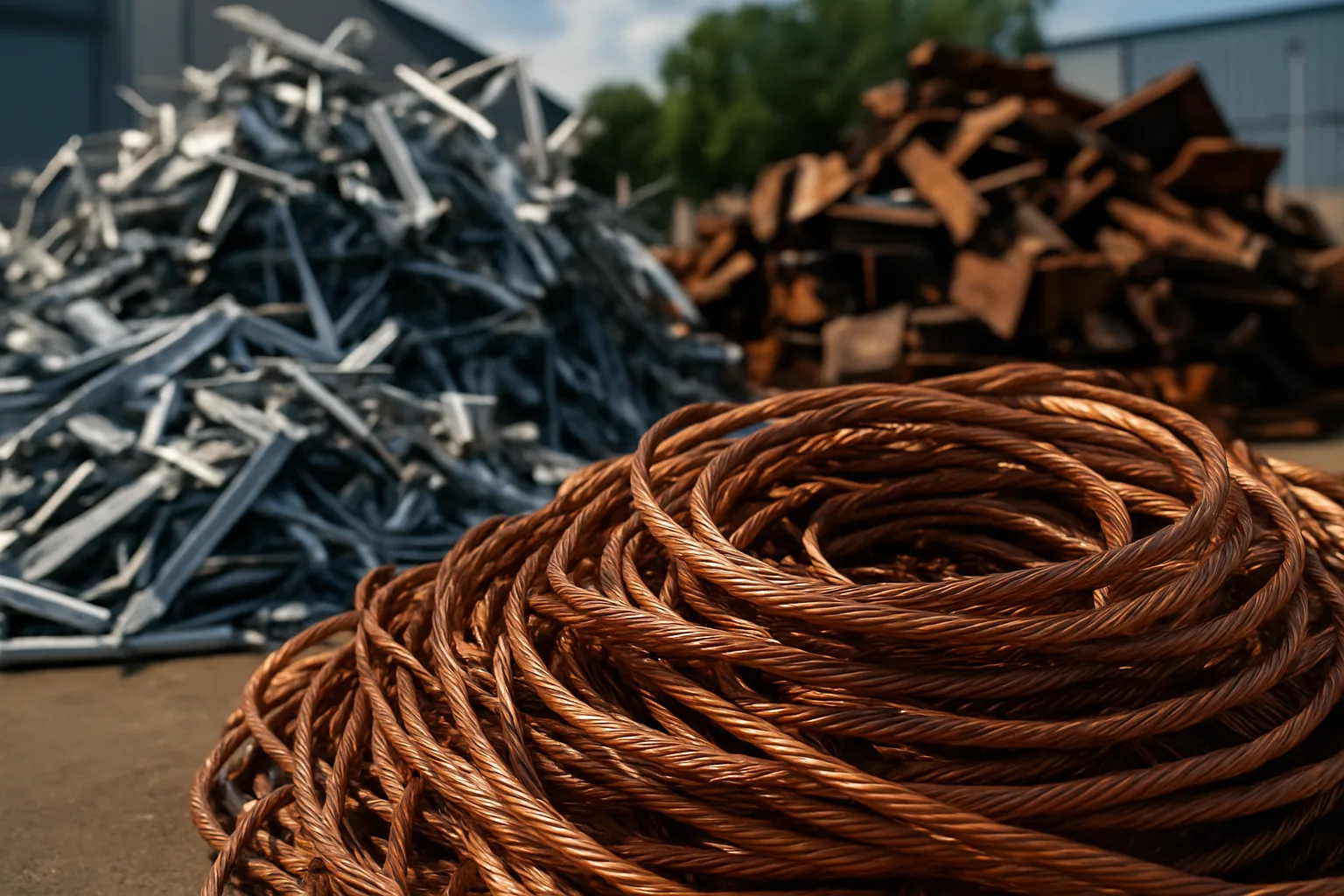
Most people leave money on the table before they ever pull into a scrap yard. Not because the yard is ripping them off — but because they showed up unprepared. Sorted metal pays more than mixed piles. Clean loads move faster. Documented inventory builds buyer confidence. If you're heading to the best scrap yard Richmond has available, a little prep work before you load the truck makes a real difference.
This guide cuts through the guesswork. Whether you're clearing out a shop, scrapping an old HVAC unit, or unloading a truckload of non-ferrous, here's exactly how to prepare your scrap metal before you arrive — so you walk out with more cash and fewer headaches.
Why Preparation Matters More Than You Think
Yards price scrap based on what they can actually do with it. Mixed loads require extra labor to sort. Contaminated metal — paint, insulation, plastic attachments — lowers the grade they can assign it. When a buyer sees a disorganized pile, they price for the worst-case scenario. That caution costs you.
Clean, sorted, documented loads do the opposite. They remove uncertainty. The buyer knows what they're getting, which means they can offer a sharper number. At auction platforms like smashscrap.com, documented inventory with photos and serial tracking consistently attracts more competitive bids — because buyers are bidding on something they can trust, not something they have to guess at.
The prep work doesn't need to be complicated. It just needs to happen before you arrive, not after.
Sort Your Metal Before You Leave Home
This is the single most impactful step you can take. Yards pay different rates for different metals, and they pay less when they have to do the sorting themselves. Separate your load into at least these basic categories before you pull out of the driveway:
- Ferrous metals — steel, iron, cast iron (magnetic)
- Copper — bare bright, #1, #2, and insulated wire are all priced differently
- Aluminum — extrusions, cast, sheet, cans (yes, they're graded separately)
- Brass — fittings, valves, shell casings
- Stainless steel — keep it away from regular steel
- Catalytic converters (cats) — never mix these in; they need separate documentation
A magnet from the hardware store is your best tool here. If it sticks, it's ferrous. If it doesn't, you've got something more valuable. Get in the habit of testing every piece before it goes in the truck. It takes minutes and pays off at the scale.
Clean It Up — Contamination Kills Your Grade
Grade determines price. A piece of copper pipe with plastic fittings still attached doesn't get priced as clean copper — it gets downgraded until someone strips it. That someone is the yard, and they charge for the time it takes.
Before you load up and find a scrap yard near you, take the time to:
- Strip insulation from copper wire where it's practical (bare bright pays significantly more than insulated)
- Remove rubber, plastic, or wood attachments from metal components
- Cut aluminum extrusions away from steel fasteners
- Drain any fluids from tanks, radiators, or hydraulic components
- Remove batteries from equipment before scrapping (batteries are a separate category entirely)
You don't need to be perfect. Yards deal with imperfect loads every day. But every attachment you remove is a grade bump you're fighting for. In Virginia's summer heat, working outside for an extra hour before the trip is worth it when you see the difference on the scale ticket.
Document Your Load — Especially Cats, Cores, and Non-Ferrous
Documentation isn't just paperwork. It's leverage. When a buyer knows exactly what's in a load — weights, grades, photos, serial numbers on catalytic converters — they bid with confidence. Confidence produces competition. Competition is how you find out what your material is actually worth.
For sellers using SMASH, this is built into the process. The platform's inventory tool, VIN lookup, and serial tracking features let you document a load before it ever goes to auction. Photo documentation of your cats and cores means buyers across the network can bid on your material without the guesswork that usually deflates an offer. More buyers means better price discovery — that's not a sales pitch, that's just how markets work.
Even if you're heading straight to a local yard in Richmond, bring a basic inventory list. Weight estimates, metal types, any notable pieces (large motors, full radiators, etc.). Yards respect prepared sellers. It speeds up the intake process and shows you know your material.
Know the Rules Before You Arrive — Especially on Weekends
If you're looking for scrap yards open today on Sunday, don't assume every yard operates seven days a week. Hours vary significantly by location, and some yards in Virginia run reduced staff on weekends, which can mean longer wait times and fewer graders on the floor.
Call ahead. Confirm hours, confirm what materials they're accepting that day, and ask if there are any restrictions on load size or type. Some yards have temporary holds on certain materials due to market conditions or capacity. Finding out at the gate after a long drive is avoidable.
A few other rules to know before you go:
- ID requirements: Virginia state law requires valid photo ID for selling scrap — most yards also record license plate numbers
- Catalytic converters: Documentation requirements for cats have tightened significantly across Virginia in 2026 — expect to provide vehicle information or proof of ownership
- Load vehicle restrictions: Some yards near downtown Richmond limit commercial truck access during peak hours
- Payment methods: Ask whether they pay same-day cash, check, or electronic transfer — policies differ
For Richmond scrap metal services, confirming this information ahead of your visit saves you time and avoids surprises at the gate.
Use Competitive Pricing to Your Advantage
Walking into a single yard with no reference point is the old way. One buyer, one offer, take it or leave it. That's not a market — that's a guess dressed up as a transaction.
Before you commit your load to any single buyer, do some homework. Check posted spot prices online (always treat these as a reference, not a guarantee — prices fluctuate daily based on commodity markets). Call two or three local yards and ask what they're paying for your specific grade of material. And for larger loads, consider platforms designed to create actual competition among vetted buyers.
That's exactly what SMASH was built for. Instead of calling one buyer and hoping the number is fair, your load goes to auction in front of a network of vetted buyers. Competition reveals the market. You're not leaving money on the table because you didn't know what the market was actually willing to pay.
You can locate the closest scrap yard for a quick drop-off, or use a platform like SMASH for larger, higher-value loads where the difference between a mediocre offer and a competitive one matters more. Both options have their place. Knowing which tool fits the situation is part of being a prepared seller.
A Quick Pre-Trip Checklist for Richmond Sellers
Before you load up and head out, run through this list. It takes five minutes and pays off every time.
- Sort ferrous from non-ferrous (use a magnet)
- Separate copper grades — bare bright, #1, #2, insulated
- Strip attachments where practical
- Drain fluids from any tanks or components
- Pull catalytic converters aside with documentation ready
- Write a basic inventory list with estimated weights
- Take photos of your load before it's unloaded
- Confirm yard hours and ID requirements
- Check reference prices before you arrive
- Know your payment preference and ask upfront
This isn't complicated. It's just discipline. The sellers who consistently get the best returns from the best scrap yard Richmond offers aren't always the ones with the biggest loads — they're the ones who show up prepared.
Whether you're a one-time seller cleaning out a garage or a yard operator moving regular loads, preparation is the edge you control. You can't control the commodity market. You can control how ready your material is when it hits the scale.
Ready to find where to take your load? Read scrap yard guides and tips or head to scrap-yard-near-me.com to find trusted facilities across Virginia and the rest of the country.
Frequently Asked Questions
Q: What's the best scrap yard in Richmond, VA for non-ferrous metal?
The best yard for non-ferrous depends on what grades you're selling and what prices they're posting that day. Call ahead and ask specifically about copper, aluminum, and brass rates — don't rely on generic posted prices. For larger or more complex loads, platforms like SMASH let vetted buyers compete for your material, which can produce a sharper number than a single-yard offer.
Q: Do I need an ID to sell scrap metal in Richmond, Virginia?
Yes. Virginia law requires valid government-issued photo ID when selling scrap metal. Most yards will also record your license plate number and may photograph your load, especially for catalytic converters or higher-value non-ferrous. Bring your ID every time — no exceptions.
Q: Are there scrap yards open today on Sunday near Richmond?
Some yards in the Richmond area operate on Sundays, but hours are often reduced. Always call ahead to confirm Sunday hours before loading up your truck. Weekend staffing can also mean longer wait times at the scale, so plan accordingly.
Q: How do I get the most money for my scrap metal?
Sort your metal before you arrive, clean off non-metal attachments, and document your load. Then compare prices across at least two or three buyers before committing. For larger loads, competitive auction platforms like SMASH give you access to multiple vetted buyers at once — more competition typically means better price discovery than a single buyer offer.
Q: What documentation do I need for catalytic converters in Virginia?
As of 2026, Virginia has tightened regulations around catalytic converter sales. You'll generally need to provide the vehicle's VIN, proof of ownership or title, and valid photo ID. Requirements vary by yard, so confirm before you arrive. Proper documentation protects you legally and speeds up the transaction.
Preparation is the part of this process you control. Sort your load, clean your metal, document what you've got, and show up knowing what your material is worth. If you're in the Richmond area or anywhere else in Virginia, you can find a scrap yard near you and compare your options at scrap-yard-near-me.com.
Follow SMASH on LinkedIn for ongoing industry updates, scrap metal market insights, and news that affects what your loads are worth.
```