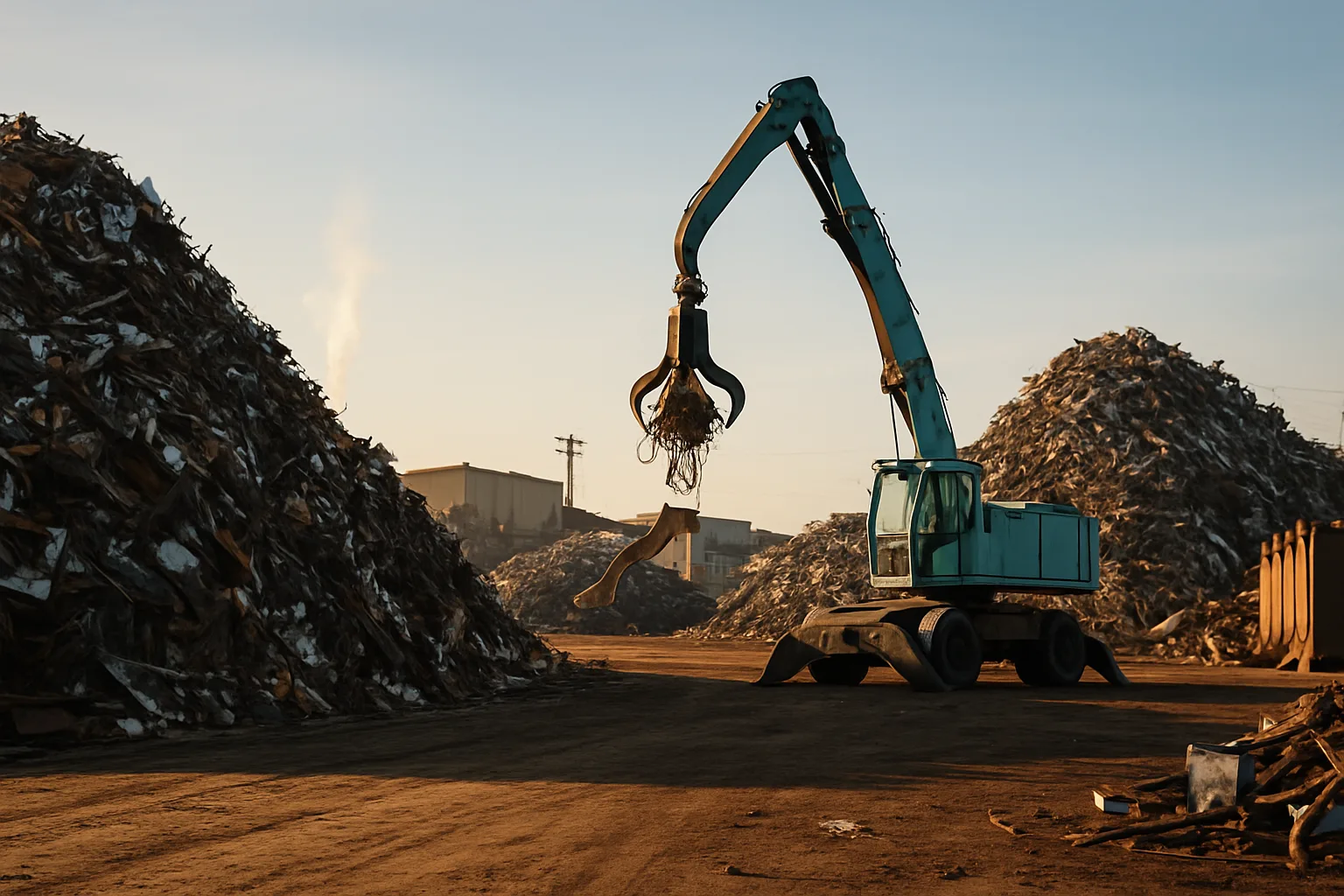
Most people think selling scrap metal is simple: show up, drop off, get paid. But behind every compliant scrap yard in San Francisco is a stack of permits, environmental protocols, and state regulations that the operator has to navigate daily. That complexity isn't a barrier — it's actually a signal. When a yard follows the rules, you get a cleaner transaction, better documentation, and a buyer who's actually accountable.
This article breaks down the environmental regulations that shape how scrap yards operate in California, what that means for sellers and buyers, and how platforms like compare scrap metal bids from verified buyers are making the compliant side of this business easier to find and use.
---Why Environmental Regulations Hit Harder in California
California has some of the strictest environmental rules in the country. The California Environmental Protection Agency (CalEPA), the Department of Toxic Substances Control (DTSC), and regional air quality management districts all have jurisdiction over how scrap yards handle metals, fluids, and waste streams. That's before you layer on local permitting from the City and County of San Francisco.
For a scrap yard operating near residential neighborhoods or waterways — which describes a lot of urban facilities in the Bay Area — those rules govern everything from stormwater runoff to how catalytic converters are stored before resale. A yard that's cutting corners on compliance isn't just a legal risk to themselves. They're a risk to you as a seller.
Here's what's actually regulated at most California scrap yards:
- Hazardous waste handling — batteries, mercury switches, and brake fluid require specific disposal protocols
- Stormwater management — yards must prevent metal-contaminated runoff from reaching storm drains or soil
- Air quality compliance — cutting, shredding, and processing operations face emission controls
- Used oil and fluids — vehicles and parts must be drained before processing, with fluids collected separately
- Catalytic converter tracking — California law requires detailed documentation on every cat that enters a yard
- Record-keeping and seller ID — yards must log transactions, capture IDs, and in many cases hold payment to deter theft
None of this is optional. A yard that ignores these requirements risks fines, license suspension, and in serious cases, criminal liability. As a seller, you want to work with yards that take this seriously — because those yards also tend to be more transparent about pricing and documentation.
---Catalytic Converter Regulations: The Strictest Corner of the Yard
If you've tried to sell a catalytic converter in San Francisco recently, you already know this category operates under its own rulebook. California has enacted some of the toughest cat regulations in the country, requiring yards to document the source of every converter they purchase — including VIN verification for converters removed from vehicles.
The reason is straightforward: catalytic converters contain platinum, palladium, and rhodium, making them a high-value target for theft. State legislators pushed hard to make laundering stolen cats through scrap yards harder. The result is a documentation chain that responsible yards now enforce on every single transaction.
What this means in practice:
- Proof of ownership — you'll need to show where the cat came from (vehicle title, repair shop invoice, or demolition paperwork)
- VIN lookup — many yards and platforms now cross-reference the cat against a vehicle VIN before purchase
- Serial tracking — converter serial numbers or etched codes are increasingly required for traceability
- Photo documentation — yards document the physical condition and markings of each unit
- Payment holds — California mandates holding payment for a defined period on certain transactions to allow law enforcement checks
For legitimate sellers — recycling shops, auto dismantlers, repair facilities — these rules are inconvenient but manageable. The upside is that compliant platforms that handle catalytic converter auctions, like SMASH, build these documentation requirements directly into the transaction workflow. You're not hunting down paperwork after the fact. It's baked in from the start.
If you're running a shop that regularly moves cats, a catalytic converter auction format means your documented inventory goes out to multiple vetted buyers simultaneously. That's better price discovery than a single phone call to one yard — and it's done with a paper trail that keeps you clean.
---What Compliant Scrap Yards Actually Look Like on the Ground
Regulations on paper are one thing. What does a compliant operation actually look like when you pull up to a yard in California?
A well-run yard is going to ask for ID. They'll photograph your load. They might require a packing list for mixed non-ferrous material or a bill of lading (BOL) if you're dropping a large shipment. If you're selling cores or used auto parts, they'll want to confirm the source. None of this is harassment — it's the documentation chain that keeps the yard licensed and keeps you protected.
You'll also notice physical infrastructure. Compliant yards have:
- Concrete pads or berms to contain fluid runoff
- Covered storage for mercury-containing components
- Designated battery collection areas with proper containment
- Fluid draining stations for vehicles before crushing or shredding
- Secured storage for high-value non-ferrous material like copper, aluminum, and cats
These aren't cosmetic upgrades. They're required. And they cost money to maintain, which is part of why compliant yards have overhead that a cash-only, no-questions operation doesn't. When you find a scrap yard near you, it's worth doing a quick check — look for signage about their licensing, ask whether they're registered with DTSC, and notice whether the facility looks organized. A chaotic, undocumented yard is a liability for everyone.
---How SMASH Helps Sellers Navigate Compliance Without the Headache
Here's the honest problem with compliance in 2026: regulations are tighter, documentation requirements have expanded, and the average seller — a dismantler, a yard operator, a shop moving a load of cats or non-ferrous — doesn't have time to manually chase down paperwork for every transaction.
That's where SMASH comes in. The platform is built for the realities of modern scrap and recycling, including the regulatory weight that comes with it. Features like VIN lookup, serial tracking, and photo documentation aren't bolt-ons. They're core to how inventory moves through the system.
When you list a load on SMASH, you're building the documentation chain as you go. Photos get attached at intake. Serial numbers are logged. Buyers see verified inventory — not a vague description over the phone. That transparency gives vetted buyers more confidence to bid competitively. And auto-invoicing means the transaction record exists from day one, not pieced together later when someone asks for paperwork.
For California sellers dealing with cats specifically, the documentation tools align directly with what state law requires. You're not creating compliance separately from your sales process. They happen together.
No subscription fees. You only pay when a deal closes. That model works because the platform only wins when the seller wins — and compliant, documented loads tend to attract more serious buyers.
---Finding Compliant Metal Recycling Near Me in San Francisco
San Francisco isn't easy territory for scrap yards. Real estate costs are high, zoning is restrictive, and environmental enforcement from both city and state agencies is active. The yards that survive in this market tend to be the ones running tight operations — because they have to be.
That's actually good news for sellers. When you're searching for metal recycling near me San Francisco, the regulated environment means the yards still operating in and around the city have typically cleared a higher bar than you'd find in less-regulated markets. They've got their permits. They're managing their waste streams. They're keeping records.
Still, not every yard is equal. Some focus on ferrous loads — steel, iron, prepared material. Others specialize in non-ferrous, handling copper, aluminum, and catalytic converters as their primary business. If you're a shop or a dismantler moving volume, knowing which yards handle your material category well matters more than just finding the closest location.
Use tools that help you sort that out. Locate the closest scrap yard to your operation, but also look at what they accept, how they price, and whether their documentation process matches what California law requires for your material type. For Bay Area sellers moving regulated materials, those details matter as much as the price per pound.
And if you're moving enough volume to warrant a competitive auction format, platforms like SMASH let you reach vetted buyers beyond just the yards within driving distance. More buyers means better price discovery. That's true whether you're in San Francisco or anywhere else in North America.
Ready to stop guessing and start selling smarter? Read scrap yard guides and tips to sharpen your approach — then put it into practice. Find the best scrap yard near you and check current locations at scrap-yard-near-me.com. The right yard, with the right compliance record, is worth the extra five minutes of research.
---Frequently Asked Questions
Q: Do I need to show ID when selling scrap metal in San Francisco?
Yes. California law requires scrap yards to record seller identification for most transactions, particularly for non-ferrous metals and catalytic converters. Expect to show a government-issued ID and, depending on the material, proof of ownership or source documentation. This is standard practice at any compliant yard.
Q: What documentation do I need to sell catalytic converters near me in San Francisco?
At minimum, you'll typically need a valid ID, proof of where the converter came from (vehicle title, repair invoice, or demolition paperwork), and the VIN of the vehicle it was removed from. California's catalytic converter laws are among the strictest in the country — compliant yards will walk you through their specific requirements before they process the purchase.
Q: How do I know if a scrap yard near me in California is properly licensed?
Licensed yards in California are registered with the Department of Toxic Substances Control (DTSC) and hold local business permits. You can ask the yard directly for their DTSC registration number. A compliant yard won't hesitate to provide it. Physical signs of compliance — proper fluid containment, organized storage, documented intake — are also reliable indicators.
Q: Can I get better prices by using an auction platform instead of selling directly to a local scrap yard?
Competition can help reveal the true market value of your load. When multiple vetted buyers bid on your documented inventory, you're not relying on a single yard's offer. Platforms like SMASH use an auction format specifically to create that competitive dynamic — documented inventory with photo evidence and serial tracking tends to attract more confident bids.
Q: What is a scrap metal buyer near me in San Francisco likely to pay for copper or aluminum in 2026?
Prices vary based on grade, volume, and current market conditions. Copper and aluminum prices fluctuate with commodity markets, so the rate you get today may differ from last week's quote. Always check current rates directly with yards or through a platform that shows live or recent bid data. Disclaimer: All scrap metal prices fluctuate. Check current rates before selling.
---Stay current on scrap metal market trends and yard regulations — follow SMASH on LinkedIn at linkedin.com/company/scrap-metal-auction-sales-hub for industry updates, pricing insights, and compliance news.