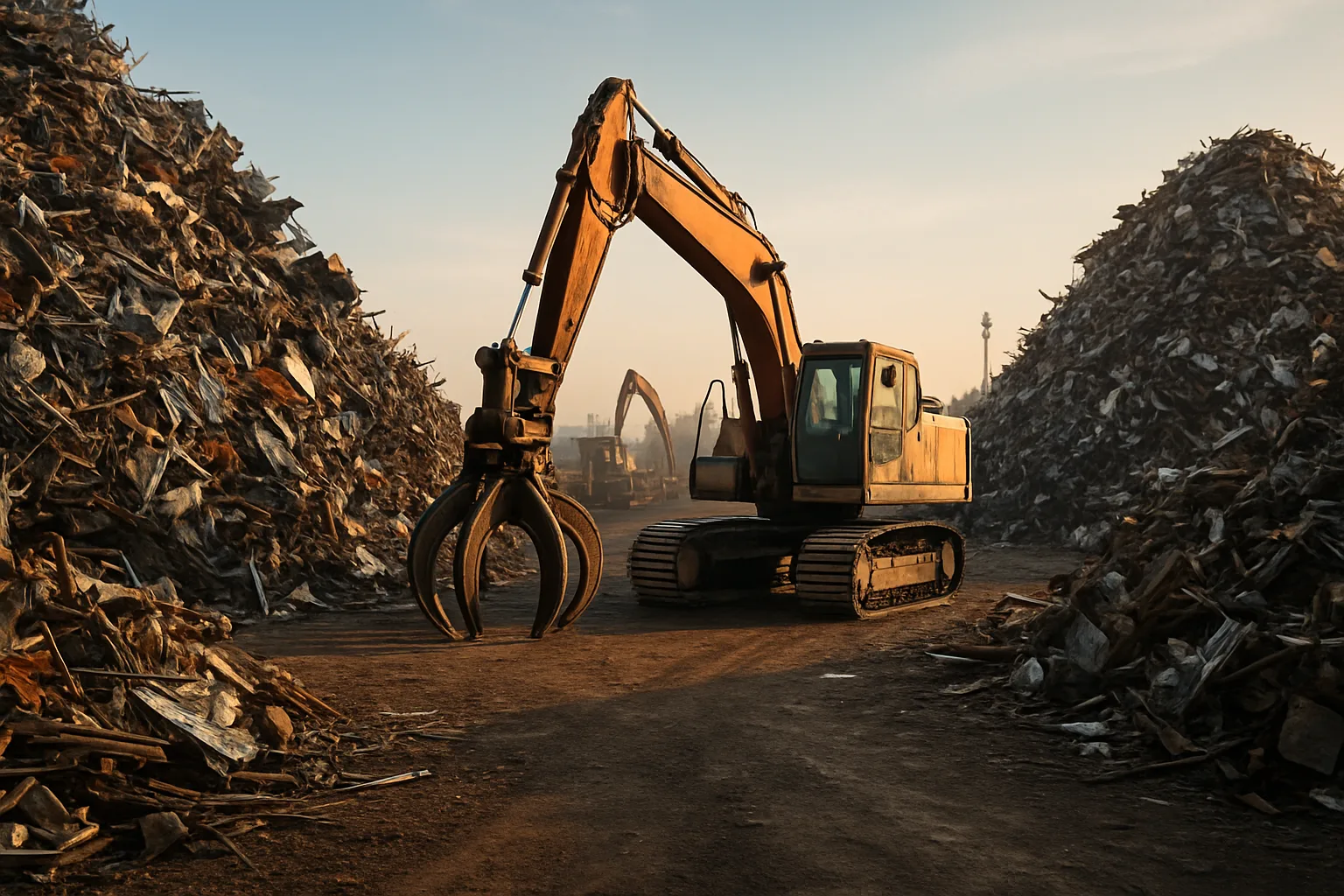
Most people think scrap yards are simple operations — drop off metal, get paid, done. The reality? A compliant scrap yard in New York is managing a stack of environmental regulations that would make most businesses sweat. And that's actually a good thing for you as a seller.
When a yard follows the rules, you're dealing with a professional operation. When they cut corners, you're the one standing in a contaminated lot handing your car title to someone who may not have a valid license. Knowing what regulations govern scrap metal buyer near me New York searches helps you separate the real yards from the sketchy ones — and get a better deal in the process.
Why Environmental Regulations Shape Every Scrap Yard Near You
Scrap yards handle materials that can cause serious environmental harm if mismanaged. We're talking about lead, mercury, PCBs from old transformers, battery acid, motor oil, and refrigerants — all of which require specific handling procedures under federal, state, and local rules. In New York, the Department of Environmental Conservation (DEC) sets the framework, and local municipalities often layer on additional requirements.
These regulations aren't optional suggestions. They carry fines, license suspensions, and in serious cases, criminal liability. A yard that's operating cleanly has invested real money in infrastructure: lined containment pads, stormwater management systems, fluid recovery equipment, and trained staff. That investment signals professionalism — and it often correlates with better scrap yard prices New York because compliant operations attract larger, more sophisticated buyers.
Here's what's actually being regulated at a typical yard:
- Hazardous waste storage and disposal — fluids, batteries, and mercury-containing components must be stored separately and disposed of through licensed haulers
- Stormwater runoff — yards must prevent contaminated water from leaving the property and entering storm drains or waterways
- Air quality — shredders and processing equipment are subject to emissions controls
- Scrap metal theft laws — New York requires documentation of sellers' identities and often holds payment for regulated items like catalytic converters (cats) and copper
- Zoning and operating permits — yards must operate in properly zoned areas with active licenses
What New York Scrap Yards Must Do Before Processing Your Load
Before your load gets processed — whether it's a car, a pile of non-ferrous, or a trailer full of mixed metals — a compliant yard in New York follows a documented intake process. This isn't bureaucratic overhead. It's the law, and it protects both parties.
For vehicles, the yard must verify ownership through a clear title or other authorized documentation. They'll drain fluids before crushing — motor oil, coolant, transmission fluid, and brake fluid all require separate collection. Mercury switches, which are found in older vehicles, must be removed before shredding. Refrigerant recovery from A/C systems is required under EPA Section 608, regardless of what state you're in.
For non-ferrous loads — copper, aluminum, brass, catalytic converters — New York's Scrap Metal Processing and Theft Prevention Act requires yards to:
- Record the seller's government-issued ID
- Document the transaction with descriptions of the material
- Hold payment for a minimum period on certain regulated items
- Report transactions above specific thresholds to law enforcement databases
If a yard skips these steps, they're not just cutting regulatory corners — they're creating liability for themselves and potentially for you. A yard that can't produce BOLs, packing lists, or proper documentation on the back end isn't someone you want writing you a check. When you find a scrap yard near you, always ask whether they're licensed and whether they maintain transaction records.
The Hidden Cost of Unregulated Yards — And How to Spot Them
An unlicensed yard usually has one advantage on paper: they might offer you a slightly higher number on the phone. But that number often evaporates when you show up, or it comes with zero documentation, no receipt, and no recourse if the deal goes sideways.
In New York, unlicensed scrap operations have been prosecuted under both environmental law and the state's theft prevention statutes. If your material ends up linked to a theft investigation and the yard has no records, you could be pulled into that investigation — even if you did nothing wrong. A licensed yard provides a paper trail that protects you.
Here's how to vet a yard before you show up:
- Check for a valid DEC registration or solid waste facility permit
- Ask whether they're enrolled in a law enforcement database like NetSol or similar reporting systems
- Look for physical signs of compliance: paved and contained processing areas, clearly labeled fluid recovery tanks, a scale with a certified certificate
- Confirm they issue receipts with itemized weights and prices
- For vehicle sales, verify they'll issue a proper receipt that you can use to cancel your registration
If you're unsure where to start, platforms like SMASH connect sellers with vetted buyers who've already cleared compliance checks. That alone eliminates a lot of the guesswork when you're searching for a scrap yard near me car or trying to move a large non-ferrous load.
Who Do Scrap Yards Sell Metal To — And Why Regulations Follow the Chain
Here's a question most individual sellers never think about: who do scrap yards sell metal to after they buy it from you? The answer shapes everything about how the yard operates.
Scrap yards are the middle layer between generators (that's you) and end consumers — steel mills, smelters, foundries, copper refiners, and aluminum processors. These industrial buyers have strict material quality and documentation requirements. They need to know the metal is clean, properly sorted, and sourced legally. A mill that processes hot metal linked to theft or environmental violations faces its own regulatory exposure.
This is why documentation matters from the moment metal enters a yard. The BOL (bill of lading) and packing list that follow a load from the yard to the mill trace back to your original transaction. If a yard can't produce clean documentation, they lose access to the premium mill buyers — and that loss of competition is what keeps prices low at sketchy operations. Compliant yards, on the other hand, can reach multiple qualified buyers, which is why auction-based platforms like comparing scrap metal bids from verified buyers is worth doing before you commit to a single yard's offer.
For businesses moving regular loads — whether you're a contractor, a demolition company, or a fleet operator — understanding this supply chain helps you negotiate better. If your material is clean, sorted, and documented, it's worth more. Full stop.
How Compliance Connects to Better Scrap Yard Prices in New York
There's a direct line between regulatory compliance and price discovery. Yards that maintain proper environmental controls, documentation systems, and vetted buyer relationships can offer their upstream sellers — that's you — better transparency. They can tell you what the market is paying because they're actually connected to it.
Scrap yard prices in New York fluctuate with LME (London Metal Exchange) benchmarks, domestic mill demand, and regional supply. A yard that's plugged into a network of competitive buyers reacts to those shifts in real time. A yard operating on the margins, avoiding compliance costs, is often pricing off a gut feel or a single buyer relationship — which means you get less.
When you're evaluating offers for non-ferrous, copper, aluminum, or cores, don't just compare the number. Compare the documentation, the scale certification, and the buyer's ability to tell you where your metal goes. That transparency is a signal of a healthy operation — and healthy operations tend to pay better over time. If you're in New York and managing regular volume, it's worth exploring New York scrap metal services that connect you to buyers competing for your material.
Platforms like SMASH operate as a B2B scrap metal marketplace, which means sellers get access to multiple vetted buyers in a competitive format — not one buyer with a take-it-or-leave-it number. More buyers means better price discovery. That's not a slogan; it's how markets work.
What to Bring When You Sell — Documentation That Protects You
Whether you're dropping off a junked car or a truckload of copper pipe, come prepared. A compliant New York yard will ask for it anyway, and having it ready speeds up the process and protects you legally.
For vehicles:
- Clear title in your name (or a properly signed-over title)
- Government-issued photo ID
- License plates removed (required before the yard accepts the vehicle in most cases)
For non-ferrous loads:
- Photo ID
- Any supporting documentation for high-value items (purchase receipts for copper or catalytic converters if available)
- Business documentation if you're selling as a company — this can speed up payment processing
Get a receipt every time. It should show your name, the date, itemized material types, weights, the per-unit price, and total payout. If a yard won't give you that, walk away. If you want to locate the closest scrap yard that operates this way, use a directory that vets its listings — or go straight to a platform that builds compliance into the transaction.
Selling scrap in New York doesn't have to be complicated. Know the rules, work with compliant yards, and you'll get a fair deal and a clean paper trail. If you want to take it further, read scrap yard guides and tips to stay current on regulations, pricing trends, and how to get the most from your materials. The yards worth your business are the ones that do this right — and they're not hard to find when you know what to look for.
Frequently Asked Questions
Q: How do I know if a scrap metal buyer near me in New York is properly licensed?
Check for a valid New York DEC registration or solid waste facility permit — you can request proof directly from the yard. Legitimate operations will also be enrolled in a law enforcement reporting database for regulated metals like copper and catalytic converters. A yard that can't produce licensing documentation on request is a red flag.
Q: Do I need a title to sell my car to a scrap yard near me in New York?
Yes. New York requires a clear title to transfer a vehicle to a scrap yard. Without it, the yard cannot legally accept the vehicle, and you remain legally responsible for the registration. Make sure to surrender your plates to the DMV after the sale.
Q: Why do scrap yard prices in New York vary so much between yards?
Prices vary based on the yard's buyer relationships, processing capabilities, current market conditions, and overhead costs. Yards connected to competitive networks of mill buyers tend to price more accurately. Platforms like SMASH help sellers see competitive offers rather than accepting one yard's number at face value.
Q: What happens to my scrap metal after I sell it?
The yard aggregates your material with other loads, sorts and processes it, then sells it to end consumers — steel mills, smelters, foundries, or refiners. The chain from seller to end consumer follows documented BOLs and packing lists. Clean, well-documented material consistently reaches better buyers.
Q: Can businesses sell scrap metal directly through a B2B scrap metal marketplace?
Yes. Businesses generating regular scrap — contractors, fleet operators, demolition companies — can access B2B platforms that connect them directly to vetted industrial buyers in a competitive auction format. This eliminates the single-buyer problem and creates real price discovery. SMASH operates exactly this way, with no subscription fees — you only pay when you sell.
The best scrap operations in New York are the ones running clean, documented, and connected to real buyers. When you're ready to sell, find the best scrap yard near you at scrap-yard-near-me.com — and if you're moving volume and want competitive bids, that's where SMASH comes in.
Follow SMASH on LinkedIn for scrap metal market updates, pricing insights, and industry news across North America.