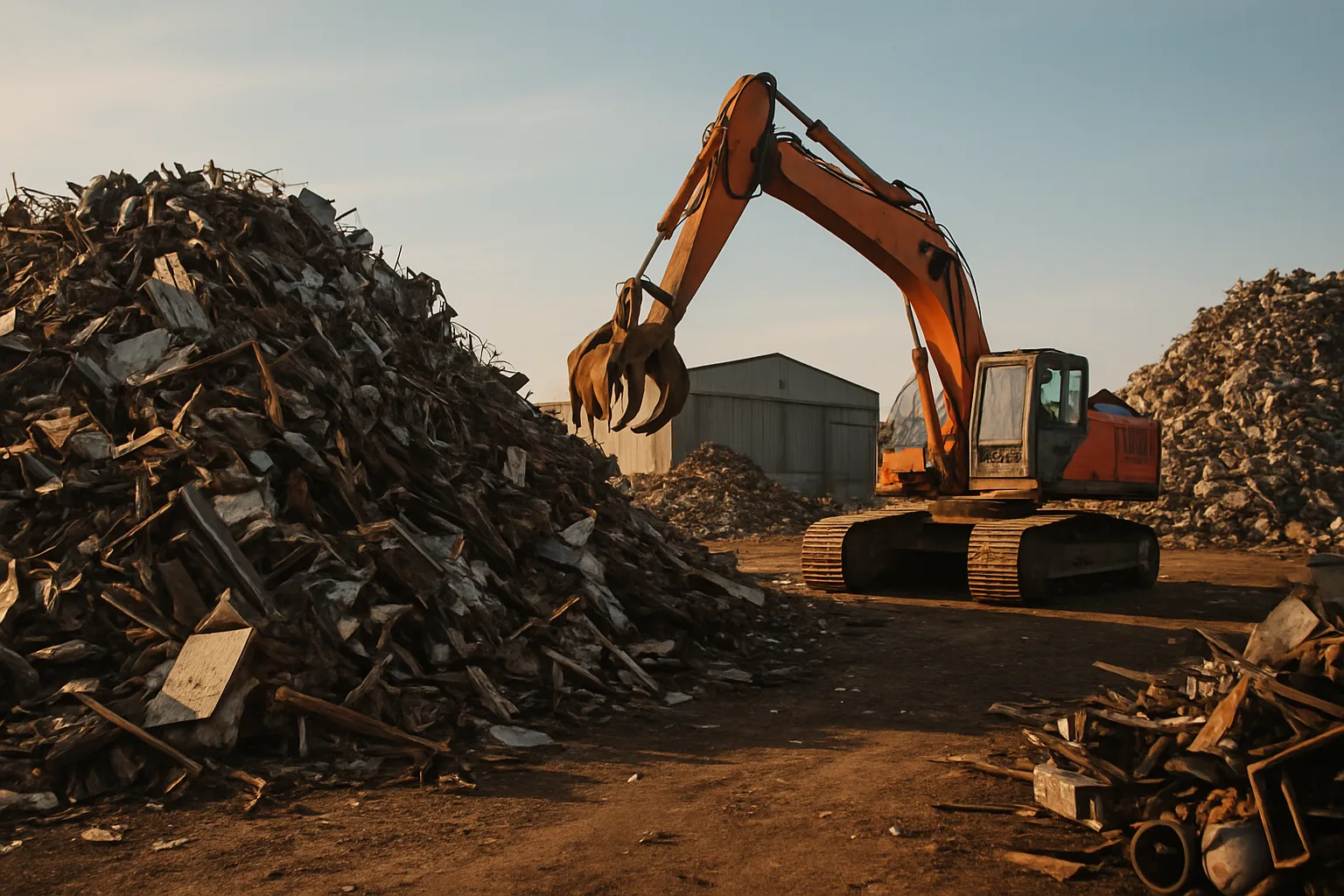
What Scrap Yards Actually Accept — And What Gets Turned Away at the Gate
Pull up to a scrap yard with the wrong load and you're heading home with a full truck. It happens more than you'd think. Knowing what junkyards near me in Virginia Beach will and won't take saves you time, fuel, and a frustrating conversation at the scale house. This guide breaks it down straight — what's welcome, what's rejected, and how to get the most out of every trip.
Whether you're clearing out a garage, stripping a work truck, or running a commercial operation, scrap yards follow a consistent set of rules. Some of it is about safety. Some of it is about liability. All of it affects your payout.
What Scrap Yards Accept: The Full List
Most full-service scrap yards — including auto recycling yards in Virginia Beach — accept a wide range of ferrous and non-ferrous metals. The short version: if it's metal and it's not contaminated or legally restricted, there's a good chance someone will buy it.
Here's what typically gets accepted without issue:
- Ferrous metals: steel beams, iron pipe, cast iron, sheet metal, appliances (washers, dryers, stoves, water heaters)
- Non-ferrous metals: copper wire and pipe, aluminum extrusion and sheet, brass fittings, stainless steel, lead, zinc
- Vehicles and auto parts: whole cars, trucks, vans, motorcycles — most yards accept them with or without a title depending on state rules
- Catalytic converters: accepted at most yards, but Virginia and many other states now require documentation including vehicle VIN and seller ID due to theft laws
- Batteries: lead-acid automotive batteries are widely accepted; lithium-ion batteries are handled differently and not all yards take them
- Radiators and engines: accepted, though fluid-filled or complete engines may need to be drained first
- Wire and cable: insulated copper wire is accepted, though the insulation affects price — bare bright copper pays more than insulated
- Structural steel: I-beams, angle iron, rebar, pipe — common for contractors and demolition crews
- Aluminum cans and extrusion: low payout per pound but widely accepted
If you're not sure what category your material falls into, the easiest test is a magnet. Ferrous metals stick. Non-ferrous metals don't. Non-ferrous generally pays better per pound — copper, brass, and aluminum being the most common examples.
What Scrap Yards Will Not Accept
This is where sellers get surprised. Not everything metal is recyclable at a standard scrap yard, and some items create legal exposure for the yard if they accept them. Yards have strict intake policies — and they enforce them.
Common rejections include:
- Freon-containing appliances: refrigerators and air conditioners must have refrigerant professionally removed before most yards will touch them. EPA regulations make this non-negotiable in the U.S.
- Gas tanks still attached to vehicles: tanks need to be emptied and, in many cases, purged or removed before the vehicle is accepted
- Radioactive materials: smoke detectors, certain industrial gauges — yards use radiation detection equipment and will turn away anything that triggers an alarm
- Catalytic converters without documentation: in Virginia, selling a cat without proof of ownership can violate state law. Bring your ID and the vehicle's VIN number
- Sealed containers or pressurized tanks: propane tanks, oxygen cylinders, compressed air tanks — they're a safety hazard and most yards won't accept them unless they're clearly cut open and empty
- Hazardous waste: anything contaminated with oil, chemicals, or industrial waste beyond acceptable levels may be refused or sent for additional processing at your cost
- Stolen material: yards are required to verify seller identity and log transactions. Bringing in material that can't be accounted for — copper wire stripped from a job site you don't own, for example — puts you in legal jeopardy, not just at the gate
- Mercury-containing devices: certain types of switches, thermostats, and fluorescent lighting require special handling
- Transformers with PCBs: older electrical transformers may contain polychlorinated biphenyls, a controlled substance requiring specialized disposal
If you're cleaning out a commercial property or a demolition site, it pays to pre-sort your load. Mixed or contaminated material will get graded down at the scale — or refused entirely. Segregating copper from steel, non-ferrous from ferrous, and clean from dirty metal puts more money in your pocket.
Can You Sell Scrap Metal for Cash — And How Does Pricing Work?
Yes — you can sell scrap metal for cash at most yards, though state laws vary on cash payment thresholds. Virginia requires yards to record seller information for transactions above a certain weight or dollar value. In practice, most sellers receive payment by check, electronic transfer, or debit card rather than cash — especially for larger loads.
Pricing is set daily and tied to commodity markets. Copper, aluminum, and steel all fluctuate based on global demand, energy prices, and supply chain conditions. In 2026, market volatility has kept prices moving — which means checking rates before you haul is worth the two-minute phone call.
A few factors that affect your payout:
- Grade and cleanliness: bare bright copper pays more than #2 copper with insulation. Clean aluminum pays more than painted or mixed aluminum
- Weight: price per pound applies to the actual weight on the yard's certified scale
- Market timing: a load sold this week may pay differently than the same load next week
- Single buyer vs. competitive bidding: calling one yard and taking their price is the old way. Platforms like SMASH Scrap — where verified buyers bid on your metal put competition to work instead
Competition can help reveal the real market value of your material. One buyer gives you one number. Multiple vetted buyers give you actual price discovery. That difference compounds across loads and across time.
Auto Recycling and Junkyard Rules in Virginia Beach Specifically
Virginia Beach runs a busy secondary metals market. The coastal location, active construction sector, and significant military and industrial presence mean there's no shortage of scrap moving through the region. Auto recycling yards in Virginia Beach follow Virginia DMV and state police regulations around vehicle titles, catalytic converter documentation, and seller ID requirements.
Here's what you need to know before dropping off a vehicle in Virginia:
- Title or proof of ownership: Virginia generally requires a title to accept a vehicle for crushing. Some yards will work with a bill of sale or DMV-issued replacement title — call ahead
- Photo ID: required by state law for all metal transactions above threshold values
- Drained fluids: many yards require gas tanks to be at or near empty, and some require brake fluid and coolant to be drained as well
- Catalytic converter VIN documentation: Virginia's laws around cat theft have teeth. Bring your paperwork
- No personal plates on the vehicle: remove your license plates before dropping off — those go back to the DMV
For businesses operating in the region — contractors, fleet operators, marine repair shops — the volume of scrap you generate starts to matter. High-volume sellers benefit from building a real relationship with a buyer, not just dropping loads at whoever is closest. To find a scrap yard near you in Virginia Beach or the surrounding Hampton Roads area, check yard listings before you load up.
How to Get More for Your Scrap — Regardless of Where You Are
The single biggest mistake sellers make is accepting the first number they're offered. One yard, one price, no competition. That's leaving money on the table every time. The scrap market is real and it moves — and buyers set their own margins. If you're not creating competition, you're subsidizing their margin.
A few things that move the needle:
- Sort your material before you arrive: mixed loads get graded at the lowest common denominator
- Document what you have: weight estimates, photos, and clear descriptions of grades give buyers confidence and reduce disputes at the scale
- Get multiple quotes: call two or three yards, or use a platform built for it
- Time larger loads strategically: if the market is moving up, waiting a few days on a big load can be worth it
- Know your material grades: #1 copper, #2 copper, bare bright — these aren't just terms. They're pricing categories. Knowing them means you can verify what you're being quoted
SMASH takes the guessing out of it. Instead of one phone call to one buyer, you list your load and vetted buyers compete. No subscription fees. No locked-in contracts. If the load sells, everyone wins. You can read scrap yard guides and tips to get up to speed on grades, pricing, and what to expect at the scale.
Whether you're in Virginia Beach, working across Virginia, or anywhere else in North America, the fundamentals are the same: know what you have, know what the market will bear, and don't hand a buyer a margin he didn't earn.
Ready to move your next load? Locate the closest scrap yard to you and make sure you know what they take before you pull in the gate.
Disclaimer: Scrap metal prices fluctuate daily based on commodity markets. Always confirm current rates directly with your yard or platform before hauling. Pricing in this article is directional only.
Frequently Asked Questions
Q: What do I need to bring to a junkyard near me in Virginia Beach?
Bring a government-issued photo ID — it's required by Virginia state law for metal transactions above certain thresholds. If you're dropping off a vehicle, bring the title. For catalytic converters, you'll also need the vehicle VIN and proof of ownership. Call ahead to confirm the specific yard's requirements before you show up.
Q: Can you sell scrap metal for cash in Virginia?
Many yards offer cash for smaller transactions, but Virginia law requires yards to record seller information and some set limits on cash payouts above certain amounts. Larger loads are typically paid by check, debit card, or electronic transfer. It's worth confirming payment methods when you call ahead.
Q: Do auto recycling yards in Virginia Beach buy cars without a title?
Virginia generally requires a title to process a vehicle for crushing or parts resale. Some yards will work with alternative documentation — a DMV-issued duplicate title, a bill of sale, or proof of ownership — but this varies by yard. Always call ahead rather than showing up without paperwork.
Q: What metals pay the most at a scrap yard?
Non-ferrous metals consistently pay more per pound than ferrous metals. Copper — especially bare bright or #1 copper — typically sits at the top of the value ladder, followed by brass, aluminum, and stainless steel. Clean, sorted, uncontaminated material always grades higher than mixed or dirty loads.
Q: Why does my scrap get weighed differently than I expected?
Yards use certified scales, so the weight is accurate — but the grade assigned to your material affects the effective price per pound. A load of mixed wire may be graded as insulated copper rather than bare bright, pulling the price down. Sorting and cleaning your material before you arrive is the best way to control your grade and your payout.
Want to stay current on scrap metal market conditions, pricing trends, and yard news? Follow SMASH on LinkedIn for weekly industry updates and insights that actually matter to people who move metal for a living.