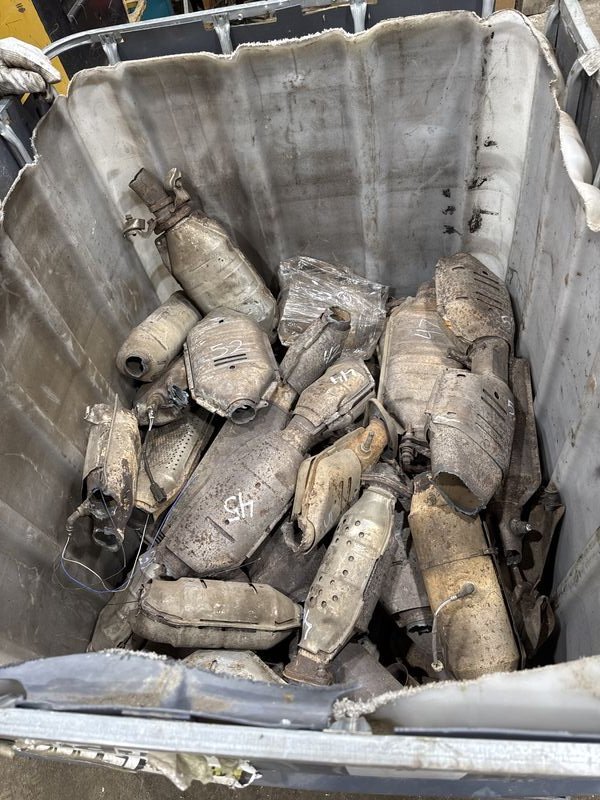
Your old catalytic converter might be worth more than your entire trunk full of scrap steel — and most people have no idea. In 2026, precious metals locked inside cats remain some of the most valuable material flowing through any scrap metal yard in Dayton and across Ohio. But how scrap yards actually handle these parts, price them, and pay you out is a process most sellers never fully understand. That gap costs money.
This guide breaks down exactly how local scrap yards handle catalytic converters and the precious metals inside them — and how to make sure you're getting a fair shake when you bring yours in.
Why Catalytic Converters Are the High-Stakes Game at Any Local Scrap Yard in Dayton
A catalytic converter isn't just a hunk of metal. Inside that canister, you've got a ceramic or metallic substrate coated with platinum group metals — platinum, palladium, and rhodium. These three elements drive the value. Rhodium, in particular, has historically traded at prices that make gold look affordable. Palladium isn't far behind. Platinum rounds out the trio.
That's why cats get treated differently from a bundle of #1 copper or a load of cast iron. Your local scrap yard in Dayton doesn't just toss a cat on the scale and pay you per pound. The process is more involved — and more nuanced — than most sellers expect going in.
- Platinum (Pt): Used in diesel converters primarily; steady industrial demand
- Palladium (Pd): Common in gasoline engine converters; highly volatile pricing
- Rhodium (Rh): The rarest and often most valuable of the three; extreme price swings
The exact mix varies by vehicle make, model, year, and engine type. A converter from a late-model foreign luxury car will pay out very differently than one from a domestic pickup from the early 2000s. This is why scrap yards that handle high volumes of cats use serialized databases and VIN-based lookup tools to identify what they're actually buying.
How Scrap Yards Actually Process Cats — Step by Step
Walk into any serious scrap metal yard in Dayton with a bag of cats, and you'll see a process that looks nothing like dropping off a load of steel. Here's what actually happens on the yard's end:
- Identification: Yard staff identify each converter by serial number, OEM codes, or VIN lookup. The serial number stamped on the shell tells experienced buyers which substrate they're working with and what precious metal content to expect.
- Grading: Cats are graded based on condition. Gutted converters (where someone has punched or burned out the substrate) pay almost nothing. Intact units with undamaged substrate pay significantly more.
- Pricing against the market: The yard prices against current PGM (platinum group metal) spot prices. These fluctuate daily — sometimes sharply — based on global commodity markets.
- Accumulation and resale: Most yards don't process cats themselves. They accumulate volume, then sell loads to specialized processors or refiners who actually extract and assay the metals.
- Payment: Depending on the yard's setup, you may get paid immediately at the gate price, or on a settlement basis once the load has been processed and assayed upstream.
Documentation matters here more than anywhere else in the scrap business. Ohio requires yards to collect seller information for catalytic converters — name, ID, vehicle information if applicable. Yards that skip this step are cutting corners that could put both parties in a bad spot legally.
What Is the Best Scrap Metal to Sell? Cats vs. Non-Ferrous vs. Ferrous
People ask this constantly: what is the best scrap metal to sell? The honest answer depends on what you have access to — but in terms of value density, catalytic converters and non-ferrous metals win every time.
Here's a rough hierarchy by value per pound at most yards in 2026:
- Catalytic converters: Highest upside, but pricing is complex and converter-specific
- Bare bright copper wire: Top-tier non-ferrous; clean wire commands the best copper rate
- #1 copper: Heavy copper pipe and bus bars — strong consistent value
- Aluminum: Lower per pound than copper, but often available in much larger volumes
- Stainless steel: Mid-tier; the nickel content drives value above regular steel
- Ferrous (steel, iron): Lowest per-pound rate, but high volume loads add up
The takeaway: if you're pulling parts from junked vehicles, don't overlook the cat. Don't overlook the copper wiring harness. Don't leave the aluminum radiator behind. The difference between a casual metal seller and someone who actually makes money at this is knowing what's worth grabbing and what to leave.
Platforms like sell your scrap metal on the SMASH marketplace are built specifically around this dynamic — connecting sellers who have real volume and documented inventory with vetted buyers who compete on price. More competition means better price discovery, full stop.
Scrap Metal Inventory Management: Why Documentation Changes Your Payout
Whether you're running a small auto dismantler or you're an individual bringing in a handful of cats, scrap metal inventory management is the difference between guessing at your value and knowing it.
Yards that handle catalytic converters at volume are increasingly meticulous about serial number tracking. Every cat gets logged — serial, condition, weight, date received. Why? Because the downstream refiner or processor settles based on assay results, and you need to reconcile what you sent against what you got paid. Without records, that's impossible.
For sellers, the documentation discipline pays off too:
- Photo documentation of your material before drop-off protects you if there's a dispute
- Keeping a log of serial numbers on cats you're accumulating lets you track value against the market
- Knowing your BOL (bill of lading) details when you're moving larger loads keeps the transaction clean
- Asking for an itemized receipt at the yard gives you a baseline for comparing prices next time
SMASH is built around this kind of discipline. The platform supports serial tracking, photo documentation, and structured inventory tools that make the difference when you're dealing with high-value material like cats and non-ferrous metals. That's not a pitch — it's the practical reality of what professional scrap management looks like in 2026.
If you're not sure where to start locally, read scrap yard guides and tips that walk through the process from drop-off to payout.
Pricing Reality: What Drives Cat Values Up and Down in 2026
Scrap metal prices today fluctuate based on global commodity markets, and catalytic converter pricing is especially volatile. PGM spot prices swing based on mining supply (primarily from South Africa and Russia), automotive production volumes, emissions regulations, and EV adoption trends that affect future demand projections.
Here's what matters for sellers in 2026:
- EV transition effect: As battery electric vehicles grow in market share, future demand for PGMs in new converters is uncertain. But current demand remains strong — every ICE vehicle on the road today still needs a cat.
- Rhodium volatility: Rhodium has historically swung from a few hundred dollars per troy ounce to well over ten thousand. Where it sits on any given day dramatically changes what certain converters are worth.
- Palladium trends: Palladium demand shifted significantly over the past decade as emissions standards tightened. Watch this market closely if you're accumulating volume.
- Grade and condition matter more than ever: With processors applying tighter assay tolerances, a gutted or damaged cat pays a fraction of an intact one.
Disclaimer: Scrap metal prices fluctuate daily based on commodity markets. Always verify current rates directly with your local yard or a verified buyer before making decisions based on price. No price figures in this article should be treated as current quotes.
The best move? Don't rely on a single phone call to one buyer. The old way — one buyer, one number, take it or leave it — leaves money on the table. Competitive pricing through platforms like SMASH creates real price discovery. You see what multiple vetted buyers are willing to pay, not just what one yard feels like offering today.
Finding the Right Scrap Yard Near You in Dayton and Across Ohio
Not every yard handles catalytic converters the same way. In the Dayton area, you'll find yards that actively pursue cat volume and have the systems in place to price them properly — and you'll find yards that treat them as an afterthought. Knowing the difference saves you a trip and potentially a lot of money.
When you're evaluating a scrap yard for cat drop-off, ask these questions upfront:
- Do they price cats individually by serial number, or do they offer a flat "foil" rate?
- Do they require documentation (ID, vehicle info)? If they don't ask, that's a red flag in Ohio.
- Do they offer same-day payment or settlement-based payout?
- Can they show you how they arrive at the price they're quoting?
Dayton has a strong industrial and automotive history, which means there's no shortage of scrap material moving through the region. That also means there's enough buyer competition — when you use the right channels — to make price shopping worthwhile. Don't default to the closest yard by habit. Find a scrap yard near you that actually specializes in the material you're selling.
Ohio sellers with real volume — multiple loads, mixed non-ferrous, pallets of cats — should seriously consider what a competitive auction format can do for their bottom line. More buyers at the table means the market sets your price, not a single buyer's margin target.
If you're ready to stop guessing and start getting real bids on your material, locate the closest scrap yard and compare what you're being offered against what a competitive market can produce. The gap might surprise you.
Frequently Asked Questions
Q: How do scrap yards in Dayton price catalytic converters?
Most serious scrap yards price cats individually based on serial number identification, which tells them the make, model, and expected precious metal content. They then price against current platinum, palladium, and rhodium spot prices. Flat-rate "foil" pricing still exists at some yards but generally reflects lower value than serialized pricing. Always ask how the yard determines their offer before you accept it.
Q: What do I need to bring to sell catalytic converters at a local scrap yard in Dayton?
Ohio law requires yards to collect identification from sellers of catalytic converters. Bring a valid government-issued photo ID. If you have documentation showing the vehicle the converter came from — a title or registration — bring that too. Yards that don't ask for ID aren't complying with state requirements, and that's a situation you don't want to be part of.
Q: Are scrap metal prices today different for catalytic converters versus regular steel?
Significantly different. Ferrous scrap like steel and iron pays by the ton and fluctuates with global steel markets. Catalytic converters pay based on their precious metal content — platinum, palladium, and rhodium — which are priced as commodities on separate global markets. The two pricing systems don't move in sync. A cat can hold its value even when steel prices drop, and vice versa.
Q: What is the best scrap metal to sell if I'm just getting started?
Copper is the most accessible high-value metal for most beginners — it's identifiable, widely accepted, and pays well per pound at any local scrap yard. If you're pulling from vehicles, catalytic converters and aluminum wheels add significant value. Steer clear of heavily mixed or contaminated loads until you understand how yards grade material, since contamination penalties can eat into your payout fast.
Q: How does SMASH help scrap sellers in Ohio get better prices for their material?
SMASH is an auction-based marketplace that connects sellers with vetted buyers who compete for your load. Instead of taking whatever one yard offers, you get competitive bids. The platform supports serialized inventory, photo documentation, and structured listings — which means buyers have more confidence in what they're bidding on, and sellers get better price discovery. No subscription fees. SMASH earns when you sell.
---If you're sitting on cats, non-ferrous loads, or mixed scrap and you're not sure what it's actually worth in today's market, the answer isn't to call one buyer and hope. It's to get in front of multiple vetted buyers with documented material and let competition do its job. Start by finding the right facility for your material type — check locations and verified yards at scrap-yard-near-me.com and take the guesswork out of where to go first.
Stay current on scrap metal market trends and industry news by following SMASH on LinkedIn — it's where serious sellers and buyers track what's moving the market week to week.