What to Look for When You Need to Find a Scrap Yard in Fort Lauderdale (And Anywhere Else)
Most people only visit a scrap yard when they're already frustrated — sitting on a pile of copper wire, a junk car, or a bin of aluminum cans with no idea what it's actually worth. That's the wrong way to start. Knowing what makes a good scrap yard before you pull up with a truckload saves you time, money, and a lot of headaches.
Whether you're looking to find a scrap yard in Fort Lauderdale or searching for metal recycling anywhere in the country, the same rules apply. Not all yards are equal. Some pay better. Some are easier to work with. Some will weigh your load honestly and hand you a fair check — others won't. Here's how to tell the difference.
Start With the Basics: What a Legitimate Scrap Yard Actually Offers
A trustworthy scrap yard isn't just a lot with a scale and a gate. It's a business with a process. When you show up, that process should be clear, consistent, and documented.
Here's what a solid yard should offer from the moment you drive in:
- Licensed and registered operation — In Florida and across the U.S., scrap dealers are required to hold state and local licenses. If a yard can't show you credentials, that's a red flag.
- Certified scales — Your load gets weighed, and that weight determines your payout. Scales should be certified and regularly inspected. Don't be shy about asking.
- Clear posted prices — Good yards post current prices or tell you upfront what they're paying per pound for copper, aluminum, steel, and other materials. Vague answers are a bad sign.
- ID verification and documentation — Required by law in most states, including Florida. If a yard isn't asking for ID, that's actually a concern, not a convenience.
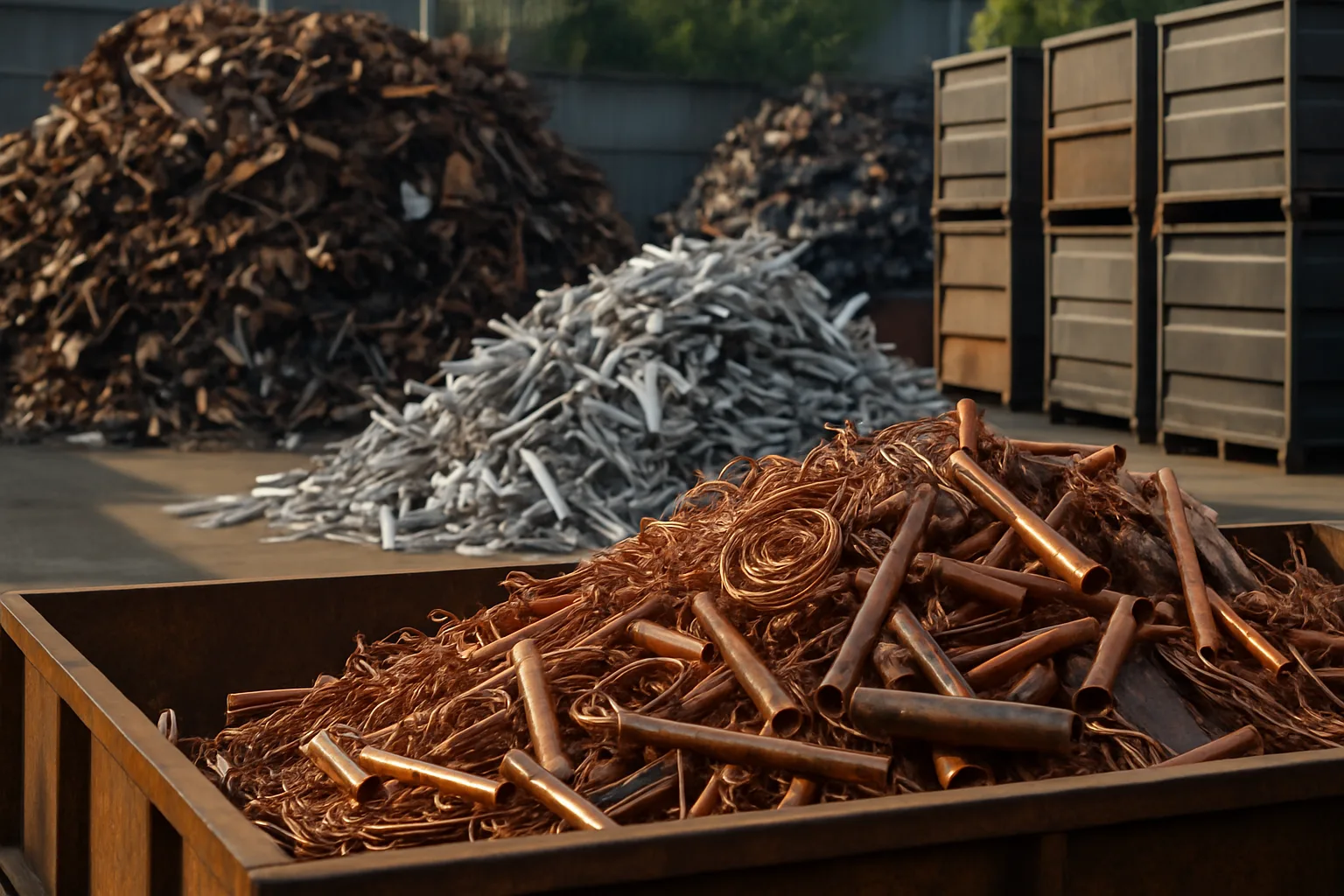
- Organized material sorting — A yard that separates ferrous from non-ferrous, and grades copper and aluminum by type, is a yard that takes pricing seriously.
If a yard checks all of these boxes, you're in the right place. If it's chaotic, prices are given verbally with no paperwork, and the scale looks like it hasn't been calibrated since 2019 — keep driving.
How to Find Metal Recycling Near You in Fort Lauderdale — Without Wasting a Trip
Fort Lauderdale and the surrounding Broward County area have a solid mix of scrap yards and metal recycling facilities. The challenge isn't finding one — it's finding the right one for what you're selling. A yard that's great for auto cores might not be your best bet for a load of clean copper pipe.
Before you load your truck, do these three things:
- Call ahead and ask what they're buying. Some yards don't take certain materials on certain days. Some won't take catalytic converters without documentation. Others specialize in non-ferrous only. A two-minute phone call saves a wasted trip.
- Ask for today's price by material. Scrap metal prices shift constantly — they're tied to commodity markets, regional demand, and inventory levels at the yard. Don't assume Monday's price is Wednesday's price. Ask directly.
- Know what you have. Is your copper clean or contaminated? Is your aluminum mixed or separated? Grades matter. A yard will always pay more for separated, clean material than for a jumbled bin of mixed metal. Sort before you show up if you can.
Use a tool like find a scrap yard near you to narrow your search by location, then call the yards that come up before you make the drive. In a city like Fort Lauderdale, you've got options — use them.
Scrap Metal Inventory Management: Why Documenting Your Load Matters
This one catches a lot of first-timers off guard. If you're selling a meaningful amount of metal — whether it's a load of copper from a renovation job, a stack of aluminum extrusions, or a pile of catalytic converters — you need documentation before you show up.
Good scrap metal inventory management isn't just for big recycling operations. It protects individual sellers too. Here's what that looks like in practice:
- Photo documentation — Take photos of your load before transport. If there's a dispute about material grade or weight, you have evidence.
- Itemized list — Know what you have and roughly how much. "Some copper and aluminum" is not a plan. "Approximately 80 lbs of #1 copper and 120 lbs of mixed aluminum" is.
- Serial numbers and VINs where applicable — If you're scrapping vehicles or components, VIN lookups and serial tracking protect you legally. Many Florida yards require this for catalytic converters and auto parts.
- Keep your receipts — A legitimate yard will give you a transaction receipt. File it. You may need it for tax purposes or to prove chain of custody on regulated materials.
Platforms like SMASH Scrap — where verified buyers bid on your metal take this a step further. SMASH builds inventory documentation, photo uploads, and buyer transparency directly into the selling process. Instead of hoping a single buyer quotes you fairly, you put your documented load in front of multiple vetted buyers and let competition do the work. That's a fundamentally different dynamic than a cold call or a single yard visit.
If you want to read scrap yard guides and tips that go deeper on documentation and prep, there's a growing library of practical how-to content built for exactly this.
What the SMASH Scrap Metal Auction Model Changes for Sellers
The traditional model is simple and flawed: you call one buyer, they quote you a price, you take it or leave it. You have no idea if that's the market rate or if three other buyers would have paid significantly more. There's no competitive pressure on the buyer to give you their best number.
The SMASH scrap metal auction model flips that. You list your load — whether it's non-ferrous, auto cores, catalytic converters, or mixed metal — with full documentation. Vetted buyers across North America see it and bid. More buyers mean better price discovery. You see what the market actually thinks your load is worth, not what one buyer decides to offer.
SMASH also handles auto-invoicing and documentation, which removes a lot of the administrative friction that makes large or complex loads a pain to sell. There's no subscription fee. SMASH only wins when the seller wins. That alignment matters.
For yards and sellers in Florida who move volume regularly, this model isn't just convenient — it's a smarter way to operate. Whether you're selling out of Fort Lauderdale or anywhere else in the state, competitive bidding reveals the real market for your material.
Junkyard Near Me for Parts vs. Scrap Yard for Metal — Know the Difference Before You Go
People search for junkyard near me for parts and scrap yard near me like they're the same thing. They're not — and showing up at the wrong type of facility wastes everyone's time.
Here's the key distinction:
- Scrap yards buy metal by weight. They want your copper, steel, aluminum, and catalytic converters. They're paying you for the raw material value of what you bring.
- Junkyards (auto salvage yards) buy vehicles or sell used auto parts. They might also take scrap metal, but their primary business is parts — pulling and reselling usable components from vehicles before scrapping the rest.
If you have a junk car, you may want to visit both. An auto salvage yard might pay more for a vehicle with valuable parts still intact. A scrap yard will pay by the ton for the bare shell once it's been stripped. Knowing this can mean the difference between getting $200 for your car and getting significantly more over two stops.
In Fort Lauderdale, both types of facilities exist. When you locate the closest scrap yard to your address, check whether it's a full-service auto salvage operation or a straight metal recycling yard. That distinction should be clear on their listings or website.
Scrap Metal Prices and What Drives Them — A Quick Reality Check
If you've searched for scrap metal prices today anywhere — Georgia, Florida, or any other state — you've probably noticed prices vary significantly by region, by yard, and by day. That's not a glitch. That's how commodity markets work.
A few things drive scrap metal prices at any given moment:
- Global commodity markets — Copper, aluminum, and steel prices on global exchanges directly influence what yards pay locally.
- Regional demand and supply — A region with heavy construction activity might see stronger demand for certain metals. Coastal markets like South Florida can differ from inland or Midwestern markets.
- Material grade and cleanliness — Clean, sorted metal always pays more than contaminated or mixed material. This is one of the few variables you can directly control as a seller.
- Yard inventory levels — If a yard is sitting on a lot of a particular material, they may pay less until they move it. Supply and demand at the local level matters.
Disclaimer: Scrap metal prices fluctuate daily based on market conditions. Always check current rates directly with your local yard before selling. The figures and ranges in any guide are for general educational context only.
The best defense against low prices is competition. One buyer, one quote, one outcome isn't a market — it's a guess. Getting multiple bids on your load, whether through an auction platform like SMASH or by calling several yards in your area, is the only way to know if you're getting a fair number.
Frequently Asked Questions
Q: How do I find a reliable scrap yard in Fort Lauderdale?
Start by searching for licensed and certified yards in Broward County. Call ahead to confirm they accept your type of material, ask for current prices by grade, and check whether they require documentation for regulated materials like catalytic converters. A reputable yard will answer these questions clearly without hesitation.
Q: What metals do scrap yards in Florida typically buy?
Most scrap yards in Florida buy ferrous metals (iron, steel) and non-ferrous metals including copper, aluminum, brass, and stainless steel. Many also buy catalytic converters, auto cores, and insulated wire. Material acceptance varies by yard, so always call ahead to confirm before making the trip.
Q: How is SMASH different from a regular scrap yard visit?
A traditional yard visit means one buyer, one quote, and limited price transparency. SMASH is an auction platform where vetted buyers bid on documented loads, creating real price competition. It works well for sellers moving larger or more valuable loads who want to know what the actual market will pay — not just what one buyer offers.
Q: Do I need to separate my scrap metal before going to a yard?
Yes — sorting your metal before you arrive almost always results in better payouts. Mixed or contaminated loads get downgraded to the lowest-value material in the bin. Separating copper grades, keeping aluminum clean, and pulling insulation off wire before you sell can make a meaningful difference in what you receive.
Q: Are scrap metal prices different in Fort Lauderdale compared to other parts of Florida or states like Georgia?
Yes, prices vary by region based on local demand, yard inventory, and proximity to processing facilities or ports. South Florida's coastal market can differ from inland or northern Florida rates, and both may differ from markets like Georgia. Always check current local prices directly with yards in your area rather than relying on national averages.
If you're ready to stop guessing and start getting fair value for your metal, the first step is simple: find a scrap yard near you and make the call armed with the right questions. You'll be in a much stronger position before you ever pull up to the gate.
Follow SMASH on LinkedIn for scrap metal market updates, industry news, and practical tips for yards and sellers across North America.