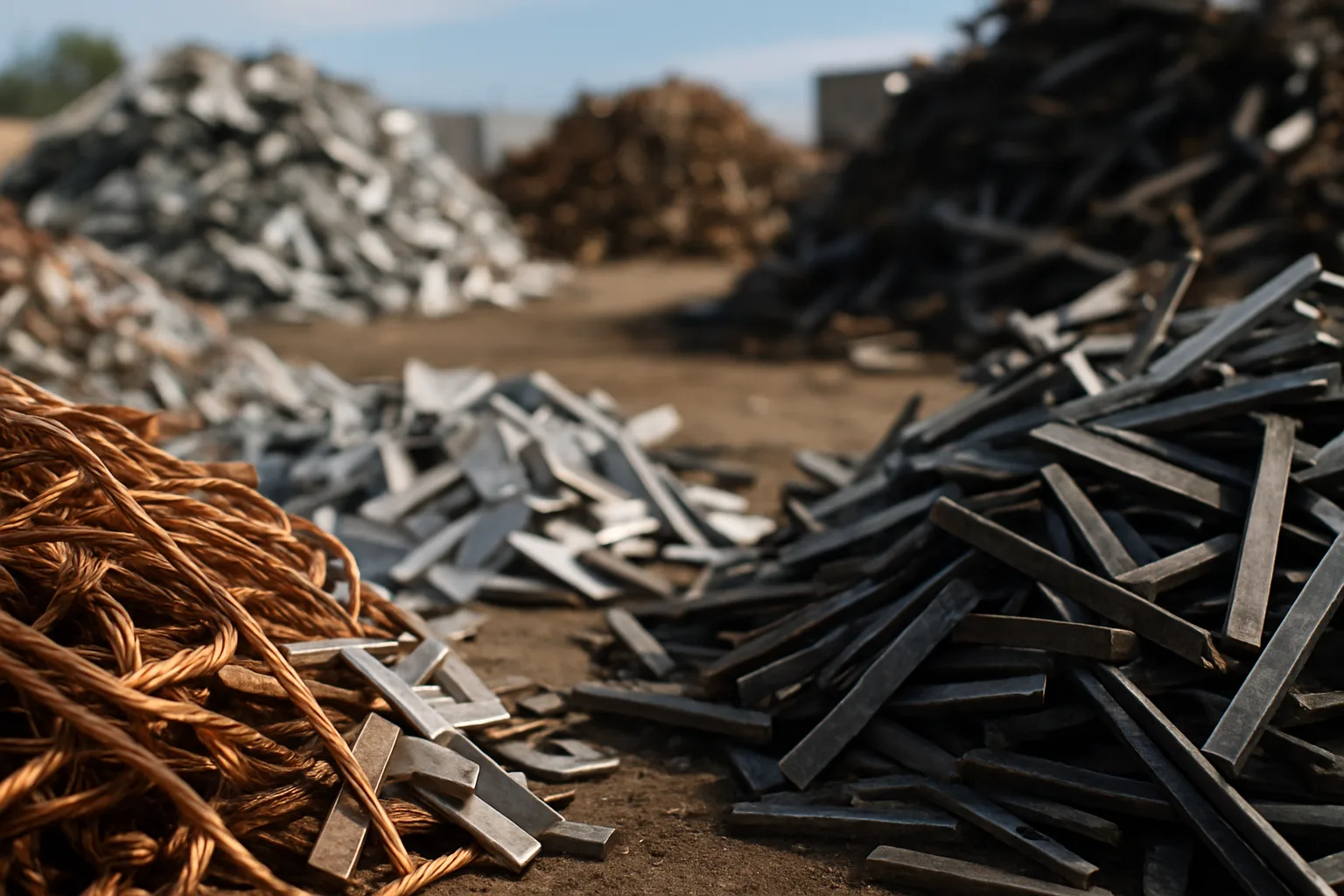
Most people only discover the hard way that an unsecured load of scrap metal on the highway is a serious liability — and a safety hazard for everyone around them. Before you search for a junkyard near me Las Vegas and load up your truck, there are a few things you need to know about transporting scrap safely, legally, and efficiently. Do it right and you walk away with cash. Do it wrong and you're looking at fines, accidents, or a load the yard won't accept.
This guide breaks down exactly how to load, secure, and deliver scrap metal — whether you're clearing out a garage, pulling parts from an old vehicle, or running a regular route to your local recycling facility. Las Vegas yards process a massive volume of ferrous and non-ferrous material every week. Showing up prepared makes the whole transaction faster and more profitable for you.
Know Your Load Before You Leave the Driveway
The biggest mistake first-timers make is throwing everything into the truck bed without sorting or thinking about weight distribution. Scrap metal is dense. A half-ton of mixed steel, aluminum, and copper doesn't look like much — until your rear axle is screaming on the freeway. Know your vehicle's payload capacity before you load a single piece.
Most half-ton pickup trucks are rated for 1,500–2,000 lbs of payload. That sounds like a lot until you factor in the weight of the truck bed itself, your own weight, fuel, and any tools you're carrying. Overloading doesn't just damage your vehicle — it's a ticketable offense in Nevada and most other states. Weigh your load at a public scale if you're unsure, or load conservatively and make two trips.
- Ferrous metal (steel, iron) is the heaviest category — go easy on load volume
- Non-ferrous material (aluminum, copper, brass) is lighter but more valuable per pound — handle it carefully
- Mixed loads are fine for most yards, but pre-sorting can get you better pricing
- Catalytic converters (cats) and cores should be transported separately and documented before you arrive
If you're hauling cats or cores, take photos before loading. Serial numbers, condition notes, and documentation matter — especially at yards that require it, and especially for buyers on platforms like North America's B2B scrap metal auction platform, where documented inventory consistently attracts more confident bids.
Loading Tips That Protect You, Your Vehicle, and the Yard
Loading scrap is physical work. Do it smart. Sharp edges, awkward shapes, and heavy concentrations of weight in one corner of your truck bed can cause real damage — to you during loading and to the vehicle during transport. Start with the heaviest, flattest pieces on the bottom. Spread weight as evenly as possible across the bed.
Watch for protruding edges. Sheet metal, rebar, long pipe sections, and structural steel can extend beyond the tailgate or the sides of your truck. In Nevada, anything hanging more than four feet beyond the rear of your vehicle requires a red flag or light attached to the end — that's not optional. Unmarked protruding loads are one of the most common causes of roadside citation for scrap haulers.
- Place flat, heavy pieces (sheet steel, car hoods, doors) at the bottom of the load
- Stack lighter, irregular pieces on top — they're easier to shift and restrain
- Keep cats and high-value non-ferrous separated in bins or crates within the load
- Use wheel chocks if loading a vehicle or large component onto a trailer
- Wear gloves — cut injuries from sharp edges are the #1 injury in DIY scrap hauling
For loads that include fluids — engine blocks, transmissions, or anything with residual oil — drain them before loading or wrap them in heavy-duty plastic. Most auto recycling yard Las Vegas facilities will accept parts with minor residual fluid, but a leaking transmission dripping down your truck bed and onto the road is a different story entirely.
Securing Your Load: Straps, Tarps, and the Law
Unsecured loads kill people. That's not hyperbole — it's a documented reality on highways across the country, and Nevada takes it seriously. Nevada law requires all loads to be secured so that no material can shift, spill, or blow free during transport. Violations carry fines, and if an unsecured load causes property damage or injury, you're liable.
Use ratchet straps, not bungee cords. Bungee cords are fine for camping equipment. They are not appropriate for restraining a 200-lb chunk of iron in the back of a pickup at highway speed. You need at minimum two straps crossing the load — more for heavier or taller piles. Anchor points on your truck bed exist for a reason. Use them.
- Ratchet straps (minimum 1,000 lb working load limit) for all metal loads
- Cargo nets for small loose pieces like fittings, small castings, or wire coils
- Tarps for fine material (shredded aluminum, copper wire) that can become airborne at speed
- Check strap tension after the first mile if you're not used to hauling — loads settle
- Inspect your tailgate latch before every trip — a failed tailgate on the I-15 is a disaster
If you're using a trailer, the rules are even more important. Trailer loads shift differently than truck bed loads. The tongue weight — the downward force on your hitch — needs to be roughly 10–15% of the total trailer weight. Too little tongue weight causes trailer sway. Too much kills your steering response. Load heavy material toward the front of the trailer, not the back.
Finding a Scrap Yard Open Today in Las Vegas
You've loaded up, secured the load, and you're ready to roll. Now you need a yard that's actually open. This is where a lot of people waste time — driving across Las Vegas to a facility that closed early, doesn't accept walk-ins that day, or has a line out the gate because of a busy morning rush.
Call ahead. It sounds simple, but it's worth repeating. A quick call tells you hours, current material acceptance, and whether there's a wait. Some yards in the Nevada heat slow down intake during peak afternoon hours — especially for large vehicle loads that require staff to process. If you're looking for a scrap yard open today open now, the fastest way to confirm is a direct call before you leave your property.
You can also find a scrap yard near you using location-based tools that show verified hours and contact info — no guessing, no wasted trips. If you're specifically looking for Las Vegas scrap metal services, that page lists facilities serving the area with the details you need before you load up.
Bring documentation. This matters more than ever in 2026. Nevada yards are required to record seller identification for regulated materials. Have your government-issued ID ready. If you're delivering cats or cores, have your documentation in order — VIN records, photos, and any purchase receipts if applicable. Yards using platforms like SMASH integrate serial tracking and photo documentation directly into the transaction, which protects both parties and speeds up payment.
What to Expect When You Arrive at the Yard
Showing up organized is the fastest way to get in and out. Most yards follow a similar process: you pull onto the scale, they record your vehicle weight, you unload, and they weigh again. The difference is your scrap weight. Simple — but it only works smoothly if your load is accessible and your material is reasonably sorted.
Don't expect yard staff to untangle a pile of mixed wire, cats, cast iron, and sheet aluminum from under two ratchet straps. Pre-sort where you can. Keep your high-value non-ferrous separate from your ferrous steel. If you have automotive cores, keep those in their own container. The easier your load is to process, the faster you get paid.
- Arrive with your ID ready — you'll need it for regulated materials
- Follow yard traffic flow — most have a designated entry and staging lane
- Ask about payout method before unloading — some yards pay by check, others by cash or electronic transfer
- Get a receipt or packing list for every transaction — especially for high-value loads
- If the price quoted seems off, ask for a breakdown by material — you're entitled to know what you're getting paid per pound
If you're a regular hauler or a business moving significant volume, it's worth exploring B2B options. Selling through a competitive auction format — where vetted buyers bid on your documented loads — can reveal market pricing that a single yard phone call never will. More buyers means better price discovery. That's the difference between guessing and knowing. You can read scrap yard guides and tips to learn more about how the process works and what your options are as a seller.
Trailer vs. Truck Bed: Choosing the Right Hauling Setup for Las Vegas Scrap Runs
Las Vegas heat is not a minor variable. In July, pavement temps in Nevada can push well past 150°F. That matters for your tires, especially if you're running a loaded trailer. Check tire pressure before every haul — heat causes pressure to rise in transit, and an already-overloaded tire on a hot day is a blowout waiting to happen. Carry a spare and know how to use it.
For occasional scrap runs — clearing a garage, a few appliances, a load of steel — a half-ton pickup with a secured bed load is perfectly sufficient. For regular hauling or larger volumes, a utility trailer with sideboards gives you better capacity and load control. Flatbed trailers work well for vehicle parts and large structural pieces. Enclosed trailers aren't ideal — they make inspection harder and some yards won't process loads they can't visually verify at intake.
Whatever your setup, make sure your hitch class, ball size, and wiring are matched to your trailer. A class III hitch rated for 6,000 lbs is not the place to cut corners when you're hauling a ton of iron across the Las Vegas valley on a Tuesday afternoon. Locate the closest scrap yard to your pickup point before you start loading — the shorter the haul, the lower the risk and the fuel cost.
Frequently Asked Questions
Q: What do I need to bring to a junkyard near me in Las Vegas?
You'll need a valid government-issued photo ID. Nevada requires all scrap yards to record seller identification for regulated materials, including catalytic converters and certain non-ferrous metals. If you're delivering automotive parts, having any available documentation — titles, VIN records, or purchase receipts — speeds up the transaction significantly.
Q: How do I find a scrap yard open today in Las Vegas right now?
Call ahead before you load up. Hours vary by facility, and some yards in Las Vegas limit intake during peak heat hours or busy days. You can also use scrap-yard-near-me.com to find verified locations with current contact details and hours — no guessing required.
Q: Can I haul a mixed load of metal to a Las Vegas yard, or does it need to be sorted?
Most yards accept mixed loads, but sorting your material typically gets you better pricing. Yards pay different rates for ferrous steel, aluminum, copper, and specialty items like cats or cores. Separating high-value non-ferrous from your general ferrous load takes a few minutes but can meaningfully improve your payout.
Q: Is it legal to haul scrap metal in a pickup truck in Nevada?
Yes — as long as you stay within your vehicle's rated payload capacity and your load is properly secured. Nevada law requires all loads to be restrained so no material can shift, spill, or blow free during transport. Anything protruding more than four feet beyond the rear of your vehicle requires a red flag or light marker on the overhang.
Q: What is SMASH and how does it help scrap sellers?
SMASH is a B2B scrap metal auction platform that connects yards and sellers with vetted buyers across North America. Instead of calling one buyer and guessing your price, documented loads go to competitive bidding — which helps reveal real market value. There are no subscription fees, and the platform handles inventory documentation, serial tracking, and auto-invoicing. It's built for serious sellers who want price transparency, not guesswork.
Ready to make your next scrap run count? Whether you're hauling a truckload of steel or a bin of non-ferrous material, preparation is everything. Find the best scrap yard near you — check locations and hours at scrap-yard-near-me.com before you load up.
For ongoing scrap metal market insights, pricing trends, and industry updates, follow SMASH on LinkedIn — it's where serious recyclers stay informed.