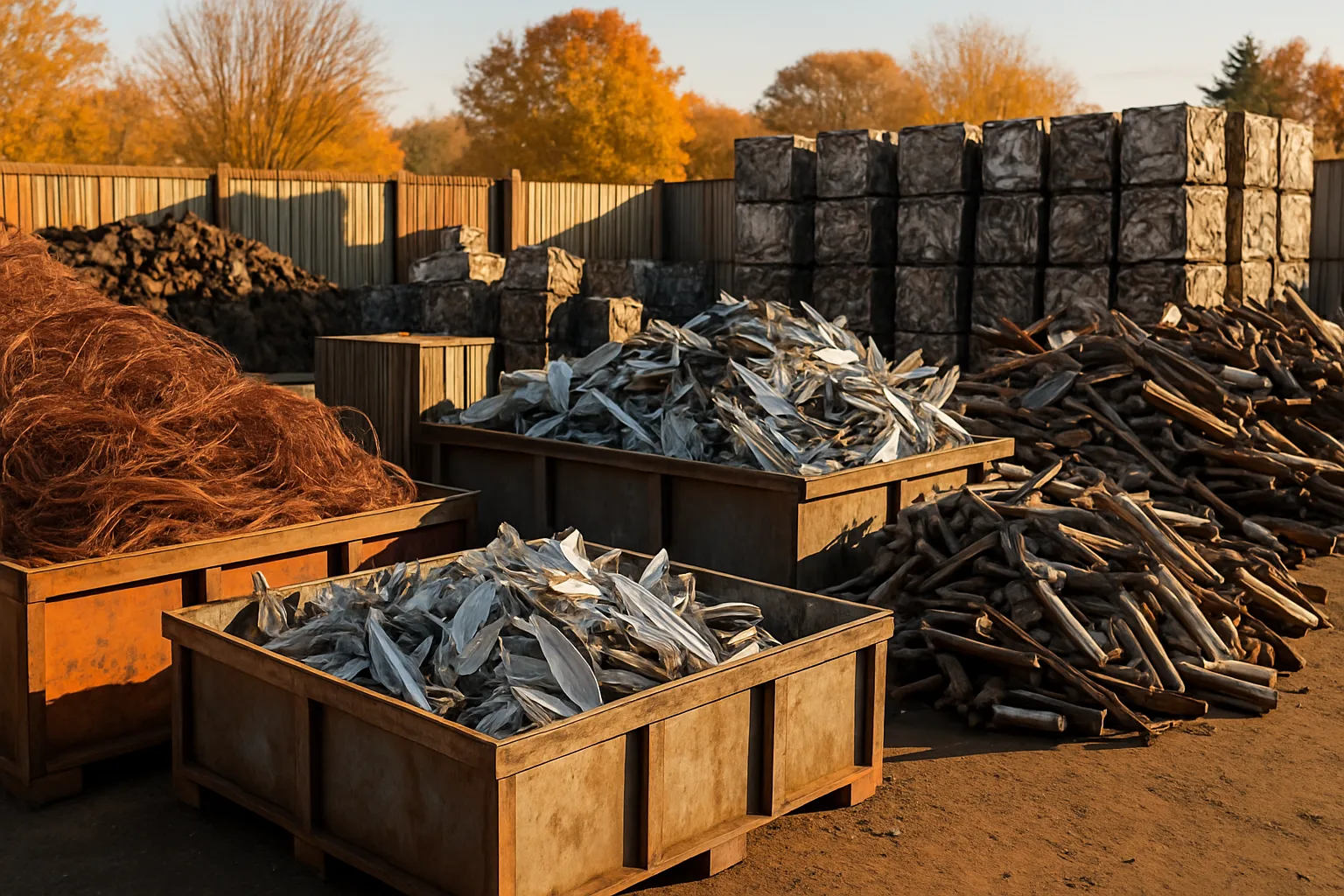
What Separates a Great Scrap Yard from a Waste of Your Time
Most people only visit a scrap yard when they're already frustrated — sitting on a dead car, a pile of copper wire, or a catalytic converter they pulled last week. You need a fair price, a quick transaction, and someone who actually knows what they're buying. That's not too much to ask. But not every yard delivers it.
Finding the right scrap yard near me Fort Wayne — or anywhere else in Indiana — means knowing what to look for before you load your truck. The wrong yard costs you money, time, and sometimes a headache when they dispute your weight or quote you a lowball number at the gate. This guide cuts through the noise so you walk in prepared.
Start With the Basics: Licensing, Certifications, and Buyer Reputation
A legitimate scrap yard operates with state-issued licenses and follows reporting requirements for purchased materials. In Indiana, yards that purchase copper, catalytic converters, and certain regulated metals are required to log seller information and report transactions. That's not red tape — it's a signal that the yard runs a clean operation.
Before you drive across town, do a quick check:
- Look for a physical address and verifiable business history. If the yard has been operating in Fort Wayne for years, that's a good sign. New operations with no track record deserve more scrutiny.
- Check reviews on Google, not just their own website. Look for mentions of accurate scales, fair pricing, and consistent payouts — not just "great service."
- Ask if they're a member of ISRI (the Institute of Scrap Recycling Industries). It's not mandatory, but it signals professional standards.
- Find out how they document purchases. Photo documentation, weight tickets, and detailed receipts protect both sides of the transaction.
Reputation matters in this business. A yard that's been buying scrap metal in Indiana for a decade has processed thousands of loads. They know grades, they know weights, and they're less likely to argue with you about what you brought in. That consistency is worth a lot more than a yard that quotes you a penny higher and then nickels-and-dimes you at the scale.
Know What You're Selling Before You Arrive
The yards that respect your time are the ones that expect you to know your material — at least at a basic level. Walking in with "some metal stuff" puts you at a disadvantage. Showing up with sorted, identified scrap puts money in your pocket.
Here's how to think about what you've got:
- Ferrous vs. non-ferrous: Grab a magnet. If it sticks, it's ferrous (steel, iron). If it doesn't, you've likely got aluminum, copper, brass, or stainless — all worth significantly more per pound.
- Catalytic converters: These are their own category. Cats are priced by make, model, and serial number — not just by weight. Knowing your serial numbers before you arrive helps yards give you an accurate quote. Platforms like smashscrap.com offer tools built specifically for documenting and selling cats with full serial tracking and photo documentation.
- Auto cores and parts: Alternators, starters, radiators — these have separate pricing tiers. Don't let them get lumped into a catch-all pile.
- Copper grades: There's a difference between bare bright copper wire, #1 copper, and #2 copper. Clean, stripped wire pays more. Insulated wire pays less.
If you're not sure about grades, ask the yard to walk you through it when you arrive. A good buyer will explain the difference. One who won't is showing you exactly how they operate. You can also read scrap yard guides and tips to get up to speed before your first visit.
How to Compare Scrap Metal Prices Near Fort Wayne
Scrap metal prices move with commodity markets. Copper, aluminum, and steel prices shift week to week based on global demand, energy costs, and manufacturing cycles. There's no fixed price for scrap — and any yard telling you otherwise is either guessing or locking you into a bad deal.
What you can do is compare. Don't call one yard, accept their number, and drive over. Call two or three. Ask each one for their current price per pound on the specific material you have. Most yards will give you a quote over the phone — it takes two minutes and it tells you immediately whether the spread is significant.
A few things that affect what you'll actually get paid:
- Volume: Bringing in 500 pounds of clean aluminum gets you a better conversation than 40 pounds of mixed scrap.
- Condition: Clean, sorted, and separated material almost always pays better than a mixed load that requires the yard to do more sorting labor.
- Timing: Prices fluctuate throughout the week and month. If you have flexibility, it can pay to watch the market.
- Relationship: Yards often pay regular sellers better than walk-ins. If you're bringing loads regularly, it's worth building a relationship with a buyer you trust.
Disclaimer: Scrap metal prices fluctuate daily based on market conditions. Always verify current rates directly with your local yard or an active pricing platform before selling.
For sellers moving larger volumes — especially loads of catalytic converters or non-ferrous material — the single-yard, single-quote model costs you money. That's where competitive platforms change the math. SMASH runs a vetted-buyer auction model where documented loads go to multiple buyers at once. More buyers means better price discovery. That's not a guarantee of a higher number — but it's a fundamentally more transparent process than one phone call to one contact.
What to Watch For at the Scale House
The scale is where deals get made — or where sellers get taken. A certified, legal-for-trade scale is required at any legitimate buying facility. Don't hesitate to ask when the scale was last certified. Most reputable yards display this information at the weigh station.
Here's what a professional transaction looks like at the gate:
- You weigh in with your load — the gross weight of vehicle plus material is recorded.
- Your material is unloaded and inspected. The yard may grade it on the spot or have a buyer assess specific items like cats or cores.
- You weigh out (empty vehicle) — the difference is your net material weight.
- You receive a weight ticket showing both weights, the net, the price per pound by material grade, and the total payout.
- Payment is issued — cash, check, or in some cases EFT depending on the yard's setup.
If a yard skips the weight ticket or gets vague about grades and pricing before you unload, that's a problem. Transparency at the scale isn't a courtesy — it's the baseline. Any yard worth your business will show you exactly how they got to your number.
Using Online Tools to Find Scrap Yards and Sell Smarter
Driving around looking for yards wastes time. The smarter move is to find a scrap yard near you using a directory built for this — one that filters by location, material type, and services offered. For sellers in Fort Wayne and across Indiana, this means spending five minutes online instead of thirty minutes in the truck.
Online platforms also change how you can sell certain materials. Catalytic converters, in particular, are well-suited for the online market. Because cats are priced by serial number — not just weight — a buyer in another state may pay significantly more than your local yard. Platforms that handle photo documentation, serial tracking, and vetted buyer networks remove the friction from that process.
When you're ready to locate the closest scrap yard or explore what your load is worth to a wider buyer pool, having the right tools makes the difference between leaving money on the table and getting what the market actually offers.
This is especially true for yards and recyclers running volume. If you're processing catalytic converters, aluminum loads, or non-ferrous material regularly, one local buyer relationship limits your ceiling. Competition reveals the real market price. That's the core idea behind how SMASH operates — documented inventory, vetted buyers, and an auction format that creates real price discovery instead of a gut-feel quote.
Red Flags That Tell You to Walk Away
Not every yard is worth your business. Here are the warning signs that should send you elsewhere:
- No weight ticket or vague documentation. If they won't show you the numbers in writing, walk.
- Verbal quotes that change at the scale. What they told you on the phone should match what they offer when you show up.
- Pressure to take a lower price "because of current markets" without any explanation of what changed.
- Refusal to identify material grades before purchase. You have a right to know what grade they're buying your copper or aluminum at.
- No valid ID requirement for regulated materials. In most states — including Indiana — yards are legally required to record seller information for certain metals. A yard skipping this step is operating outside the law.
- No posted prices or posted prices that are clearly outdated. Legitimate yards update their pricing boards regularly.
Trust your gut. A yard that makes you feel like you're asking too many questions is telling you something. Good buyers welcome informed sellers — it makes the transaction faster and cleaner for everyone involved.
Fort Wayne has real options for scrap sellers. Whether you're dropping off a load of steel, a few cats from your shop, or a full vehicle, the right yard exists. You just need to know what you're looking for before you show up.
If you're ready to explore your options — local yards, online buyers, or competitive auction platforms — start by getting the lay of the land. The best deal isn't always the closest yard or the first quote you get. It's the one that pays you fairly, treats you like a professional, and documents the transaction clearly. That's the standard. Hold every yard to it.
Frequently Asked Questions
Q: How do I find a reputable scrap yard near me in Fort Wayne, Indiana?
Start with a location-based directory to find yards operating in the Fort Wayne area. Then check Google reviews specifically for mentions of accurate scales, fair pricing, and transparent documentation. A yard with years of operation and consistent reviews is usually a safer bet than chasing a slightly higher per-pound price at an unfamiliar location.
Q: What scrap metals pay the most at Indiana yards?
Non-ferrous metals consistently outpay ferrous scrap. Bare bright copper wire, #1 copper, and high-grade aluminum typically sit at the top of the price scale. Catalytic converters can also yield strong returns, but pricing depends entirely on the specific make, model, and serial number — not just weight. Always get a grade-specific quote before unloading.
Q: Can I sell catalytic converters online instead of at a local scrap yard?
Yes — and for many sellers, the online market pays better than a single local yard. Because cats are priced by serial number, a vetted national buyer may offer more than your nearest yard. Platforms that include photo documentation and serial tracking streamline this process significantly. Make sure any platform you use works with vetted, verified buyers.
Q: Do I need an ID to sell scrap metal in Fort Wayne?
Yes. Indiana requires scrap dealers to record seller identification for regulated metals, including copper and catalytic converters. This is a legal requirement, not optional. Any yard operating without asking for ID on these materials is not in compliance with state law — which is itself a red flag about how they run their operation.
Q: How often do scrap metal prices change in Indiana?
Prices can shift daily based on commodity markets, global demand, and local yard inventory levels. Never assume a price you heard last week still applies. Always call ahead or check a current pricing tool before making the trip. For active sellers, tracking weekly price trends can help you time your loads more effectively.
Ready to stop guessing and start selling smarter? Whether you're hauling a load across Fort Wayne or managing material at scale, the right information puts you in control. Find a scrap yard near you and get started — check locations and resources at scrap-yard-near-me.com.
Stay sharp on market movements and platform updates by following SMASH on LinkedIn at linkedin.com/company/scrap-metal-auction-sales-hub — industry insights, pricing context, and no filler.