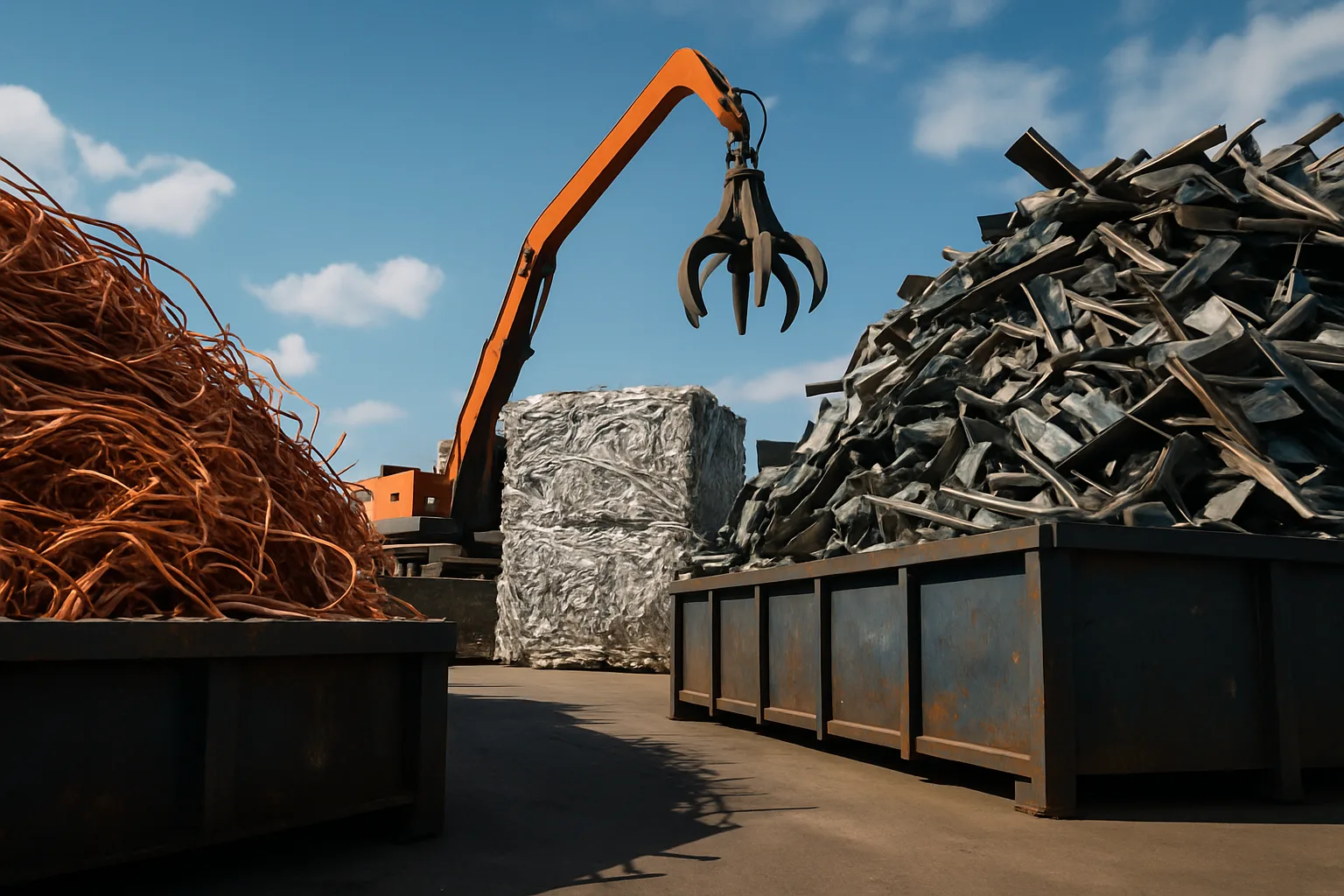
Most people focus on the payout. They forget about the trip. Hauling scrap metal without the right prep can bend your truck frame, blow a tire, earn you a roadside stop, or worse — injure someone. If you're heading to a scrap metal yard in Philadelphia or anywhere in Pennsylvania, the load you carry matters as much as the metal inside it.
This guide breaks down exactly how to load, secure, and transport scrap metal safely — so you roll in ready to sell, not pulled over on the shoulder of I-95.
---Why Safe Transport Is Non-Negotiable Before You Hit a Local Scrap Yard
Unsecured loads are illegal in every U.S. state. Pennsylvania is no exception. A loose piece of rebar or a shifting catalytic converter can become a projectile at highway speeds. We're not being dramatic — loose metal debris causes thousands of accidents per year on American roads. Yards won't take responsibility for what happens on the way in. That's on you.
Beyond the safety risk, a poorly loaded truck damages your payout. Twisted frames, bent catalytic converters, and contaminated loads can get flagged at the scale. You want your metal to arrive in the same condition it left your shop or yard. Here's how to make that happen.
- Pennsylvania law requires all vehicle loads to be properly covered or secured. Violations can result in fines and liability for road damage.
- Unsecured ferrous scrap (steel, iron) can shift and flip a smaller pickup if weight distribution is off.
- Non-ferrous material like copper or aluminum is lighter but still needs proper containment — especially in open truck beds.
- Cores and catalytic converters should be separated, documented, and secured before transport. More on that below.
Before you find a scrap yard near you and head out the door, take 20 minutes to properly load and check your vehicle. It saves you time, money, and legal headaches.
---Vehicle Selection and Weight Limits — Know Your Rig
Not every vehicle can haul every load. This seems obvious until someone tries to move a thousand pounds of heavy melting steel in a half-ton pickup built for 800-pound payloads. Know your truck's Gross Vehicle Weight Rating (GVWR) before loading anything. That rating is printed on the door jamb sticker — look for it.
Here's a rough breakdown of common vehicles used to haul scrap and their typical usable payload:
- Half-ton pickup (1/2-ton, e.g., F-150, Silverado 1500): Typically 1,000–2,000 lbs payload depending on configuration. Good for light non-ferrous loads, cats, and cores.
- Three-quarter ton and one-ton pickups (F-250, Ram 2500/3500): 2,000–4,000 lbs usable payload. Better suited for mixed ferrous loads and heavier scrap runs.
- Flatbed trailers: Ideal for sheet metal, structural steel, and bulky items. Always check trailer tongue weight and hitch ratings.
- Box trucks and straight trucks: Work well for enclosed loads, but require proper blocking and bracing inside. An unsecured load inside a box truck is just as dangerous as one riding in an open bed.
If you're running loads regularly — especially if you're managing inventory as a recycling business — tracking load weights becomes part of your operation. This is where scrap metal inventory management tools start to matter. Platforms like North America's B2B scrap metal auction platform SMASH include inventory tools that help you document what you're moving, weights included, before it ever leaves your facility.
---How to Load Scrap Metal Safely — Step by Step
Loading scrap isn't just throwing metal into a bed and driving. Weight distribution, load height, and how different materials interact all affect road safety. Follow these steps before every run.
1. Sort First, Load Second
Separate your materials before loading — ferrous from non-ferrous, clean copper from contaminated wire, cats from cores. Commingling materials on the truck bed leads to contaminated loads at the yard, which lowers your payout. At a local scrap yard in Philadelphia, a sorted load moves faster through intake and gets graded more accurately at the scale.
2. Heaviest Material Goes Lowest and Centered
Dense material — cast iron, heavy steel, lead — should sit flat on the truck bed, centered front-to-back and side-to-side. High center of gravity loads cause sway on highway ramps and sharp corners. Keep it low and balanced.
3. Use Tie-Down Straps, Not Rope
Rope stretches and degrades. Ratchet straps don't. Use straps rated for the weight you're carrying and cross them in an X-pattern over the load. For loads exceeding 1,000 lbs, use a minimum of four anchor points. Check strap condition before every trip — frayed webbing fails without warning.
4. Cover Open Loads
Pennsylvania law requires loads that can scatter to be covered. A tarp works for most scrap loads. Cargo nets work for irregular shapes but aren't substitutes for a solid cover on light material like aluminum turnings or shredded wire that can blow out at speed.
5. Protect High-Value Material Separately
Catalytic converters, copper tubing, and stainless steel cores should be loaded in containers or bins — not loose in the bed. These materials are also high-theft targets. Keeping them containerized during transport makes documentation easier and reduces handling at the yard. If you use VIN lookup or serial tracking on your cats and cores, have that documentation ready when you arrive.
6. Check Your Mirrors and Lights Before Pulling Out
A heavy load shifts your truck's ride height. Trailer hitches drop under load. Make sure your brake lights, turn signals, and trailer lights (if applicable) are visible and functioning. On a run into Philadelphia traffic, you cannot afford a rear-end collision because your brake lights were blocked by a protruding piece of channel steel.
---Scrap Metal Inventory Management Before and After the Haul
If you're hauling one truckload once a month, mental tracking works fine. If you're running multiple loads a week — cats, non-ferrous, ferrous mixed loads — you need a system. Guessing at weights and grades costs you money at the scale. Buyers notice inconsistencies. Yards notice them too.
Before loading, document what you're bringing. Photo evidence of material condition, weight estimates, and serial or VIN tracking for high-value items protects you if there's a dispute. It also creates leverage when you're ready to sell. Documented, photographed inventory gives buyers more confidence — and confidence drives competition.
SMASH is built for exactly this kind of operation. The platform's inventory and photo documentation tools let you build a clean, verifiable record of what you're selling before a single buyer sees it. When buyers see documented loads, they bid with confidence — and that competition helps reveal the market price. No guessing. No single buyer setting your number. Read scrap yard guides and tips to understand how proper documentation changes your negotiating position at any yard.
---What to Expect When You Arrive at a Scrap Metal Yard in Philadelphia
Knowing what happens when you pull into a yard removes the anxiety — especially if you're doing this for the first time. Philadelphia and the surrounding Pennsylvania metro area have a solid network of facilities. Each operates a little differently, but the general flow is the same.
- Weigh-in: You pull onto a scale — truck and all. They record your gross weight.
- Unloading: You unload your material in the designated area. Sorted loads move faster here.
- Grading: A yard employee grades your material. This is where preparation pays off — clean, sorted, documented loads get graded more accurately.
- Weigh-out: Your empty vehicle goes back on the scale. The difference is your net weight.
- Payment: Most yards pay same-day — cash or check depending on their policy and the dollar amount.
If you're a business seller or recycler moving significant volume, don't stop at walk-in rates. Locate the closest scrap yard and understand their commercial intake process — or consider listing through an auction platform where multiple buyers compete for your load. More buyers means better price discovery. That's not a pitch, that's math.
For businesses operating in and around Philadelphia, exploring Philadelphia scrap metal services through platforms and aggregators can help you compare options beyond just your nearest facility.
---Road Safety Checklist Before Every Scrap Haul
Tape this to your dashboard if you have to. Every trip should include a pre-departure check. Skipping this is how accidents happen and loads get rejected.
- ✅ GVWR confirmed — you're within your vehicle's payload rating
- ✅ Load centered — heaviest material low and balanced
- ✅ Minimum four ratchet straps secured and checked
- ✅ Load covered or fully contained per Pennsylvania law
- ✅ No material exceeding truck bed height by more than 6 inches (varies — check local regs)
- ✅ Brake lights, turn signals, and trailer lights checked
- ✅ Mirrors adjusted for load height change
- ✅ Inventory documented — photos, weights, VIN/serial tracking where applicable
- ✅ High-value material (cats, copper, cores) containerized and secured
- ✅ Bill of Lading or packing list ready if running a commercial load
Do this every time. Not most times. Every time.
---Frequently Asked Questions
Q: Do I need to cover my scrap metal load in Pennsylvania?
Yes. Pennsylvania law requires that any vehicle load capable of shifting, falling, or scattering must be properly covered or secured. Violating this can result in fines and civil liability for damage or injury caused by debris. A heavy-duty tarp secured with bungee cords or rope meets the basic requirement for most loads.
Q: How much weight can I haul in a standard pickup truck to a scrap metal yard in Philadelphia?
It depends on your truck's configuration. Most half-ton pickups carry between 1,000 and 2,000 lbs of usable payload. Check your door jamb sticker for the exact GVWR and subtract the truck's curb weight to find your available payload. Overloading damages your suspension, brakes, and tires — and can get you flagged at a commercial weigh station.
Q: What's the best way to document catalytic converters before taking them to a local scrap yard in Philadelphia?
Photograph each cat before loading, and record the VIN or serial number if available. Some yards and buyers require this documentation, especially as state and local regulations around cat purchases have tightened in recent years. SMASH's serial tracking feature lets you log this digitally, which helps if you're selling volume to multiple buyers.
Q: Can I bring mixed loads to a scrap yard, or do I need to sort everything?
Most yards accept mixed loads, but they'll pay you the lowest grade rate for the entire load. Sorting your material — separating ferrous from non-ferrous, clean copper from insulated wire, steel from stainless — gets you a more accurate grade and typically a better per-pound return. It's worth the extra time before the trip.
Q: How does SMASH help sellers before they reach a scrap yard?
SMASH is a B2B scrap metal auction platform that lets sellers list documented loads and let vetted buyers compete for them. Instead of calling one buyer and accepting their number, you get real market competition. The platform's inventory tools, photo documentation, and VIN/serial tracking features help sellers build a credible, verifiable load record before any buyer sees it.
---Getting your load safely to a yard is step one. Getting the right price for it is step two. Start with solid prep — know your vehicle, secure your load, document your material — and you'll walk into any facility ready. Whether you're running one truckload or managing weekly volume, the fundamentals don't change. Find the best scrap yard near you and make every haul count — check locations at scrap-yard-near-me.com.
For ongoing market insights and industry updates, follow SMASH on LinkedIn — it's where serious scrap professionals stay sharp.