From Your Driveway to the Steel Mill: What Really Happens to Scrap Metal After the Yard Buys It
Most people drop off a load of scrap, collect a check, and never think about it again. That's fine — but if you've ever wondered where your old radiators, catalytic converters, or pile of copper pipe actually end up, the answer is more interesting than you'd expect. And understanding it can make you a smarter seller.
Whether you're searching for metal recycling near me New York or you've already got a yard in mind, knowing what happens downstream gives you leverage. It helps you understand why buyers pay what they pay — and when to push back.
Here's the full picture, step by step.
---Step 1: Sorting and Grading at the Scrap Yard
The moment your load hits the scale, the yard starts evaluating it. Not all metal is created equal. A yard operator near New York handles everything from dirty copper and shredded steel to whole engines and catalytic converters — and each one gets treated differently.
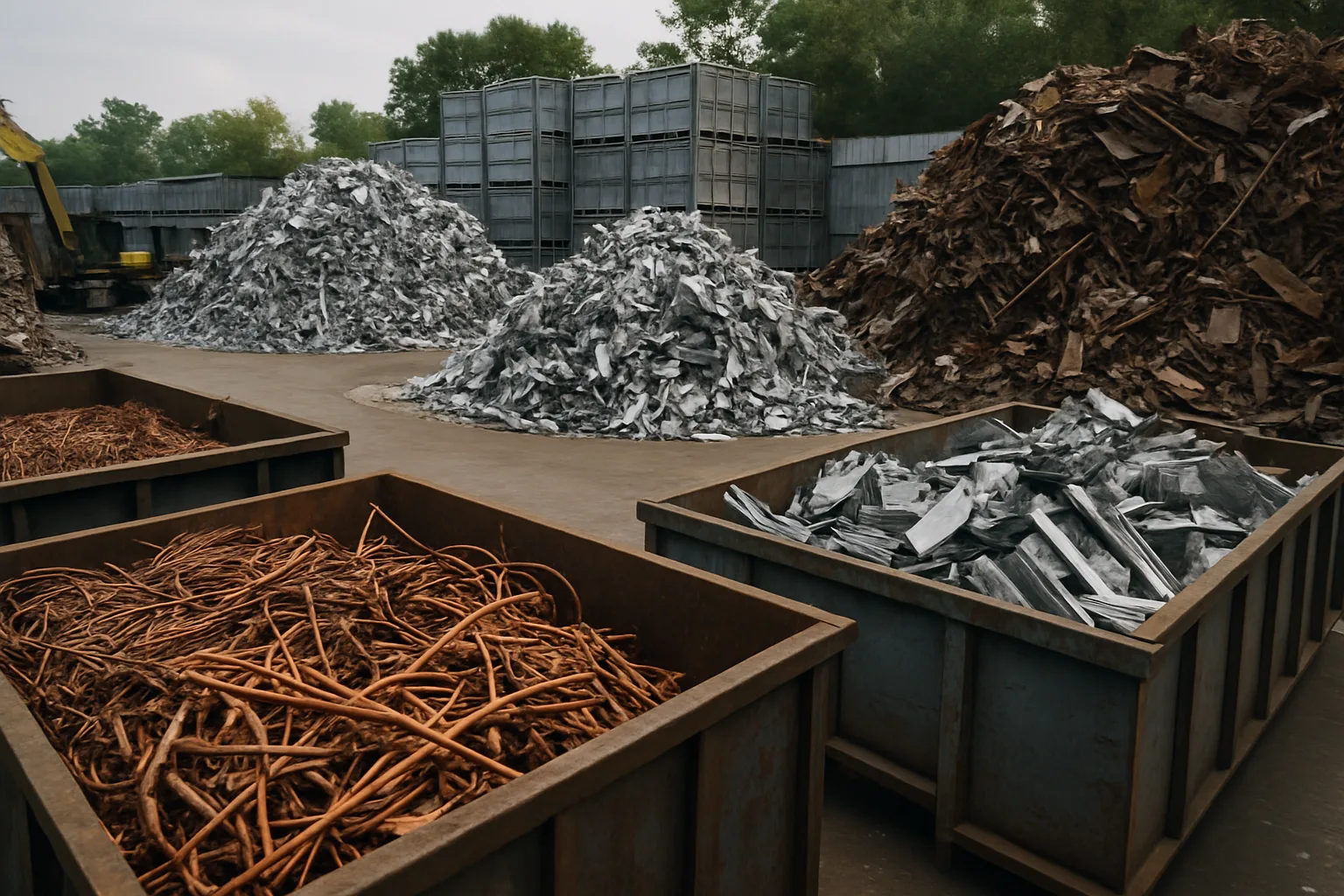
Sorting happens fast. Experienced yard workers separate ferrous metals (iron, steel) from non-ferrous (copper, aluminum, brass, stainless). Grade matters enormously here. Clean bare bright copper fetches a completely different price than insulated wire. Segregated aluminum extrusion beats mixed aluminum every time.
- Ferrous metals — sorted by grade (shredded, HMS 1, HMS 2, busheling) and staged for processing
- Non-ferrous metals — separated by alloy, condition, and purity
- Catalytic converters — sorted individually by vehicle make, model, and serial number; assayed for platinum group metals (PGMs)
- Mixed loads — may be re-sorted manually or run through a shredder/separator
This is also where documentation kicks in. Reputable yards log what came in, when, and from whom. If you're selling cats in New York, state regulations require detailed records — VIN numbers, seller ID, and itemized receipts. That paperwork follows the material all the way down the chain.
---Step 2: Processing — Shredding, Baling, and Separation
Once sorted, most ferrous scrap gets processed on-site before it moves anywhere. Large yards run industrial shredders that can tear apart entire vehicles in seconds. The shredded output — called "shred" or "zorba" — gets run through magnetic separators that pull out steel, then through eddy current separators that eject non-ferrous metals.
Non-ferrous material gets baled or packaged into specific grades for downstream buyers. Aluminum gets crushed into dense bales. Copper gets coiled or baled by grade. This stage is where the yard captures most of its margin — buying loose and dirty, selling clean and dense.
Catalytic converters skip the shredder entirely. They get de-canned (the ceramic honeycomb substrate removed from the steel shell) or sold whole to specialty processors who do it at scale. The platinum, palladium, and rhodium inside are worth real money — which is exactly why a catalytic converter auction format, like what SMASH offers for comparing scrap metal bids from verified buyers, can dramatically improve what you get for your cats versus just taking the first offer.
---Step 3: Who Buys From the Scrap Yard? (The Middlemen and Mills)
Here's where it gets interesting. Your local yard is rarely the final stop. Most yards are aggregators — they collect from individuals and businesses, process the material, and sell larger volumes to mills, smelters, and commodity traders.
The chain typically looks like this:
- You (the seller) — bring your load to the yard or get picked up
- Local scrap yard — sorts, processes, accumulates inventory
- Regional broker or dealer — buys truckloads or containers from multiple yards
- Steel mill or smelter — melts and reprocesses the metal into new raw material
- Manufacturer — uses recycled metal to produce new products
For non-ferrous metals, the chain can include commodity exchanges. Copper prices, for example, track the London Metal Exchange (LME) and COMEX in real time. When copper prices spike, the bump trickles down — eventually reaching what a scrap metal buyer near me New York will offer you for your load.
The margin at every stage is the spread between what each player pays and what they sell for. Your job as a seller is to get as close to the top of that chain as possible — or at least to make sure your yard is competing to win your business.
---Step 4: The Mill — Where Metal Becomes Metal Again
Steel mills that use recycled scrap are called Electric Arc Furnace (EAF) mills. They melt scrap steel using high-powered electric arcs, refine it, and pour it into new billets, coils, or beams. EAF mills are significant buyers of processed scrap — and their appetite directly drives what yards pay you.
On the non-ferrous side, aluminum smelters melt sorted alloys back into ingots that get sold to automotive, construction, and packaging manufacturers. Copper ends up in wire, plumbing, and electronics. Even the steel shell from a catalytic converter gets shredded and recycled — nothing goes to waste.
Precious metals from catalytic converters go through a completely separate process: smelting and chemical assaying to extract and purify the platinum group metals. This is a specialized industry, and the value is real. A single late-model diesel truck cat can contain enough palladium and rhodium to make the price discovery process matter a lot. That's why selling cats through a competitive catalytic converter auction — rather than a single cash offer — changes the outcome.
---What This Means for Sellers in New York
New York is one of the most active scrap markets in the country. The density of construction, demolition, automotive, and industrial activity means there's no shortage of material — or buyers. But that volume also means it's easy to leave money on the table if you're not paying attention.
Knowing the downstream journey helps you ask better questions at the yard:
- Is my copper being weighed by grade or all mixed together?
- Are my cats being serialized and priced individually or lumped into a flat rate?
- What are current mill prices, and how does your offer compare?
If you're new to selling, find a scrap yard near you using a trusted directory so you start with a vetted facility. If you've already got a yard in mind, look into whether they use competitive bidding for higher-value loads. SMASH connects sellers directly with verified buyers who bid against each other — so the market sets the price, not a single yard's best guess.
For residents across the state, New York scrap metal services are available through verified local yards that handle everything from a truckload of HMS to a bag of copper fittings. Whether you're near the boroughs or upstate, options exist — you just need to compare them.
When you locate the closest scrap yard using our directory, you'll see facilities that are open, verified, and ready to handle your material. That cuts out the guesswork before you even load your truck.
---Why Competition at Every Stage Matters — Including Yours
Here's the part most sellers miss: the same competitive pressure that drives prices between mills and brokers should be driving the price you get at the yard level. But it rarely is — because most sellers call one yard, accept the quote, and drive over.
That's the old way. One call. One number. No leverage.
The better move is to get your load documented — photos, weights, grades — and let buyers compete. SMASH was built specifically for this. Vetted buyers bid on your inventory. You see the offers. You pick the best one. No subscription fees. No guessing.
More buyers means better price discovery. Documented inventory gives buyers more confidence to bid higher. And when the material is high-value — cats, non-ferrous loads, cores — competition can reveal the real market.
Want to go deeper on how to maximize your loads before you sell? Read scrap yard guides and tips that walk you through grading, timing, and what to expect at the scale.
The scrap industry moves fast. Mills adjust their buy prices weekly. Non-ferrous markets react to global demand in real time. The yards that offer you the best price today may not be the best offer next month. Staying informed — and selling competitively — is the only way to stay ahead.
If you're ready to sell, start by finding the right facility. Check locations at scrap-yard-near-me.com and connect with a yard that can handle your material and get you a fair number — whether you're dropping off a pickup truck load from a Brooklyn renovation or a flatbed full of industrial scrap from upstate New York.
---Frequently Asked Questions
Q: What do scrap yards do with the metal after they buy it?
Scrap yards sort, process, and resell metal to mills, smelters, and commodity traders. Ferrous material typically goes to electric arc furnace steel mills. Non-ferrous metals like copper and aluminum go to specialty smelters. The recycled material becomes raw feedstock for new manufactured goods.
Q: How do I find metal recycling near me in New York?
Use a verified scrap yard directory like scrap-yard-near-me.com to locate facilities in your area. Look for yards that list their accepted materials, hours, and contact info upfront. In New York City and across New York state, there are yards that handle everything from household metals to commercial loads.
Q: What happens to catalytic converters at a scrap yard?
Catalytic converters are sorted by make, model, and serial number, then either de-canned on-site or sold whole to specialty processors. The platinum, palladium, and rhodium inside are recovered through smelting and chemical refining. Selling cats through a competitive auction format — rather than a single offer — can improve what you receive.
Q: Why do scrap metal prices change so often?
Scrap prices track global commodity markets. Copper follows LME and COMEX pricing. Steel scrap prices reflect mill demand and global steel output. Precious metals in catalytic converters fluctuate with platinum group metal spot prices. Always check current rates before you sell — prices from last month may not reflect today's market.
Q: Is it worth getting multiple quotes before selling my scrap in New York?
Yes — especially for high-value material like non-ferrous loads or catalytic converters. A single yard's offer is one data point. Platforms like SMASH let vetted buyers compete for your inventory, which helps reveal the actual market price. The extra step is worth it when the loads are valuable enough to matter.
Disclaimer: Scrap metal prices fluctuate based on market conditions. Always check current rates with your local buyer before selling.
Follow SMASH on LinkedIn for scrap metal market updates, industry news, and tips on getting more from every load you sell.
```