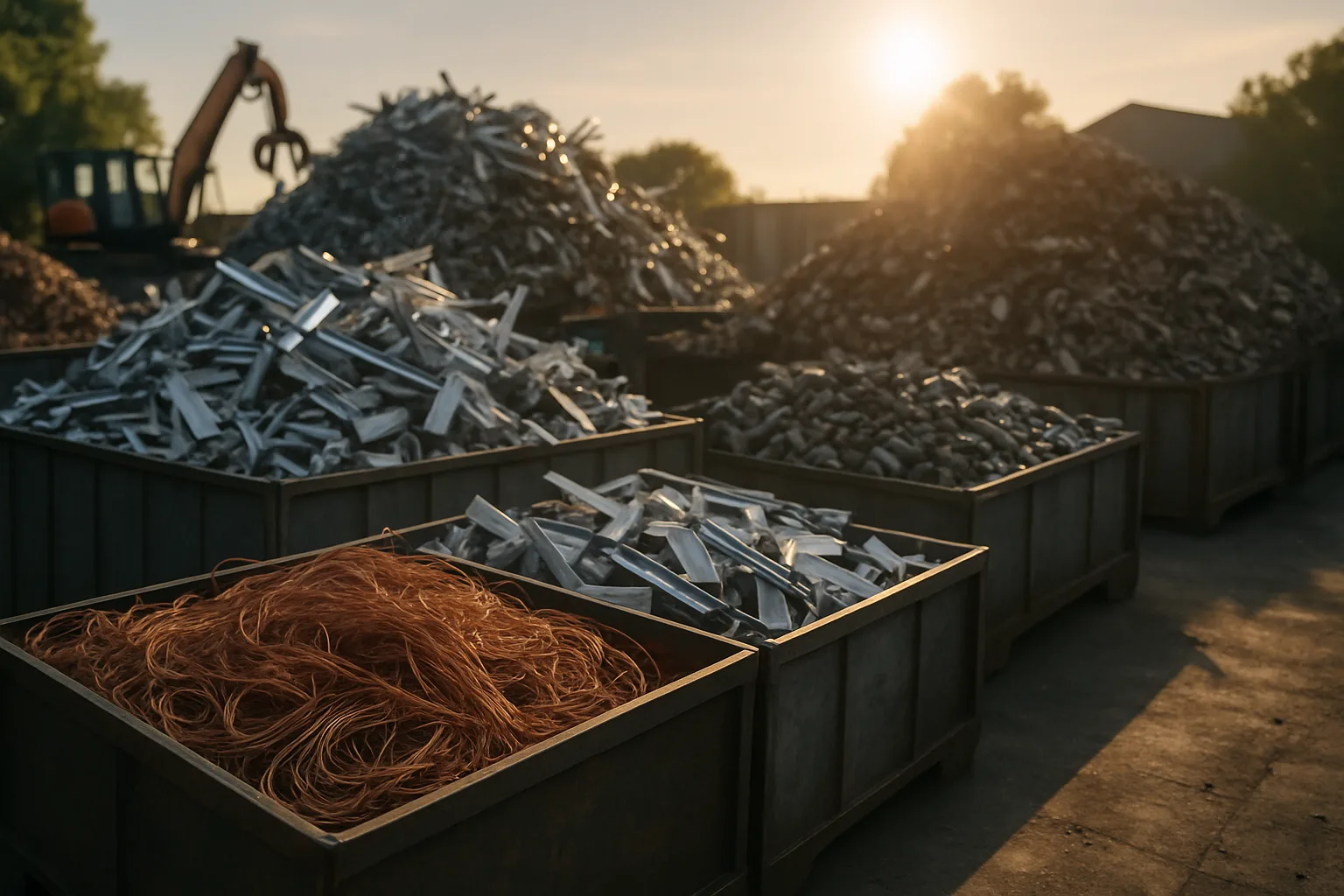
Pittsburgh's Scrap Yards Are Doing More Than You Think
Here's a number worth sitting with: recycling a single ton of steel saves over 1,400 pounds of coal, 120 pounds of limestone, and 2,500 pounds of iron ore. That's not marketing copy — that's physics. And every time you drop off a load of non-ferrous, crush a car, or move a pallet of cats, you're part of a system that actually works. In Pittsburgh, that system runs deep.
The circular economy isn't a buzzword anymore. It's a policy framework, a procurement standard, and increasingly, a regulatory reality. If you want to find scrap yard Pittsburgh options that are built to operate inside this framework — not scrambling to catch up to it — you need to understand what's actually changing in 2026 and why it matters to your business.
What the Circular Economy Actually Means for Scrap Yards in Pennsylvania
Strip away the academic language and the circular economy has one core idea: materials should stay in use as long as possible. When metal gets recycled instead of landfilled, it re-enters manufacturing as feedstock. No mining. No smelting raw ore. Significantly lower energy input. The steel in your car, your appliances, and your industrial equipment doesn't have to die — it just needs to move through the right hands.
Pennsylvania has been quietly tightening its stance on how metal waste flows. In 2026, extended producer responsibility (EPR) frameworks are gaining legislative traction in Harrisburg and across the Northeast. These aren't vague policy intentions anymore — they're shaping how manufacturers, dismantlers, and scrap yards document and report what they process. If your yard isn't tracking serial numbers, material types, and chain-of-custody data, that gap is going to cost you.
What this means practically for yards in the Pittsburgh area:
- Documentation requirements are increasing — BOLs, packing lists, and photo documentation are becoming baseline, not optional.
- Buyers are asking harder questions about material sourcing and compliance before they bid.
- Yards that can prove what they have — and where it came from — attract more serious, vetted buyers.
The Old Way of Selling Scrap Is Getting Squeezed Out
For decades, the process looked the same: one buyer, one phone call, one price. You either took it or you didn't. If the relationship was good, you got paid. If the price was low, you grumbled and signed the ticket anyway. That model worked when information was scarce and buyers held all the leverage.
It doesn't work anymore. Not in a market where commodity prices shift weekly, where buyers have more sourcing options than ever, and where a yard operator who doesn't know the current spread on bare bright copper or #1 HMS is leaving money on the table every single load. The circular economy demands efficiency. Efficiency demands competition. And competition requires more than one buyer in the room.
This is exactly where platforms like North America's B2B scrap metal auction platform change the equation. When you list a load — whether it's a trailer of shredder feed, a drum of non-ferrous, or a pallet of catalytic converters — vetted buyers compete in real time. That competition can help reveal the actual market price, not just what one buyer felt like offering on a Tuesday morning.
How Pittsburgh Scrap Yards Can Plug Into the B2B Scrap Metal Marketplace
Pittsburgh has a long memory when it comes to metal. The steel industry shaped this city — literally. The infrastructure, the rivers, the neighborhoods — all of it carries the fingerprints of a region that built its identity around working with metal. That legacy is an asset, not just a story. Yards here understand tonnage, they understand ferrous flow, and they understand what it means to move metal at volume.
But understanding metal and understanding the market are two different things. A modern B2B scrap metal marketplace brings those two things together. When a yard in Pittsburgh lists inventory with proper documentation — VIN lookups on cores, serial tracking on electronics, photo documentation on mixed loads — it signals to buyers that this is a professional operation. That signal matters. It's the difference between a low-ball offer from a single buyer and real price discovery from multiple competing bids.
For yards offering Pittsburgh scrap metal services, the practical steps to compete in this environment are straightforward:
- Document everything. Weight tickets, photos, BOLs — make it easy for a buyer you've never met to trust your load.
- Know your material. Non-ferrous grades matter. Dirty aluminum versus clean aluminum is not the same load. Neither is #1 copper pipe versus insulated wire.
- Stop relying on one relationship. One buyer sets the price. Multiple buyers discover it.
- Use tools built for this industry. Inventory tools, VIN lookup, auto-invoicing — these aren't luxuries, they're how you operate at scale without the paperwork nightmare.
Whether you're a small yard running a few loads a month or a larger operation processing volume, the B2B auction format levels the access. No subscription fees. SMASH only wins when you do.
Metal Recycling Near Me Pittsburgh: What Buyers Are Looking For in 2026
If you're searching metal recycling near me Pittsburgh as a seller, you're already ahead of the curve — you know the material has value and you're not throwing it away. But buyers in 2026 are more selective than they were even two years ago. Compliance requirements from downstream processors mean that what shows up on their dock needs to match what was listed. Discrepancies slow everything down and erode trust fast.
Here's what serious scrap buyers are looking for when they evaluate a load:
- Accurate grade descriptions. Calling something "mixed metal" when it's actually sorted non-ferrous is a fast way to lose credibility.
- Weight accuracy. Certified scale tickets build trust before a buyer ever sees the material in person.
- Clean documentation. Packing lists, photos, and condition notes reduce friction and disputes.
- Sourcing clarity. With catalytic converter theft regulations tightening across Pennsylvania and neighboring states, buyers need to know where cores came from. Serial tracking isn't optional anymore.
Yards that get this right move their material faster. Yards that don't find themselves stuck with one buyer's take-it-or-leave-it number. The difference between those two outcomes is documentation and competition — both of which SMASH is built to support.
Why the Circular Economy Creates Real Opportunity — Not Just Compliance Headaches
It's easy to hear "regulation update" and immediately think about paperwork and cost. That framing misses the bigger opportunity. When the rules around scrap documentation tighten, the yards that already have clean processes become more valuable. Their loads are easier to buy. Their compliance record is cleaner. Their relationship with downstream processors stays intact.
Yards operating without proper tracking systems scramble to retrofit processes that should have been in place years ago. The yards that invested early in documentation, digital inventory, and multi-buyer access — those are the ones that grow while others are catching up.
Pennsylvania is a significant player in the U.S. recycling supply chain. Pittsburgh, in particular, moves serious volume — ferrous, non-ferrous, auto cores, and industrial scrap. The yards here have the infrastructure and the knowledge. What the market demands now is the process discipline and the buyer access to match that capacity. If you want to find a scrap yard near you that's operating at this level, the right tools make that search much faster.
The circular economy isn't slowing down. If anything, the regulatory and commercial pressure behind it accelerates through the back half of this decade. Yards that position themselves as compliant, documented, and competitive aren't just surviving that pressure — they're using it as a barrier against less professional competitors. That's a real strategic advantage.
Whether you're a yard operator, a buyer, or an individual trying to locate the closest scrap yard for a one-time cleanout, understanding this shift helps you make better decisions. The market rewards transparency. Start there. And if you want to go deeper on how this industry works, read scrap yard guides and tips that cut straight to what matters.
The best time to get your process right was two years ago. The second best time is now. Find a yard near you, get your material documented, and stop guessing at price — check locations at scrap-yard-near-me.com and put real competition to work for you.
Frequently Asked Questions
Q: How do I find a scrap yard in Pittsburgh that accepts all types of metal?
Most full-service yards in the Pittsburgh area accept ferrous and non-ferrous metals, including steel, aluminum, copper, and brass. Call ahead to confirm they accept your specific material — some yards specialize in auto cores or industrial scrap, while others run a more general operation. Using a directory like scrap-yard-near-me.com helps you filter by material type and location quickly.
Q: What's the difference between a scrap yard and a junkyard downtown?
The terms overlap but aren't identical. A junkyard typically focuses on end-of-life vehicles — pulling parts, crushing cars, handling auto scrap. A scrap yard processes a broader range of metals and materials, often including industrial and commercial loads. In Pittsburgh, many facilities do both, so it's worth asking what their primary focus is before you haul a load across town.
Q: How does the circular economy affect what scrap yards pay for metal?
It's indirect but real. As downstream manufacturers increasingly prioritize recycled feedstock over virgin material, demand for quality scrap stays strong. What affects your payout most is grade accuracy, documentation, and how many buyers are competing for your load. More competition means better price discovery — which is why B2B auction platforms are changing how serious yards move material.
Q: Do I need paperwork to sell scrap metal in Pennsylvania?
Pennsylvania has scrap dealer regulations that require buyers to record seller information, material descriptions, and in some cases, verify ID — especially for catalytic converters and regulated materials. Requirements tightened in recent years and continue to evolve. Always ask your local yard what they need before you show up with a load, and keep your own weight tickets and receipts for any significant transaction.
Q: What is a B2B scrap metal marketplace and how does it help my yard?
A B2B scrap metal marketplace connects yards directly with multiple vetted buyers through a competitive auction format. Instead of calling one buyer and taking their number, you list your load with documentation and let buyers compete. That competition helps reveal the actual market price rather than one buyer's margin. SMASH operates this way — no subscription fees, and they only earn when you do.
Follow SMASH on LinkedIn for ongoing scrap metal market insights, industry news, and updates on what's moving the market across North America.