Your Scrap Metal Doesn't Just Disappear — Here's Where It Actually Goes
Most people drop off their load, pocket the cash, and never think twice about what happens next. But if you've ever wondered what actually becomes of that pile of copper pipe, old radiators, or junked-out engine block — the answer is more interesting than you'd expect. And understanding it can make you a smarter seller.
Metal recycling near me Dearborn is more than a Google search. It's the start of a supply chain that feeds manufacturers, foundries, and mills across North America. Every piece of scrap you bring in gets sorted, processed, and eventually melted back into raw material that builds something new. Here's the full picture.
Step One: Sorting and Grading at the Yard
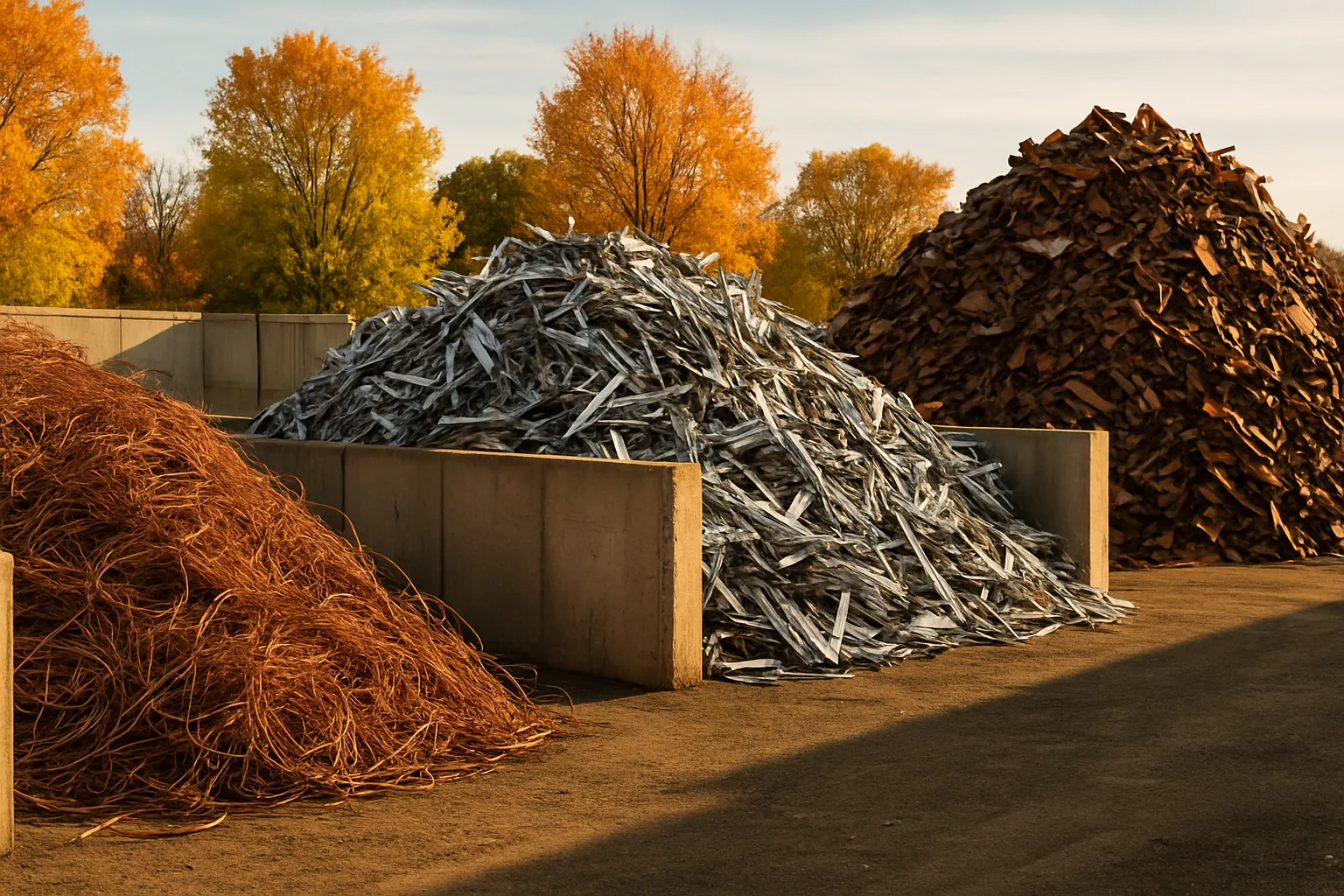
The moment your load hits the scale, the yard starts making decisions. Workers and buyers classify everything by metal type, grade, and contamination level. Copper goes in one bin. Aluminum in another. Ferrous material — steel, iron, cast — gets separated from non-ferrous. Mixed loads get broken down by hand or machine.
This is why preparation matters on your end. Cleaner material earns higher grades. A stripped copper wire is worth more than insulated wire because the yard doesn't have to process it. A clean aluminum rim beats a painted one with steel weights still attached. The grade assigned at intake directly determines what the yard can charge when it sells that material downstream.
- Ferrous metals (steel, iron, cast): Lower value per pound, but high volume — these move in bulk to steel mills
- Non-ferrous metals (copper, aluminum, brass, stainless): Higher value, more precise grading, more buyers competing for the material
- Mixed loads: Sorted on-site, often mechanically, before processing begins
- Catalytic converters (cats): Handled separately — serial tracking and photo documentation are standard practice now
Dearborn yards deal with a particularly heavy mix of automotive scrap given the region's deep roots in vehicle manufacturing. You'll find everything from transmission housings to whole engine blocks moving through local facilities on any given day.
Step Two: Processing — Shredding, Baling, and Torching
Once sorted, the metal gets processed into forms that mills and foundries can actually use. Ferrous material often goes through a shredder — a machine that can reduce an entire car body to fist-sized chunks in seconds. What comes out is called shredded scrap, and it feeds electric arc furnaces at steel mills.
Non-ferrous material gets baled or bundled. Aluminum sheets get compressed into dense bales. Copper gets bundled by grade. Brass gets weighed and packed. The goal is consistent, dense, transportable material that buyers can spec and price accurately. Loose piles don't ship efficiently — processed product does.
Large structural steel and plate often gets cut with torches or plasma cutters rather than shredded. This is common when dealing with industrial demolition material, machinery frames, or heavy equipment. If you're running a junkyard near me car business and selling entire vehicle hulks, that material almost certainly ends up shredded.
Step Three: The Yard Sells Its Inventory — This Is Where the Market Gets Interesting
Here's the part most sellers never see. After the yard processes your material, they turn around and sell it — usually in bulk loads — to mills, smelters, foundries, or brokers. The price they get on that sale is directly tied to what they paid you at intake. Yards buy low enough to cover processing costs and still turn a margin when they sell.
Traditionally, this sale happened over the phone. One buyer, one call, one price. The yard either took it or held the material hoping for better. There was no competition, no transparency, and no way to know if the market had more to offer.
That model is changing. Platforms like SMASH Scrap — where verified buyers bid on your metal have introduced auction-based selling for processed scrap loads. Instead of one phone call to one buyer, a yard lists a load and multiple vetted buyers compete for it. Competition can help reveal the market. That's better price discovery for the yard — and a healthier margin that makes better intake pricing possible for sellers like you.
If you're a yard operator or a seller looking to find a scrap yard near you that's connected to real market pricing, understanding this downstream dynamic matters. The yards getting competitive bids on their outgoing loads have more flexibility on what they pay at the gate.
What Happens to Automotive Scrap Specifically
Dearborn and the broader Michigan market have always been heavy in auto scrap. That's not a coincidence — it's geography and history. The concentration of manufacturing and auto-related businesses in this region means yards here see a constant flow of vehicle-related material.
When a car gets junked, the process is methodical:
- Fluids out first — oil, coolant, brake fluid, and refrigerant get drained and disposed of according to environmental regulations
- Parts pulled for resale — alternators, starters, transmissions, doors, and other components with resale value get catalogued and listed (this is the scrap yard near me for parts market)
- Catalytic converters removed — cats contain platinum group metals (PGMs) and are handled separately, often with VIN lookup and serial tracking for compliance
- Battery removed — lead-acid batteries go to battery recyclers; EV battery packs have their own handling chain
- Hull crushed or shredded — the remaining steel body goes through a shredder and into the ferrous stream
The non-ferrous parts — copper wiring harnesses, aluminum engine blocks, brass fittings — get sorted out before the hull goes to the shredder. A typical passenger vehicle yields somewhere between 1,500 and 2,500 pounds of material depending on size. Most of that is steel. A smaller but more valuable portion is aluminum, copper, and other non-ferrous metals.
If you're searching for a scrap metal buyer near me Dearborn to handle vehicle material, look for yards that have proper depollution equipment and documented processes. It matters for compliance, and it matters for what you get paid.
From the Yard to the Mill — The Final Leg
After the yard has processed and sold the material, it moves to end users. Steel scrap feeds electric arc furnace (EAF) mills that melt it down and cast new steel products — rebar, structural beams, sheet metal. The US steel industry relies heavily on recycled scrap as feedstock. It's cheaper and more energy-efficient than producing steel from virgin ore.
Aluminum scrap goes to smelters who melt and alloy it into new aluminum products. Copper goes to refineries and rod mills. Brass goes to foundries. Every metal has a downstream buyer who pays based on purity, grade, and market pricing tied to the London Metal Exchange (LME) or other commodity benchmarks.
This is why scrap metal prices fluctuate. They're tied to commodity markets, energy costs, manufacturing demand, and global trade conditions. Scrap yard near me Michigan searches might turn up yards paying different rates on the same day — because some yards have better access to downstream buyers, lower processing costs, or more competitive auction activity on their outgoing loads.
To stay sharp on how yards source material and sell into these markets, read scrap yard guides and tips that break down pricing dynamics, material grades, and what to expect when you bring in a load.
What This Means for You as a Seller
Understanding the downstream chain makes you a better seller. When you bring in clean, sorted, well-documented material, you're reducing the yard's processing cost. That gives you a stronger position when negotiating price. You're not guessing — you know what the yard has to do with your load before it can sell it.
If you're selling consistently — auto parts, non-ferrous loads, cores, or larger volumes — the scrap metal auction platform model used by SMASH is worth understanding. Yards that sell through competitive auctions tend to have better price discovery on outgoing loads, which translates to more stable and competitive buying prices at intake.
Preparation tips that improve your outcome:
- Sort your material before arrival — mixed loads get priced at the lowest grade in the mix
- Remove insulation from copper wire when volume justifies it
- Bring documentation for cats — serial numbers, VINs, and photos speed up the transaction and reduce friction
- Ask the yard which grades they're actively buying — some yards are long on certain materials and short on others
- Call ahead for large loads — yards appreciate lead time and may offer better terms for scheduled deliveries
Whether you're a first-time seller or a regular hauler, the best move is to locate the closest scrap yard with the capacity and buyer relationships to handle your material properly. Not every yard is set up the same way. Know what you're bringing in and find the yard that's built to handle it.
The scrap metal chain starts with your load and ends at a mill or foundry somewhere in North America. Every step of that chain runs on transparency, documentation, and competitive pricing. If your yard isn't connected to that market, you're leaving money on the table. Find the best scrap yard near you — check locations at scrap-yard-near-me.com and make sure your material gets into the right hands.
Frequently Asked Questions
Q: What actually happens to scrap metal after the yard weighs it?
The yard sorts, grades, and processes the material — shredding, baling, or cutting it into forms that downstream buyers (mills, smelters, foundries) can use. It's then sold in bulk loads to those end users, where it gets melted down and remanufactured into new metal products. The whole process from intake to melt can take days to weeks depending on material type and market conditions.
Q: How do I find a reputable metal recycling near me Dearborn?
Search for licensed facilities that weigh on certified scales, provide itemized receipts, and can tell you clearly how they grade your material. In Dearborn and across Michigan, look for yards with proper depollution equipment if you're bringing in vehicle material. Word of mouth from other haulers is one of the most reliable filters.
Q: Why do scrap prices vary between yards on the same day?
Yards set prices based on what they can get from downstream buyers, their processing costs, and how much of a given material they currently have in inventory. Yards with better buyer access — including those using competitive auction platforms — often have more flexibility to offer stronger intake prices. Always call at least two yards before committing a large load.
Q: What's the difference between a scrap yard and a junkyard near me for car parts?
A junkyard (also called an auto salvage yard) focuses on pulling and reselling used parts before crushing the vehicle hull. A scrap yard primarily buys material by weight for recycling. Many facilities do both — pull saleable parts, then scrap the remaining hull. If you're looking for a scrap yard near me for parts, call ahead to confirm they do part sales versus weight-only buying.
Q: Does the type of material I bring in affect how quickly I get paid?
Generally, no — most yards pay at the time of transaction regardless of material type. However, certain materials like catalytic converters may require additional verification steps (VIN lookup, serial tracking) before final payment is issued. Ask the yard about their process for your specific material before you show up with a load.
Stay current on scrap metal market trends, yard pricing, and industry news by following SMASH on LinkedIn — real insights from inside the scrap industry, not press releases.
```