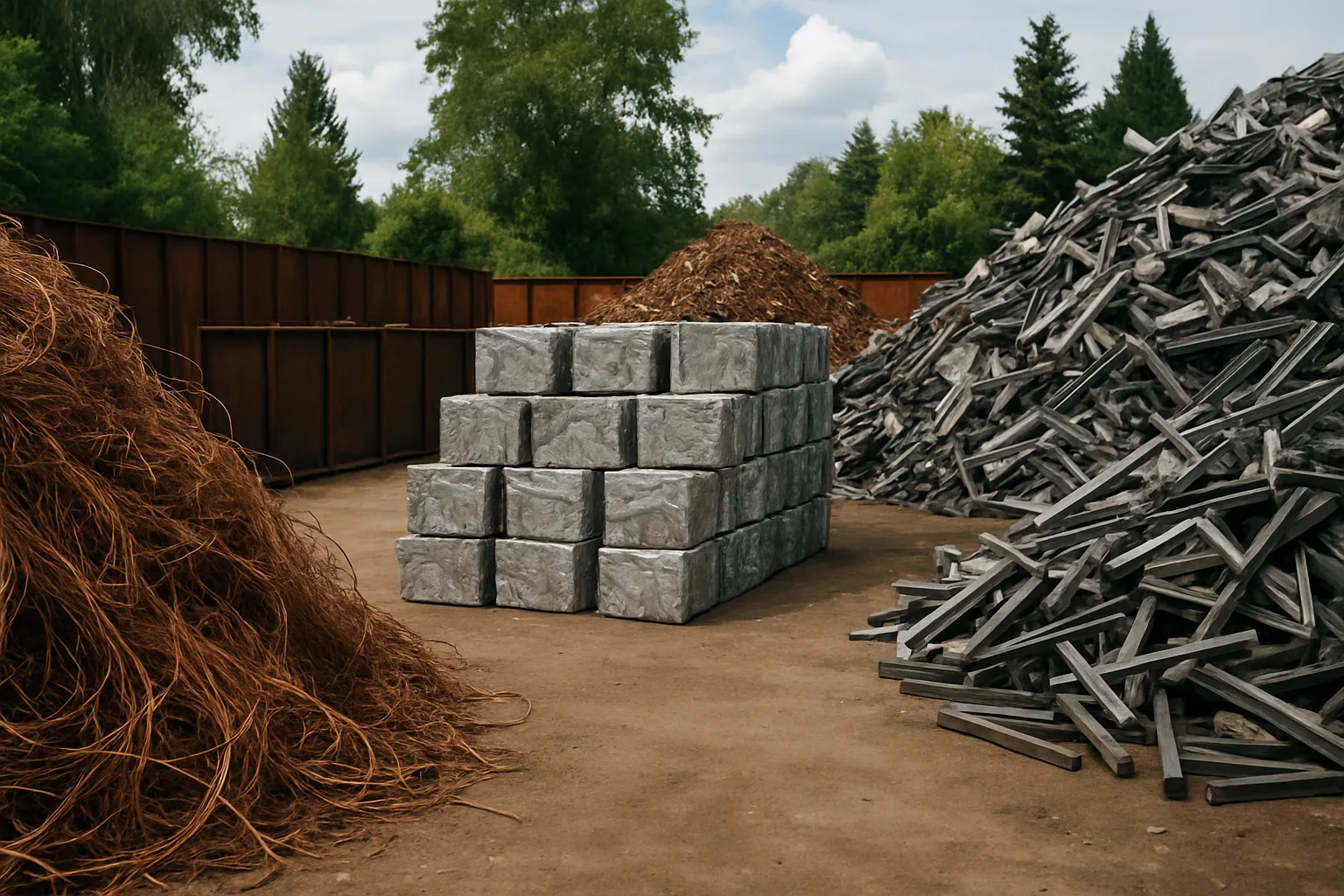
Most people think scrap yards are just piles of metal sitting in a lot. They're not. A legitimate scrap metal yard Seattle operates under a dense web of environmental regulations — federal, state, and local — that dictate everything from stormwater runoff to how fluids get drained from junked vehicles. If you're selling scrap or choosing where to take your material, understanding this regulatory landscape matters more than you might think.
Yards that cut corners on compliance don't just risk fines. They risk losing their operating license entirely. And if a yard isn't serious about environmental standards, that's a red flag for how they run their business overall — including how they treat sellers.
Why Environmental Regulations Hit Scrap Metal Yards Hard
Scrap yards handle materials that can cause serious environmental damage if mismanaged. We're talking about oils, coolants, battery acid, refrigerants, and heavy metals — all of which can contaminate soil and groundwater if they're not handled correctly. A single junked car contains multiple fluids that are classified as hazardous waste under federal law.
The Environmental Protection Agency (EPA) sets baseline rules under laws like the Resource Conservation and Recovery Act (RCRA) and the Clean Water Act. But states layer their own requirements on top. In Washington, the Department of Ecology (DOE) enforces some of the toughest environmental standards in the country. A local scrap yard Seattle must comply with both federal and Washington state law — and there's no easy middle ground.
Key environmental concerns that regulators focus on include:
- Stormwater management: Rainwater running through a scrap yard can pick up heavy metals and petroleum. Yards must have containment systems and stormwater pollution prevention plans (SWPPPs).
- Fluid draining: All vehicles must be depolluted — oil, coolant, transmission fluid, brake fluid, and fuel removed — before they can be processed or crushed.
- Battery handling: Lead-acid batteries must be stored in contained areas with proper neutralization capability. They cannot be landfilled.
- Air quality: Shredding and cutting operations generate dust and particulate matter. Yards need permits and sometimes dust suppression systems.
- Refrigerant recovery: Vehicles with A/C systems require certified refrigerant recovery before the compressor is touched.
That's a lot to manage. Compliant yards invest heavily in infrastructure to meet these standards — and buyers of scrap metal benefit from that investment through better-documented material and more predictable supply.
Washington State Rules That Make Seattle Yards Operate Differently
Washington's environmental framework is more aggressive than many other states. The Department of Ecology enforces the Dangerous Waste Regulations under WAC 173-303, which governs how hazardous materials generated at scrap yards are stored, labeled, and disposed of. Violations can result in penalties that run into the tens of thousands of dollars per day.
Seattle adds another layer. As part of King County, local yards also fall under county stormwater regulations and city-level land use permits. Operating a scrap yard downtown Seattle — or anywhere near waterways like the Duwamish River — means even stricter scrutiny. The Duwamish is a federal Superfund site, and regulators watch industrial operations in that corridor closely.
Washington also requires scrap processors to maintain records on certain materials — particularly catalytic converters (cats) and copper. The state's metal theft prevention laws require documented chain of custody for high-value non-ferrous materials. That means BOLs, seller ID, and in many cases, photo documentation of the load.
If you're selling cats, cores, or non-ferrous loads to a scrap metal yard Seattle, a legitimate yard will ask for your documentation. That's not them being difficult. That's them staying compliant — and protecting you as a seller too.
What Compliant Yards Do Differently — And Why It Affects Scrap Metal Prices Today
Running a compliant yard costs money. Environmental permits, certified technicians for refrigerant recovery, stormwater infrastructure, third-party audits — none of this is cheap. Some sellers assume that a yard with lower overhead will offer better prices. Sometimes that's true. But a yard cutting corners on compliance is also cutting corners on documentation, buyer relationships, and transaction integrity.
Here's what compliant yards typically do that others skip:
- Full vehicle depollution before processing — not just draining the easy fluids.
- Documented material intake — photo records, weight tickets, serial tracking where required.
- Vetted buyer networks — compliant downstream buyers who meet their own environmental and trade standards.
- Transparent pricing — they can justify what they're paying because they're tracking every load.
- Proper hazardous waste disposal contracts — batteries, filters, and fluids go to licensed facilities, not the drain.
Scrap metal prices today fluctuate based on commodity markets — steel, copper, aluminum, and specialty metals like the platinum group metals (PGMs) in catalytic converters all move with global demand. But the price you actually receive depends heavily on how well your load is documented and how competitive the buying environment is. A compliant yard with good downstream connections will often give you better price discovery than a cash-only operation running on handshake deals.
Disclaimer: Scrap metal prices change daily. Always verify current rates directly with your yard before dropping a load.
How SMASH Fits Into a Compliant, Transparent Scrap Market
Regulations push the industry toward documentation, transparency, and accountability. That's exactly the direction the SMASH scrap metal auction marketplace was built for. SMASH connects sellers with vetted buyers through a competitive auction format — which means your load gets real market exposure instead of a single take-it-or-leave-it offer from one buyer with one phone call.
When you document your inventory properly — weights, photos, condition, serial tracking for cats and cores — you're not just meeting regulatory requirements. You're giving buyers more confidence in what they're bidding on. More buyer confidence means more competitive bids. That's basic price discovery, and it works better when the paperwork is clean.
SMASH supports that documentation workflow. The platform's inventory tool lets you log loads with photos and specs before they hit the auction. For sellers running high-value non-ferrous material — cats, copper, stainless, or specialty alloys — that documentation can meaningfully affect what buyers are willing to pay. No subscription fees. SMASH only wins when you win.
If you're looking to find a scrap yard near you that operates at this level of transparency, start by asking how they handle compliance documentation. The answer tells you a lot.
How to Evaluate a Scrap Yard's Environmental Compliance Before You Sell
You don't need to be an environmental lawyer to do basic due diligence on a yard. A few quick checks will tell you whether a yard takes compliance seriously.
Look for these signs when you visit or research a local scrap yard Seattle:
- Containment areas visible: Paved or lined surfaces under vehicle storage and fluid handling zones. If fluids can pool directly on dirt, that's a red flag.
- Posted permits: Operating permits from the state or local air quality authority should be available. You can often verify these through Washington DOE's online database.
- Weight tickets and receipts: A compliant yard gives you a written weight ticket and receipt for every transaction. No exceptions.
- Fluid removal before crushing: If you're dropping off a vehicle, ask how they handle depollution. Certified yards have a documented process.
- Staff who can answer compliance questions: You shouldn't have to educate them on their own regulatory requirements.
Washington state keeps enforcement records public. If a yard has had major violations, it's worth knowing before you pull into their lot with a full trailer.
Need help finding vetted options? You can locate the closest scrap yard through our directory, which focuses on legitimate, licensed operators across the US.
Selling Smart in Seattle's Regulated Scrap Market
Seattle's regulatory environment is strict, but that's not a bad thing for sellers. Strict compliance standards push yards toward better operations, better documentation, and more accountable transactions. The yards that survive in Washington's market are generally the ones running clean operations — and those tend to be the yards with the buyer relationships and infrastructure to give you a fair shake on price.
If you want to go deeper on how to get the most out of your scrap — whether you're selling a single car, a load of cats, or a full non-ferrous trailer — read scrap yard guides and tips for practical breakdowns on pricing, documentation, and what to expect at the scale.
For sellers in the Pacific Northwest, Seattle scrap metal services are listed through our local directory — all focused on helping you connect with licensed, compliant yards that know how to handle your material correctly.
The old way of calling one buyer and guessing your price is over. More competition, better documentation, and a transparent market are how sellers in 2026 get what their material is actually worth. SMASH was built to make that happen. And your local scrap yard — the one running clean and staying compliant — is the right starting point.
When you're ready to move material, find the best scrap yard near you and check current locations at scrap-yard-near-me.com. The right yard, in the right market, with the right documentation behind you — that's how you stop leaving money on the table.
Frequently Asked Questions
Q: What environmental permits does a scrap metal yard in Seattle need to operate?
A scrap metal yard Seattle typically needs a stormwater permit from Washington's Department of Ecology, local land use and business permits from the City of Seattle, and may require an air quality permit from the Puget Sound Clean Air Agency if they operate shredding or cutting equipment. Yards handling hazardous waste — which includes fluids from depolluted vehicles — also need compliance under Washington's Dangerous Waste Regulations (WAC 173-303).
Q: Can I drop off a junk car at any local scrap yard in Seattle without paperwork?
No. Washington state requires documentation for vehicle sales, including proof of ownership (a title or title certificate). Compliant yards also record seller identification under state metal theft prevention laws. If a yard doesn't ask for paperwork when you drop off a vehicle, that's a warning sign about how they operate overall.
Q: Do scrap metal prices today in Seattle differ from national averages?
Yes, regional prices vary. Transportation costs, local buyer competition, and proximity to ports or mills all influence what a local scrap yard Seattle will pay. Seattle's position on the West Coast gives it reasonable access to Asian export markets, which can affect non-ferrous pricing in particular. Always check current rates directly with your yard — prices fluctuate daily based on global commodity markets.
Q: How do I know if a scrap yard is compliant with Washington environmental rules?
You can check Washington's Department of Ecology public records for any enforcement actions or permit status. At the yard level, look for paved containment areas, posted permits, written weight tickets, and staff who can explain their depollution process. A yard that operates transparently on compliance tends to operate transparently on pricing too.
Q: Is SMASH available to sellers in Seattle and Washington state?
Yes. SMASH connects sellers across North America — including Washington state — with vetted buyers through a competitive auction format. For sellers moving non-ferrous material, catalytic converters, or large loads, the auction format creates real price competition rather than a single-buyer offer. There are no subscription fees; SMASH earns only when sellers transact successfully.
Stay current on scrap metal market trends and recycling industry updates — follow SMASH on LinkedIn at linkedin.com/company/scrap-metal-auction-sales-hub.
```