What Actually Happens When You Pull Up to the Scale — And Why It Matters for Your Payout
Most people selling scrap metal focus on one number: the price per pound. But the price per pound is only half the equation. How your load gets weighed, graded, and sorted determines just as much of your final check as the market rate does. If you don't understand the process, you're handing yards leverage you didn't know you were giving away.
This is a story about how that process works — and how sellers in metal recycling near me St. Louis searches are starting to show up better prepared, get fairer grades, and make more informed decisions about where they sell. Whether you're dropping off a pickup bed of copper, a pile of old radiators, or a mixed load of ferrous and non-ferrous, knowing what's behind that ticket changes everything.
---The Weigh-In: What the Scale Sees (and What You Don't)
Every transaction at a scrap yard starts at the drive-on scale. You pull in loaded, you pull out empty, and the difference is your net weight. Simple in theory. In practice, there are a few things worth knowing before you roll up.
Yards deduct for moisture, dirt, and contamination. A load of sheet iron that's been sitting outside all summer absorbs weight. So does wet cardboard packed around aluminum fins. Yards see this constantly, and most apply a standard deduction — sometimes called a shrinkage allowance — to account for it. That deduction comes out of your pocket, not theirs.
- Gross weight: Your vehicle plus the full load
- Tare weight: Your vehicle empty (sometimes taken after, sometimes pulled from a recorded tare on file)
- Net weight: What you actually get paid on
- Deductions: Moisture, attached non-metal components, or contamination assessments
If a yard keeps your tare weight on file from a previous visit, ask when it was last updated. A tare that's six months old and recorded in summer doesn't reflect a vehicle with a full tank, a toolbox, or a cap added since. Small differences compound quickly on heavier loads.
Grading and Sorting: How Yards Decide What Your Metal Is Worth
Weight is objective. Grading is not. This is where the real money lives — and where sellers who understand the system come out ahead.
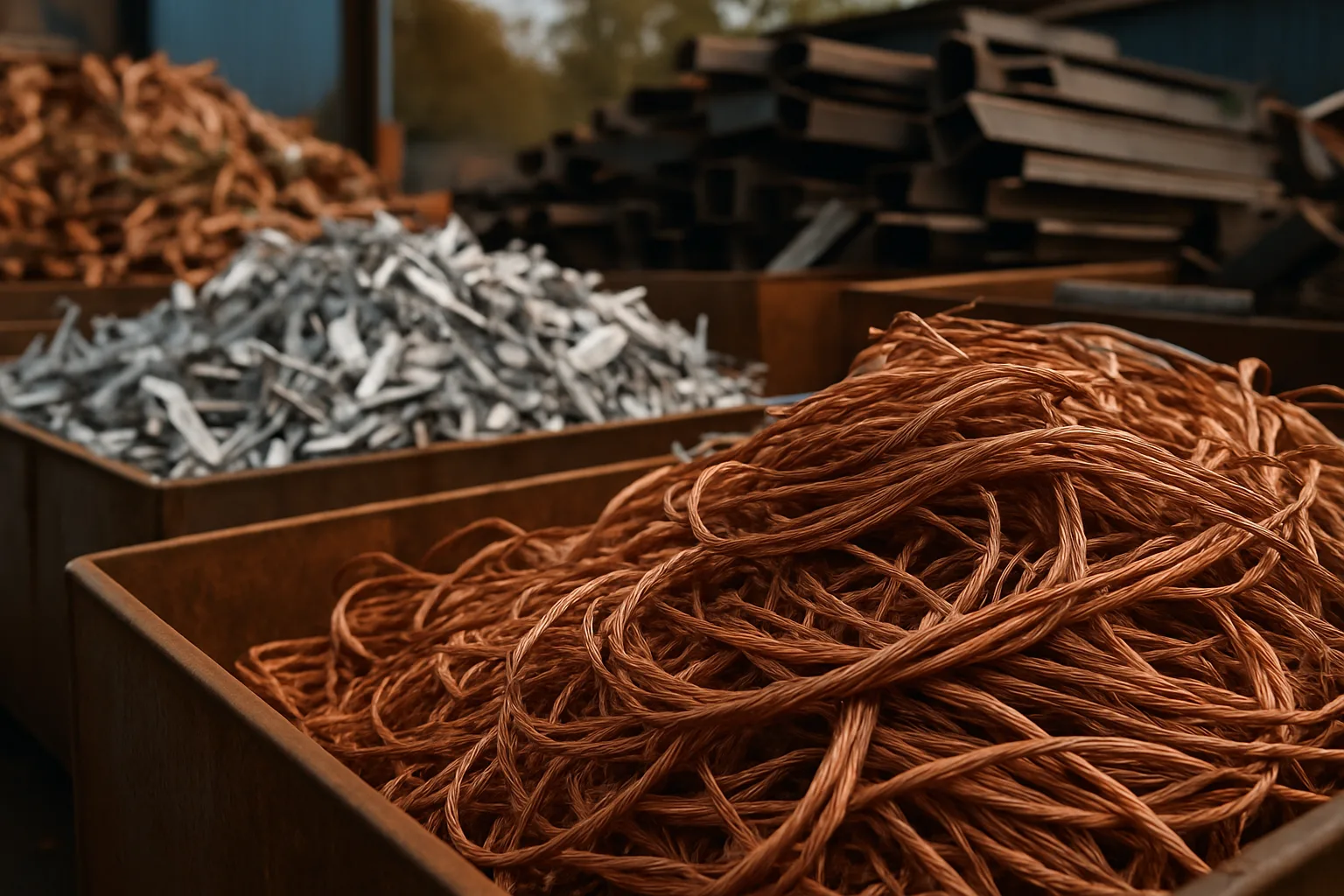
Scrap metal isn't priced as one commodity. It's priced by grade, which reflects purity, form, and market demand. Copper is a perfect example. A yard might quote you three different prices for what looks like "copper" to you:
- #1 Bare Bright Copper — clean, uncoated, unalloyed wire, stripped and shiny. Top dollar.
- #1 Copper — clean pipe, bus bar, solids with no solder or paint. High value, but below bare bright.
- #2 Copper — copper with solder joints, light oxidation, small fittings still attached. Solid value but docked from #1.
- Insulated wire — graded by percentage of copper inside the insulation. Yield tables determine the price, and those vary by yard.
The same logic applies across non-ferrous metals — aluminum, brass, stainless, lead — and even ferrous categories like shredder steel, #1 heavy melt, and cast iron. A load that arrives mixed gets sorted by the yard's graders, not yours. If you pre-sort at home and show up with clearly separated loads, you take that sorting power back.
Yards near St. Louis are no different. The grading call happens fast — usually on the spot by an experienced buyer — and it's not always open for negotiation. That's not a complaint, it's just the reality of the business. The best defense is showing up informed and with a clean, sorted load.
How Market Prices Get Set — And Why "Best Scrap Yard Prices Near Me Today" Is a Moving Target
Scrap metal prices aren't set by your local yard. They're driven by commodity markets, export demand, mill buying activity, and global conditions that shift daily. Your yard is watching the same numbers you can look up — and they're also managing their own margin, their freight costs, and their buyer relationships.
When you search for best scrap yard prices near me today, what you're actually looking for is a price that reflects the live market, not last week's board. Most established yards update their posted prices daily, sometimes mid-day if markets move hard. Prices can swing meaningfully in either direction within a single week.
This is exactly where competition between buyers changes your outcome. A single yard quoting you on copper pipe or a load of cats has no market pressure to tighten their margin. When multiple buyers are competing — either in person or through a platform — the price discovery process works the way it's supposed to. That's the model behind the SMASH scrap metal auction marketplace, where sellers list loads and vetted buyers compete, creating transparency that a single phone call never can.
Disclaimer: Scrap metal prices fluctuate daily based on market conditions. Always verify current rates directly with yards or platforms before selling.
Catalytic Converters and High-Value Cores: A Different Kind of Pricing
If you're bringing in catalytic converters, the standard per-pound model doesn't apply. Cats are priced by their precious metal content — platinum, palladium, and rhodium — which varies by vehicle make, model, engine, and sometimes even production year. A converter off a domestic V8 prices differently than one off a hybrid import.
Good yards use serial number databases and VIN lookup tools to match cats to vehicle data and price them accordingly. If a yard is quoting you cats by weight without looking at the serial number, that's a red flag. You're likely leaving money on the table. The same principle applies to other cores — starters, alternators, and A/C compressors all carry value that goes beyond raw material weight.
For St. Louis sellers moving higher volumes of cats or mixed cores, it's worth exploring platforms that use serial tracking and photo documentation to give buyers enough information to bid confidently. That documentation works in your favor: better information drives better bids. You can learn more about the full range of St. Louis scrap metal services available through local yards and online platforms.
What Separates a Good Transaction From a Frustrating One
Plenty of sellers walk away from a yard feeling shortchanged — not because anyone did anything dishonest, but because the process wasn't clear going in. There are a few habits that consistently separate sellers who leave satisfied from those who don't.
- Sort before you arrive. Ferrous stays ferrous. Non-ferrous gets separated by type. Insulated wire stays separate from bare wire. The more sorting you do, the less discretion the yard has in grading down.
- Know your material. If you have #1 copper, know what that means. If you have ballast transformers with PCB risk, know that those require special handling.
- Ask about the grade before they write the ticket. Once the ticket is written, you're committed. Ask the grader to walk you through their call before the scale ticket is finalized.
- Bring your ID. Missouri requires valid identification for scrap purchases. No ID means no sale.
- Photograph your load before drop-off. Especially for high-value non-ferrous. It protects you in any dispute and helps you track what you're moving over time.
The yards that earn repeat business are the ones that explain their grading, post their prices clearly, and treat the transaction like a relationship. If a yard near you feels opaque or rushed, that's useful information too. You have options — including finding a scrap yard near you that meets your standards.
Selling Scrap Online: How the Process Translates to Digital Platforms
The same principles that govern a physical yard transaction apply when you sell scrap metal online. Weight documentation, grade identification, photo evidence, and clear lot descriptions all matter — sometimes more, because buyers are bidding without being able to physically inspect the load.
This is where platforms like SMASH change the dynamic for sellers in Missouri and across North America. Instead of one buyer, one quote, and one take-it-or-leave-it decision, you list your inventory — whether it's a pallet of bare bright, a bin of mixed aluminum, or a truckload of prepared steel — and vetted buyers compete. No subscription fees. No cold calls. The auction format does the price discovery work for you.
For metal recycling Missouri sellers who move consistent volume, that shift from reactive to competitive selling is significant. You're not guessing what the market will bear. The market tells you directly. And with features like photo documentation, serial tracking for cats, and auto-invoicing built into the platform, the administrative side of selling gets handled too.
If you're a scrap metal buyer near me St. Louis search that regularly turns into a single phone call and a verbal quote, it might be time to see what a competitive bid environment looks like. To locate the closest scrap yard or explore your online selling options, the information is out there — you just have to use it.
Want to go deeper on process, pricing, and how to get more from every load? Read scrap yard guides and tips that cover everything from ferrous grades to how to prep a load for maximum return.
---Frequently Asked Questions
Q: How do scrap yards weigh metal, and can I verify the weight myself?
Yards use certified drive-on scales that are typically inspected and calibrated by state weights and measures authorities. In Missouri, these scales must meet state certification standards. If you want to verify, you can ask the yard for your gross and tare weights separately — any reputable yard will show you both on your scale ticket.
Q: Why did I get paid less per pound than the price posted on the board?
The posted price usually reflects the top grade for that metal category. If your material was graded lower — due to solder, paint, insulation, or contamination — the lower grade carries a lower price. Always ask the grader which grade they're applying and why before the ticket is written.
Q: Is metal recycling near me in St. Louis available for small loads?
Yes. Most scrap yards in and around St. Louis accept loads of any size, from a single appliance to a full truckload. Minimum payout thresholds vary by yard, but for non-ferrous metals especially, even small quantities can generate a meaningful payout. Call ahead to confirm the yard accepts your material type before making the trip.
Q: What ID do I need to sell scrap metal in Missouri?
Missouri law requires scrap yards to collect a valid government-issued photo ID from sellers. You'll also typically need to provide a vehicle license plate number. Some yards photograph loads as part of the intake process. These requirements apply statewide, including all St. Louis area facilities.
Q: Can I sell scrap metal online instead of going to a yard in person?
Yes — platforms like SMASH allow sellers to list loads online and receive competitive bids from vetted buyers without being tied to a single local buyer's quote. It works best for larger or more consistent volumes of material, and it's particularly useful for non-ferrous metals, cats, and specialty loads where price variation between buyers tends to be meaningful.
---The more you understand how yards weigh and grade your material, the better positioned you are to make decisions that actually improve your bottom line. Whether you're dropping a load at a St. Louis yard this week or exploring what competitive bidding looks like through an online platform, knowledge is the advantage that costs you nothing. Start by knowing what you have — then make buyers compete for it. Find the best scrap yard near you and check what's available at scrap-yard-near-me.com.
Follow SMASH on LinkedIn for scrap metal market updates, pricing trends, and industry insights: SMASH on LinkedIn.